Breakthrough in South Korea: Companies Will Be Able to Invest in Cryptocurrencies
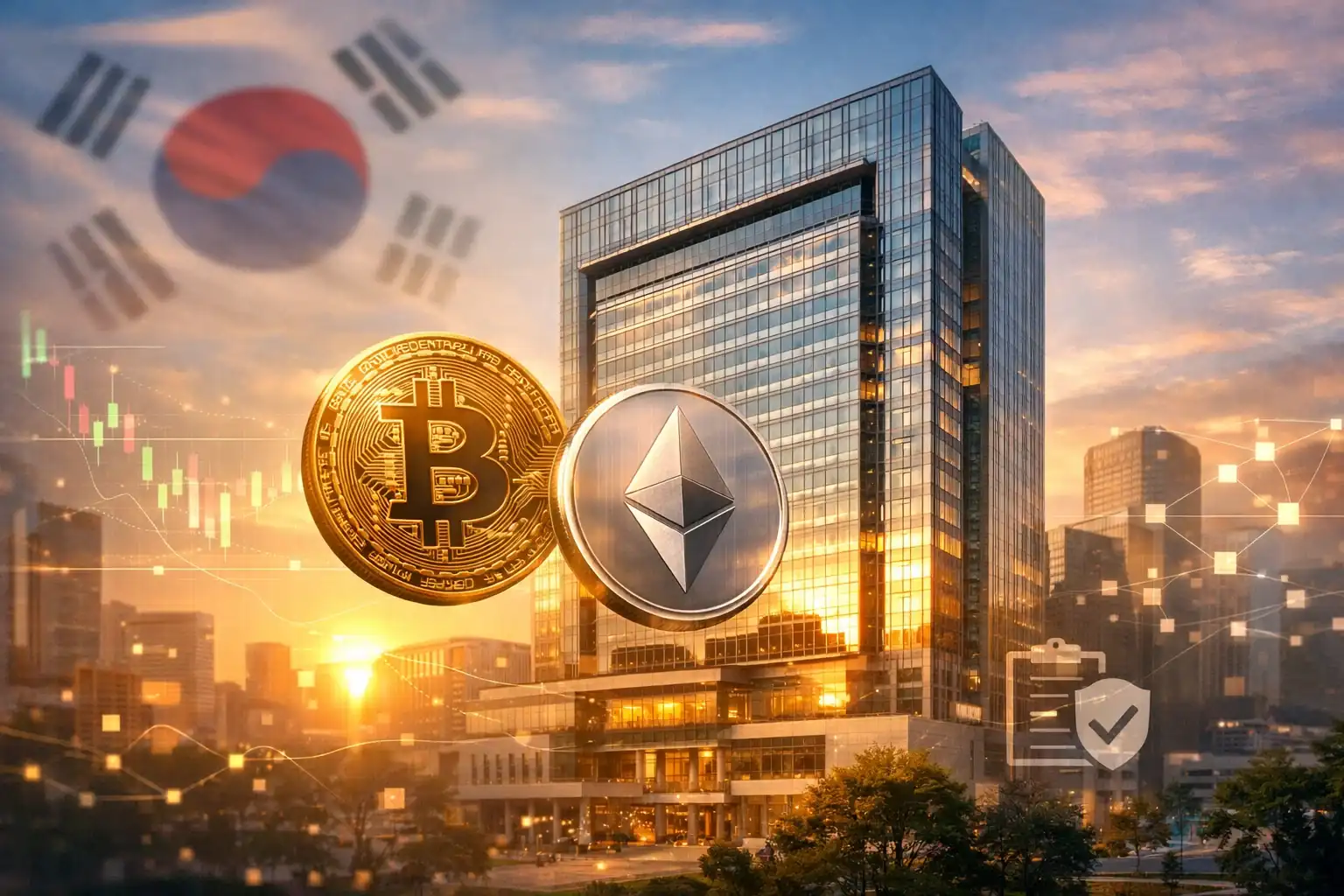
South Korea lifts 2017 ban: listed companies will be able to invest up to 5 per cent of capital in crypto by the end of 2026.
Asia by SpazioCrypto explores the crypto and blockchain ecosystem in China, Japan, South Korea, India, Singapore, and other emerging economies on the continent. It covers technological innovations, government regulations, market trends, local exchanges, and startups, offering a detailed picture of the dynamics that make Asia a central driver of global digital finance.
24 PostsSouth Korea lifts 2017 ban: listed companies will be able to invest up to 5 per cent of capital in crypto by the end of 2026.
Singapore is not in decline: amidst tight crypto, growing luxury and select capital, the city-state is implementing a strategic reset.
Turkmenistan opens up to cryptocurrencies: mining and exchanges become legal from 2026 under the control of the Central Bank.
Wall Street's Santa Rally becomes a key indicator for Chinese crypto analysts, amid macro risks, liquidity lows and new regulatory tightening.
HashKey opens IPO subscriptions in Hong Kong, seeking $215 million ahead of its 17 December stock market debut.
In Japan, the main obstacle to the growth of the crypto market is not volatility, but taxes and tax complexity that discourage investors.
South Korea introduces strict liability for exchanges after the $28 million hack on Upbit: damages without proof of negligence.
Robinhood enters the Indonesian market with two strategic acquisitions in brokerage and crypto, targeting 36 million potential investors.

Get the latest news, learn from experts, discover new tools, and find inspiration right in your inbox.
No spam. Unsubscribe anytime.
Documentary on Bitcoin, blockchain and global geopolitics.