EU Bans Russian Crypto and Digital Ruble from May 24
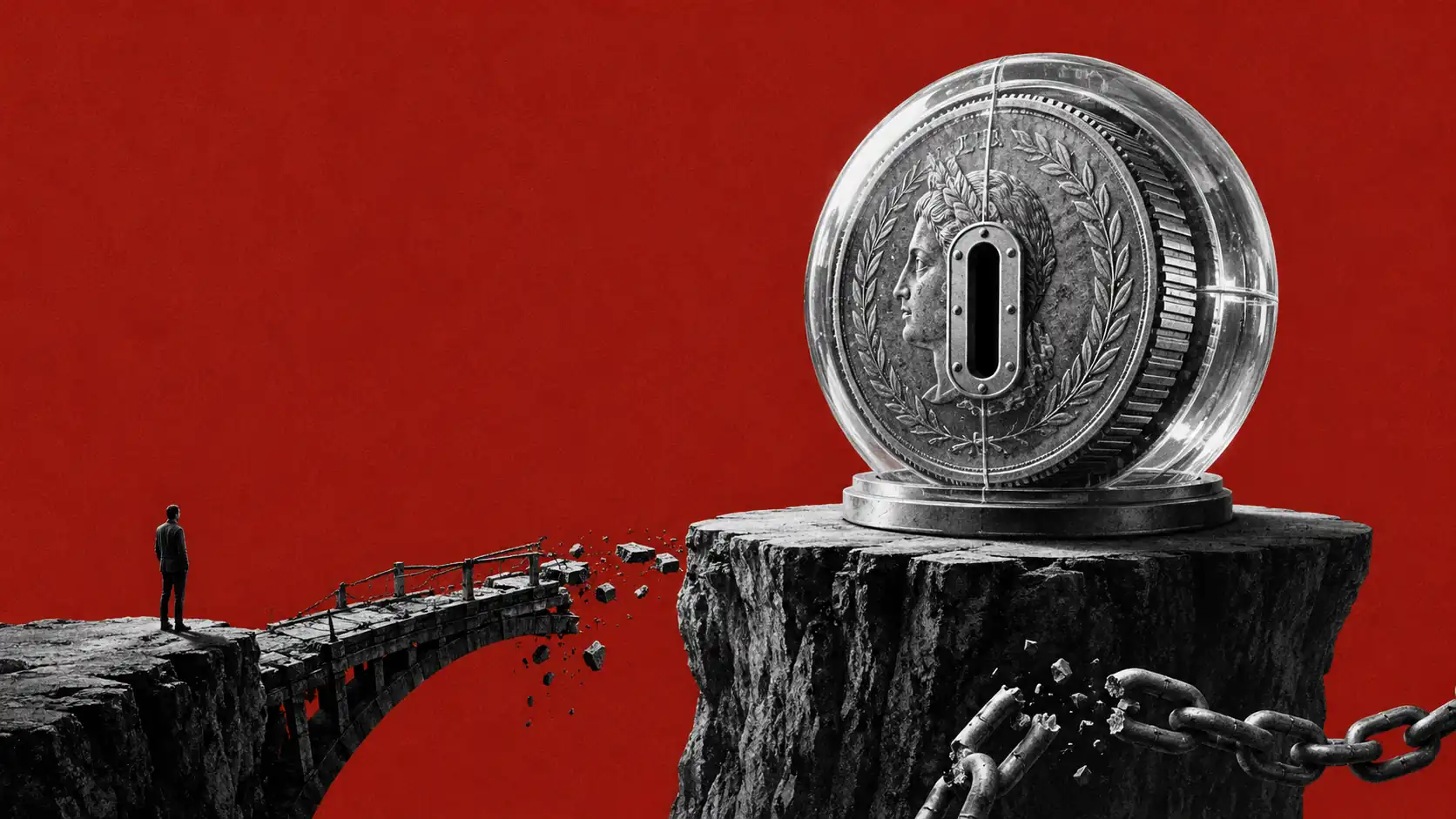
The EU's 20th sanctions package bans Russian crypto platforms, RUBx stablecoin, and the digital ruble from May 24, 2026. Here's what it means for EU residents.
Russia plays a complex role in the cryptocurrency and Web3 sector. Although the government has adopted an ambiguous stance on crypto regulation, the country is home to one of the most active blockchain developer communities. Moscow and other Russian cities are innovation centres for blockchain, with companies working on smart contracts, DeFi and digital payment solutions.
20 PostsThe EU's 20th sanctions package bans Russian crypto platforms, RUBx stablecoin, and the digital ruble from May 24, 2026. Here's what it means for EU residents.
Sberbank, Russia's largest bank with 110 million customers, says it is technically ready for crypto trading — pending legislation expected by July 2026.
Grinex, the sanctioned successor to Garantex, lost $13–15M in a cyberattack on April 16, 2026. Russia blames Western intelligence — but on-chain data tells a di
Russia intensifies crypto media blocking via Deep Packet Inspection (DPI). An investigation by Outset PR reveals selective censorship imposed by ISPs under the control of Roskomnadzor.
The Russian exchange Garantex is back in operation despite sanctions and seizures, moving millions through mixing, cross-chain and state stablecoin.
Elliptic's 26 September report reveals how sanctioned Russian entities, through a wallet network run by fugitive Ilan Shor, moved more than $8 billion in digital assets, circumventing Western restrictions and relying on stablecoins such as USDT.
Ukraine passes a law to legalise and tax cryptocurrencies, introducing clear rules on the digital market.
The United States sanctioned the ruble-anchored stablecoin A7A5. Since OFAC's announcement, the token has lost 13% of its value.

Get the latest news, learn from experts, discover new tools, and find inspiration right in your inbox.
No spam. Unsubscribe anytime.