
The economics of bitcoin mining improved in the first half of November, JPMorgan calculated.
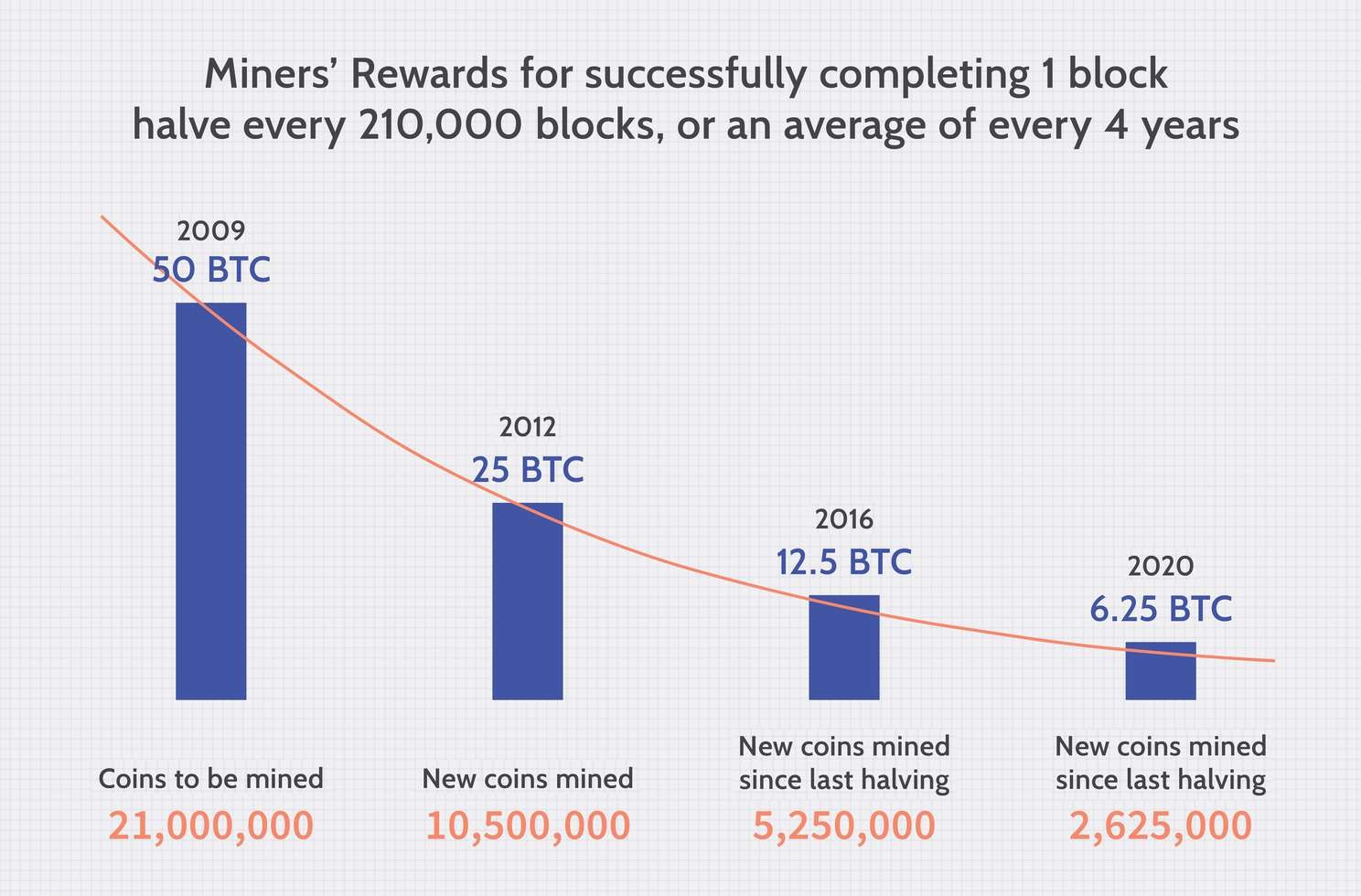
The economics of bitcoin mining improved in the first half of November, calculated JPMorgan. The reason for this was the growth in mining profitability due to the increase in the rate of the first cryptocurrency, CoinDesk writes, citing the investment bank's experts.
They drew attention to the fact that the Bitcoin Hashprice index, an indicator of mining profitability, has increased by 29% since the end of October. This is because BTC exchange rate growth has outpaced hash rate growth in the bitcoin network, and transaction fees have increased as a percentage of the reward per block, explained analysts Reginald Smith and Charles Pierce.
The Miners Are Evolving: Trends in the Cryptocurrency Mining Market
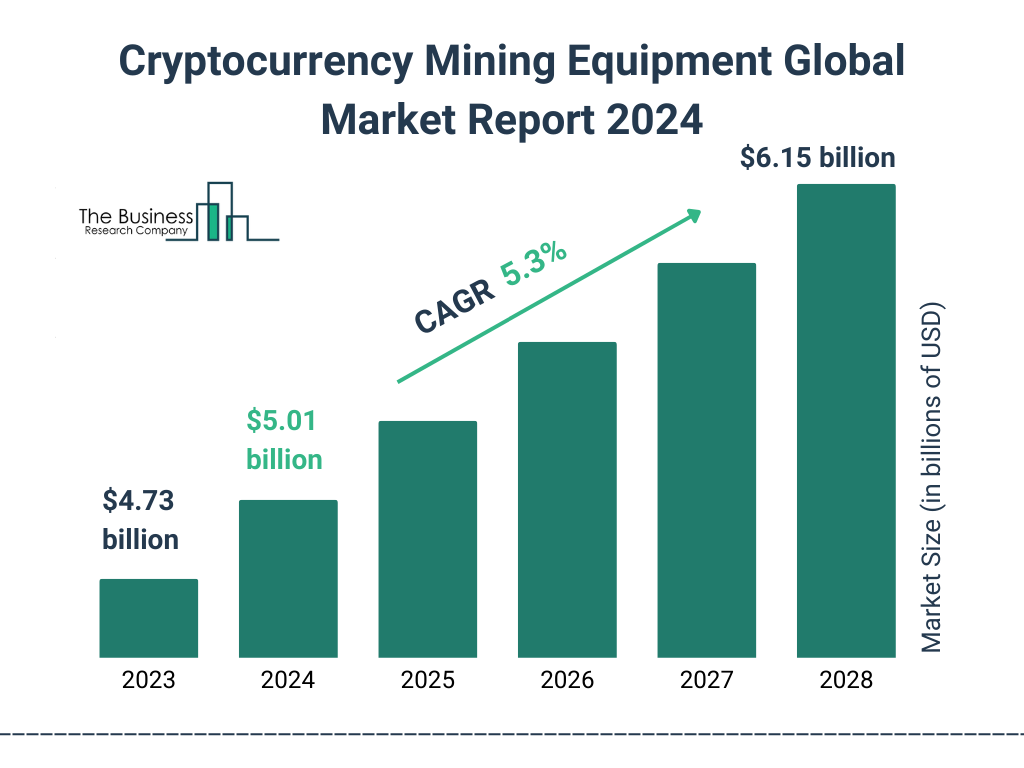
The cryptocurrency mining market is undergoing a significant evolution as miners adapt to new challenges and opportunities. As the difficulty in mining popular cryptocurrencies such as the Bitcoin increases, the industry has seen a shift towards more efficient technologies and innovative strategies to remain profitable.
Miners are leveraging cutting-edge hardware such as application-specific integrated circuits (ASICs) to optimise efficiency and reduce power consumption. In addition, the adoption of immersion cooling and other advanced cooling methods is helping miners maintain high performance while reducing operating costs.
On 19 November, the Hashprice index was around $58.79. This means that a miner can earn this amount in a day with an equipment capacity of 1 PH/s.
From 31 October to 15 November, the total market capitalisation of the shares of public mining companies, the price of which is monitored by JPMorgan, increased by 33%, or around $8 billion, experts say. In their view, this is due not only to the growth of BTC, but also to general optimism about cryptocurrencies after the US presidential election on 5 November.

The difficulty of mining is also at an all-time high. On 18 November, it reached 102.29T.Bitcoin mining has become more complex with the entry of new participants.
As bitcoin mining becomes increasingly competitive, miners are diversifying their operations to include alternative coins such as Ethereum Classic, Litecoin and new Proof-of-Stake hybrid currencies. This diversification helps spread risks and capitalise on emerging opportunities in the cryptocurrency sector.
Meanwhile, cryptocurrency mining has been integrated into the legal framework as of 1 November. As of 1 December, authorities plan to restrict mining in certain regions to prevent overloading of power grids.

Frequently asked questions
What happened to the Bitcoin mining market in November 2024?
According to JPMorgan, Bitcoin mining economics improved in the first half of November 2024: the Hashprice index rose 29% from the end of October, driven by Bitcoin's rally above $93,400 after Donald Trump's election victory.
What was the Hashprice index and how much was it worth at the time?
Hashprice measures mining profitability: it indicates how much a miner with 1 PH/s of computing power can earn in a day. On November 19, 2024 it hovered around $58.79.
Why did mining company stocks rise in those weeks?
Between October 31 and November 15, 2024, the market capitalization of the listed mining companies tracked by JPMorgan grew 33%, about $8 billion, thanks to BTC's rise and general optimism about cryptocurrencies after the US presidential election of November 5.
How high were the Bitcoin network's hashrate and difficulty at the time?
The average hashrate rose to about 718 EH/s (+2% from October), while mining difficulty hit an all-time high of 102.29T on November 18, 2024; the 14 US mining companies tracked by JPMorgan accounted for about 28% of global hashrate.