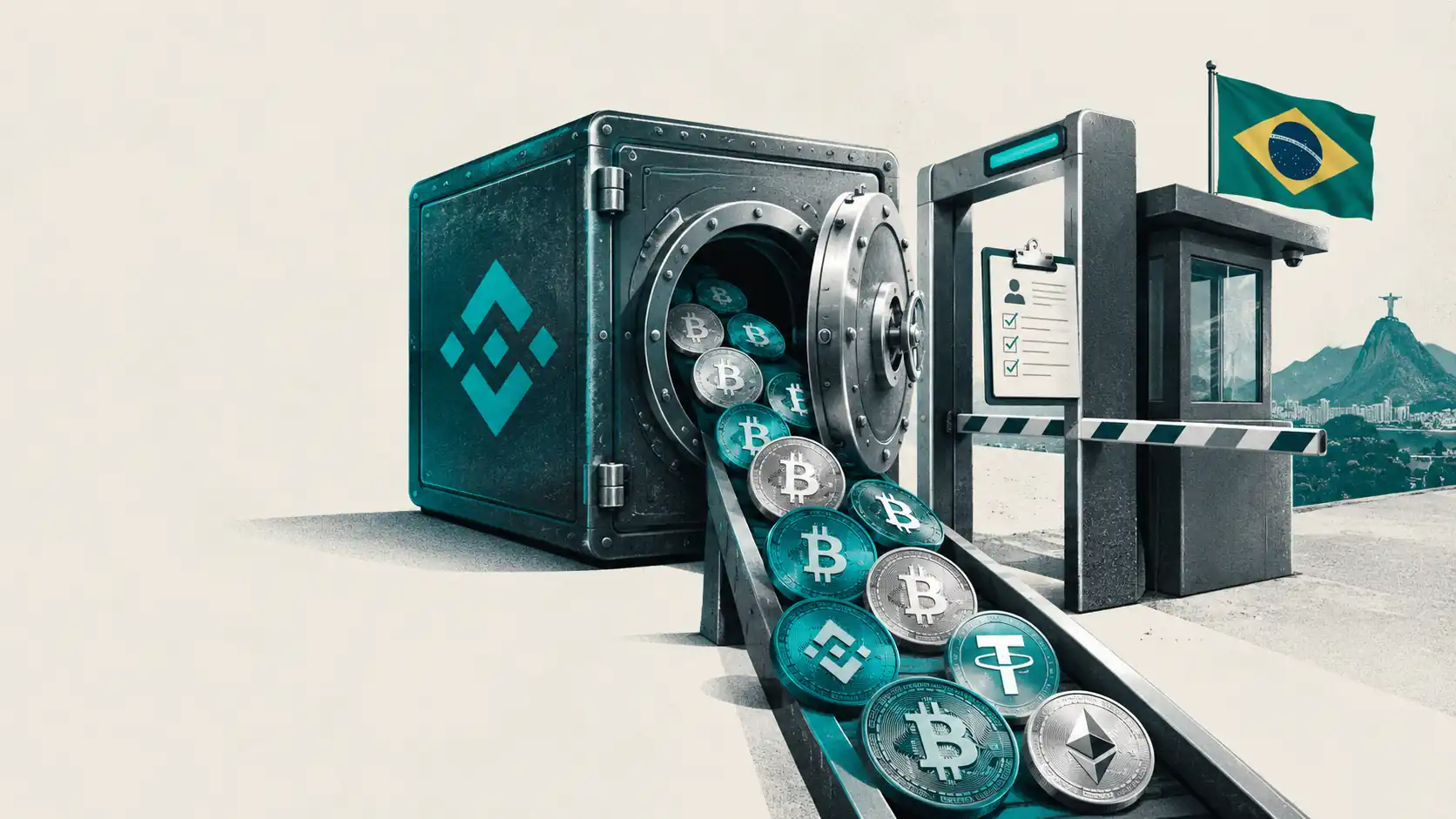


On June 24, Binance, the world's largest cryptocurrency exchange, withdrew its European license application in Greece, just days before the MiCA deadline of July 1. The move puts Binance at risk of losing access to the entire EU market, while smaller rivals have already cleared the regulatory hurdle.
What Happened With the Greece Application
Binance filed its application in Greece back in January, betting on a regulator that had not yet issued any MiCA licenses and appeared likely to move faster. The gamble did not pay off.
After reports emerged of an imminent rejection, Binance withdrew the application. The exchange says it will now seek authorization in another EU member state. According to reporting by Reuters and The Block, regulators in Greece, Ireland, and Latvia had raised concerns over past anti-money-laundering sanctions, the company's corporate structure, and a risk culture they considered too permissive.
Binance insists that user funds are safe and accessible, and that the company will contact affected users directly. The exchange says it remains confident it can secure a license within the coming months.
Why July 1 Is a Hard Cutoff
July 1, 2026 marks the end of the MiCA transitional period. From that date, any exchange without a valid license cannot legally serve retail clients anywhere in the European Union. Full stop.
The mechanism is built around what regulators call the passport system: a single license granted by any one EU member state is valid across all 27 EU countries and the 30 states of the European Economic Area. Win it once, and you operate everywhere. Lose it, or never get it, and every door shuts simultaneously. France's financial regulator has already stated that operating without a MiCA license after the deadline could constitute a criminal offense.
Few Firms Have Cleared the MiCA Bar
Share of crypto firms licensed, out of more than 1,200 previously registered. Source: ESMA, 2026
The numbers tell a story of brutal selection. According to ESMA's 2026 data, of more than 1,200 firms previously registered across EU member states, only around 200 have obtained full MiCA authorization, and barely fifteen hold a license to operate a full trading platform.
The major names that made the cut include Kraken, Coinbase, Bitvavo, OKX, Crypto.com, Revolut, and Ripple. Binance is the only major exchange still on the outside. As one senior compliance officer put it in an industry panel, scale doesn't buy shortcuts when it comes to a regulatory license.
What Changes for European Users
Functionally, here's the practical side. ESMA has set clear rules for exchanges operating without a license after July 1: no new customers, no marketing activity, and services reduced to the minimum needed for existing users to sell positions, transfer assets, or close their accounts.
If you use Binance from the UK or elsewhere in Europe, your funds remain accessible for now. Some services may be restricted until Binance secures a new license in another member state. The single most important precaution: follow only official Binance communications and be alert to scams that exploit the confusion around the deadline.

One option flagged by regulators themselves is to transfer assets to a fully licensed platform or into self-custody. This is a good moment to revisit how to store crypto safely and weigh the trade-offs between exchange accounts and hardware wallets.
The bigger picture is this: MiCA is reshaping the European market into something smaller, more regulated, and more institutional, where even the world's largest exchange isn't above the rules. The contrast with the United States is striking. Washington is simultaneously loosening its grip, with the CLARITY Act moving through the Senate and the SEC signaling a more permissive stance on token classification. For users, the practical takeaway is clear: which exchange you use matters just as much as where that exchange is licensed to operate. Official details are available on the ESMA website and through the European Commission.