

Adoption is accelerating while financial literacy remains a serious challenge.
The number of Italian users actively engaging with cryptocurrencies is rising rapidly — but their understanding of the risks associated with digital asset investing doesn't appear to be growing at the same pace. That's the key finding from recent market analyses showing a sharp increase in crypto adoption across Italy, coupled with persistently low levels of financial awareness among new entrants.
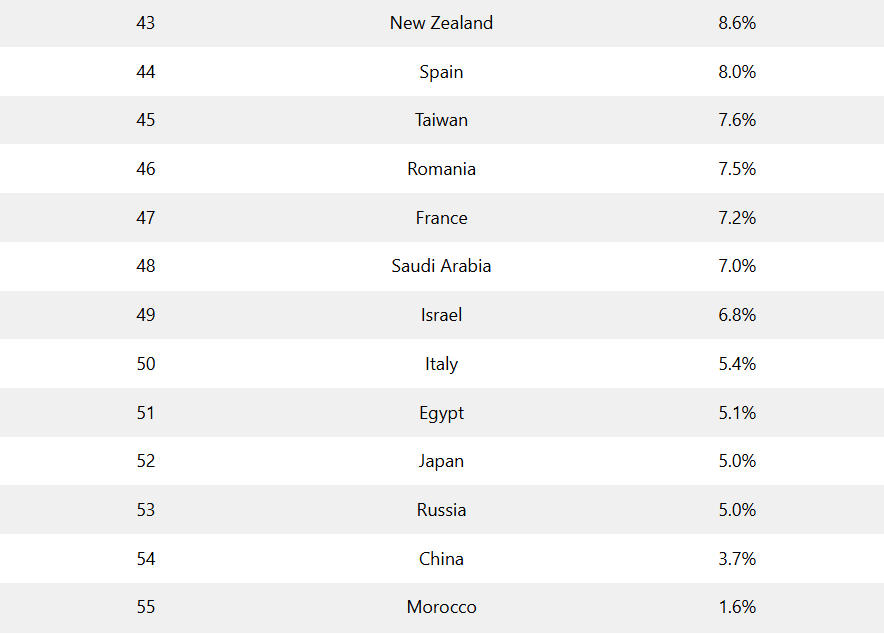
This gap between crypto diffusion and actual understanding of how it works is one of the central challenges facing Italy's digital asset ecosystem — particularly as more and more retail investors enter the space for the first time. For a European audience, this is also a broader warning sign: as MiCA brings more legitimacy to the crypto sector across the EU, a wave of underprepared retail participants could undermine the framework's consumer protection goals.
Crypto Adoption Continues to Climb
Over recent months, the number of active Italian crypto users has grown significantly. Exchanges, trading platforms, and investment apps are all recording a consistent uptick in new accounts — a sign that interest in digital assets remains strong despite ongoing market volatility.
Several factors are driving this growth:
- Lower barriers to entry on trading platforms
- The spread of user-friendly investment apps
- Growing mainstream media attention on Bitcoin and other cryptocurrencies
- Integration of crypto into fintech services and digital payments
This is bringing increasing numbers of Italian users into contact with blockchain-based financial instruments for the very first time.
Risk Awareness Remains Limited
Despite rising adoption, many investors still lack a thorough understanding of the risks that come with crypto. Price volatility, platform security, and private key management are just a few of the areas that demand specific knowledge. According to multiple industry analyses, a significant share of users enter the crypto market with a limited grasp of how it actually works — which can lead to impulsive investment decisions or a systematic underestimation of risk.
The most frequently cited gaps include:
- Poor understanding of market volatility
- Limited knowledge of digital security best practices
- Difficulty distinguishing between credible projects and purely speculative ones
- A tendency to follow market trends without any clear strategy
These patterns underline the urgent need to strengthen financial education programs around digital assets — a challenge that regulators and platforms across the EU are increasingly grappling with.
The Role of Platforms and Institutions
The growth of Italy's crypto market is pushing companies and institutions to think more carefully about how to improve user education. Exchanges, fintech companies, and educational organizations are beginning to develop tools to help investors better understand how cryptocurrencies work. It is also worth noting that under MiCA and the EU's broader DAC8 reporting framework — which requires automatic exchange of crypto tax data — the onus on platforms to ensure users understand their obligations is greater than ever.
The most widespread initiatives currently include:
- Educational guides embedded directly in trading platforms
- Training programs designed for first-time investors
- Awareness campaigns on digital asset risks
- Simulation tools to test investment strategies before deploying real capital
These efforts aim to close the gap between access to the technology and the ability to use it responsibly.
A Market Entering a Maturation Phase
The rapid rise in Italian crypto users confirms that digital assets are becoming a permanent fixture of the country's financial landscape. But growth in adoption must be matched by a proportional growth in financial literacy if the sector is to develop sustainably. If Italy — and the broader European market — can close this information gap, the crypto ecosystem could evolve toward a more mature phase where technological innovation and investor awareness advance together. The alternative — a wave of retail losses driven by avoidable ignorance — would hand regulators and critics all the ammunition they need to tighten restrictions.