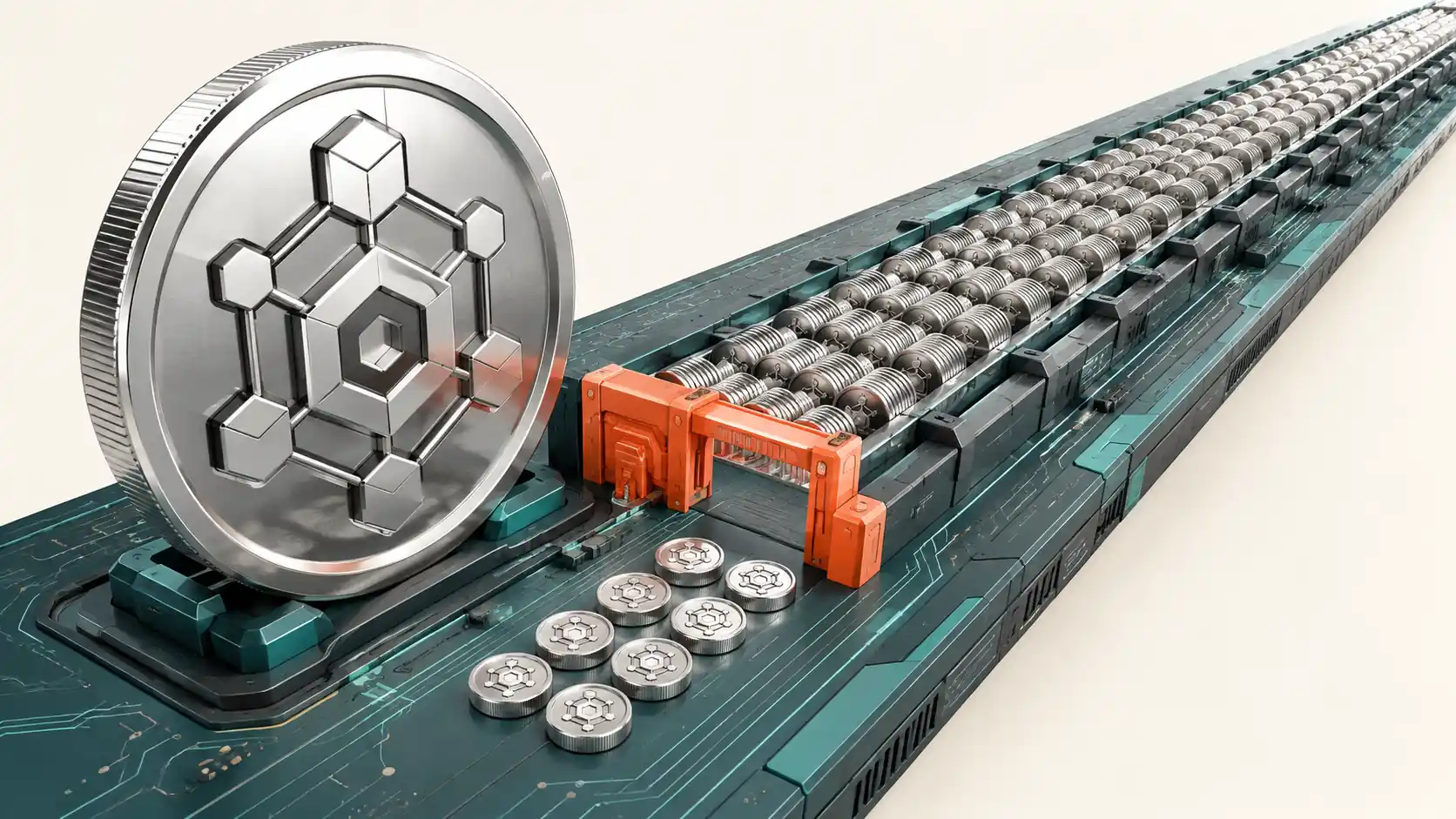


While most of the sector is losing value, the largest lending protocol in DeFi is making the opposite move. Aave has activated a mechanism that uses its own revenue to automatically buy back the AAVE token, removing it from open-market circulation.
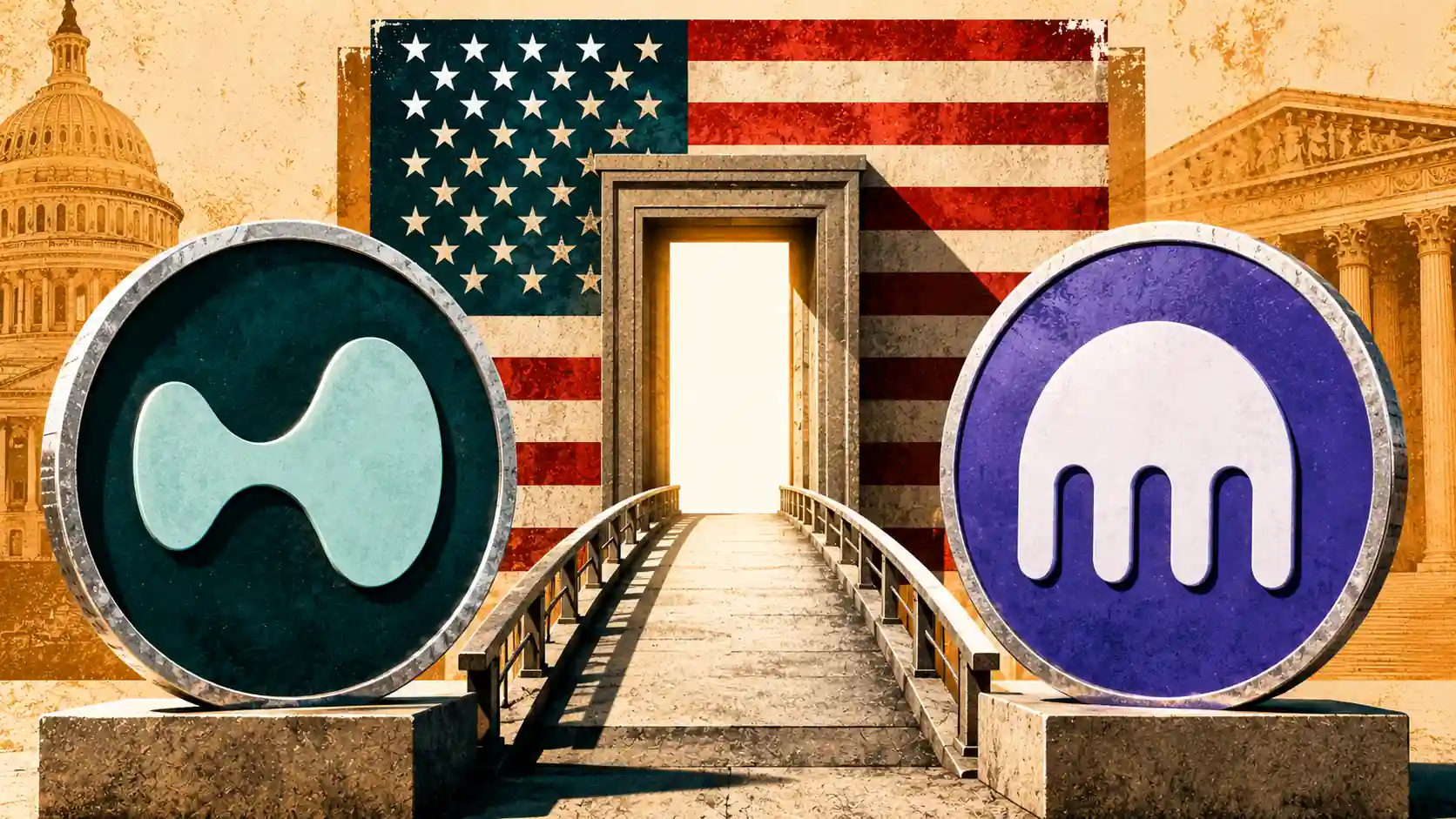
The timing was sharp. The announcement came just hours after CoinDesk reported that the parent company behind Kraken was in talks to acquire roughly 15% of Aave at a valuation that founder Stani Kulechov publicly dismissed as a 70% discount to fair value.
TL;DR: Aave activated Aavenomics 3.0, routing 100% of protocol and GHO stablecoin revenue into automatic AAVE buybacks. The protocol controls around 82% of Ethereum's outstanding debt and close to 60% of the entire DeFi lending market, according to Aave Labs data.
What Aave Actually Activated
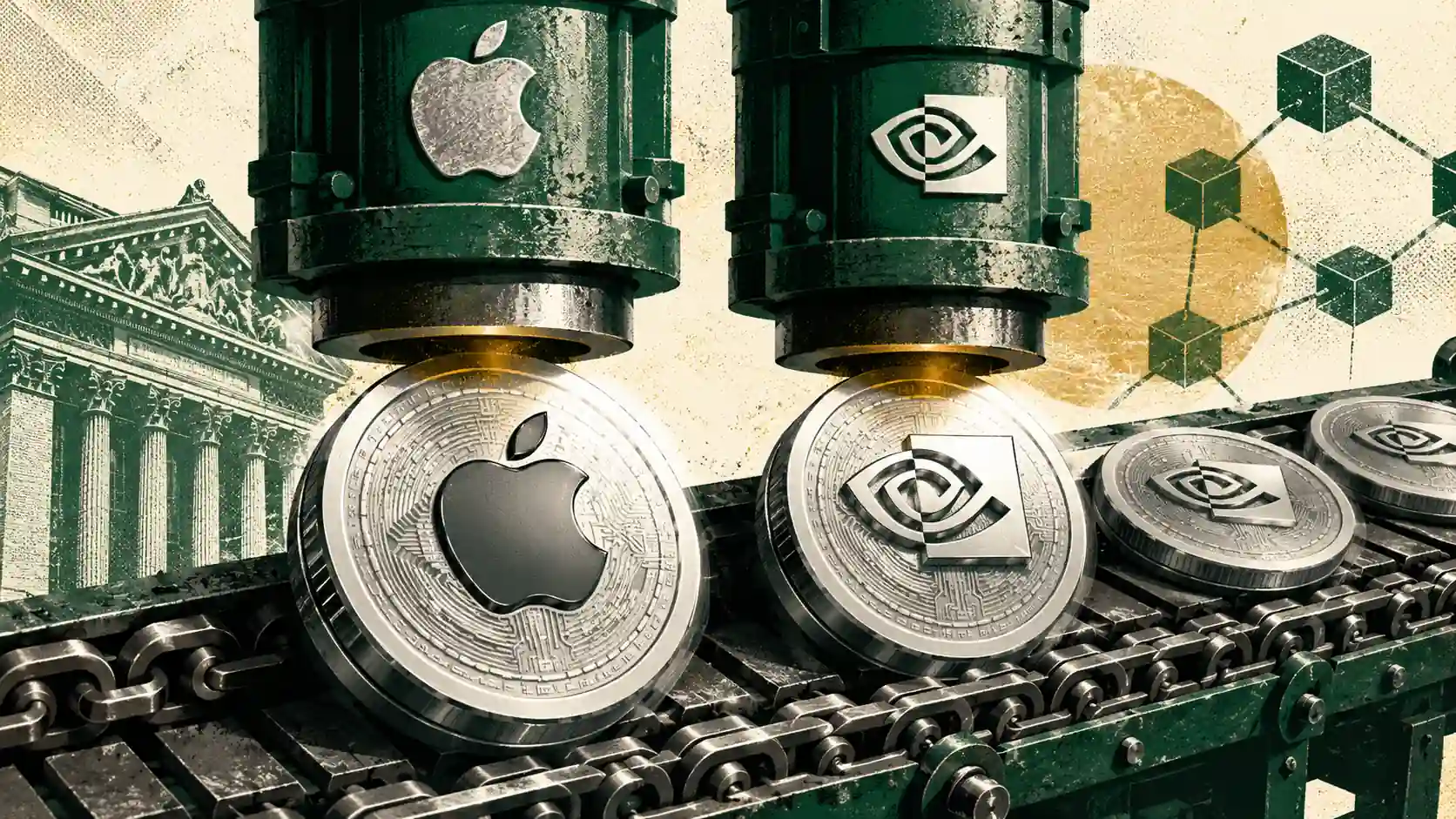
The framework is called Aavenomics 3.0. The principle is both simple and radical: instead of handing buyback decisions to a committee that votes case by case, the mechanism becomes automatic and immutable, routing all protocol revenue and GHO stablecoin proceeds directly to AAVE holders by default.
Aave confirmed the system was live on Saturday. A caveat applies here: full technical details of the mechanism are not due until the next quarterly call. Anyone buying AAVE today is partly pricing in a commitment that is already in writing, but not yet codified to the last clause.
Why Now? The Cash Machine Behind the Move
Functionally, because Aave can actually afford it. This is where the story gets interesting. Aave is not a project minting new tokens to simulate growth. It generates real, measurable cash flow.
According to Aave Labs data, the protocol holds roughly 82% of outstanding debt on Ethereum and close to 60% of the entire decentralized lending market, with over $12 billion in total value locked and cumulative fees exceeding $2.2 billion. A protocol generating those numbers does not need to dilute itself to create value. It can return value directly through the token.
Aave's Weight in DeFi
Aave's share of outstanding debt on Ethereum and of the decentralized lending market. Source: Aave Labs, 2026
The Paradox the Kraken Offer Exposed
Here is where the story gets genuinely clever, even if unintentionally. According to CoinDesk, the company behind Kraken was reportedly in talks to acquire approximately 15% of Aave at a valuation around $385 million. Stani Kulechov rejected the overture, describing it as a 70% discount and using the moment to make a pointed argument about where Aave's revenue actually goes.
That argument is worth unpacking. Under Aave's governance structure, approximately $134 million in annual revenue does not flow to Aave Labs as a company. It flows to the DAO and, through buybacks, to the token itself. Buying equity in Aave means buying something that does not capture that revenue. The value sits in the token. AAVE now behaves like a cash-flow instrument with a hard supply cap of 16 million units.
AAVE Tokens Removed from Market: Cumulative Accumulation
Cumulative AAVE tokens repurchased through the buyback program, against a maximum supply of 16 million. Source: Aave governance forum, 2026
Is This All Upside?
No. A clear-eyed read of the situation demands that caveat. The buyback program is not a frictionless perpetual machine. It was suspended on April 19, right after the $292 million exploit on Kelp DAO, which left hundreds of millions in bad debt sitting on Aave and triggered a significant capital outflow. A portion of those ETH remains frozen in ongoing legal proceedings.
There is more context to consider. In March, governance already cut the annual buyback budget from around $50 million to $30 million, citing a 25% decline in lending fee revenue from its peak. This is the same ecosystem where a co-founder of OpenZeppelin publicly urged users to exit all positions, in a security controversy that remains unresolved. Aave's strength and its vulnerability share the same root: the composability that makes it dominant is the same feature that exposed it to contagion from the Kelp DAO incident.
Lots of discussions around Aave so I want to clarify a few things:
— Stani (@StaniKulechov) June 25, 2026
• First off, there is NO WAY we'd sell AAVE at a 70% discount lol.
• 100% of Aave Protocol and GHO revenue goes to the $AAVE token. This was established in the Aave Will Win proposal.
• AWW also applies to…
What This Actually Signals
In practice, the direction of travel says something significant. A generation of DeFi tokens is moving away from being promises of future growth and toward functioning as claims on real, present cash flow, a thesis SpazioCrypto outlined in the DeFi 2026 investment case. Aave is converting revenue into programmatic buy pressure on its own token, and doing so at the moment when market prices are weakest.
If revenue holds, the fixed cap of 16 million AAVE tokens will start to bite. Every buyback will carry more weight as the circulating supply contracts. If revenue falls, the mechanism slows exactly when it would be needed most. The metric worth tracking is not this week's price bounce, which was inflated by the Kraken story, but one thing only: what the protocol actually earns, quarter after quarter. Everything else is narrative.
This article is for informational purposes only and does not constitute financial or investment advice. Crypto assets carry high risk and you may lose some or all of your invested capital.