
Aster and Brevis announce ZK integration to advance on-chain trading
The decentralised exchange Aster has signed a strategic partnership with zero-knowledge computing platform Brevis, with the aim of combining high-speed execution and selective privacy in its multi-chain trading ecosystem.
The collaboration introduces ZK-based verification tools designed to improve performance, reduce costs and protect sensitive user data without compromising transparency.
ZK proofs bring speed, lower fees, and selective privacy
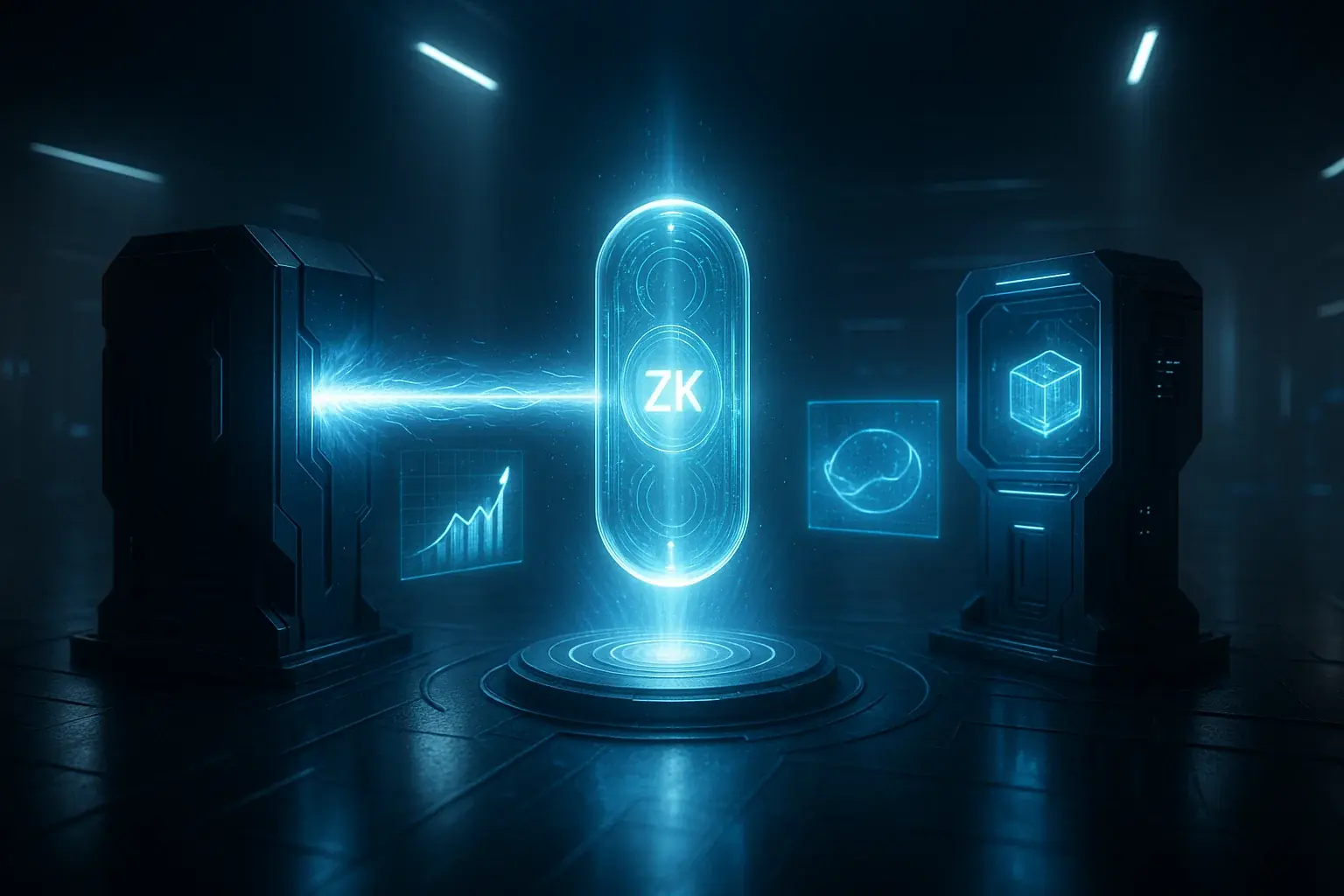
Brevis' architecture allows for intensive off-chain processing, and then transforms it into concise zero-knowledge proofs. These proofs allow Aster's network to validate on-chain results without processing the raw data, significantly reducing gas fees and network congestion. By verifying only the proof rather than the full transaction details, the system is designed to offer near-instantaneous execution with minimal overhead.
Brevis is partnering with @Aster_DEX to bring ZK-powered security and privacy to the next generation of on-chain trading.
- Brevis (@brevis_zk) December 10, 2025
The most advanced verifiable compute infrastructure meets the fastest-growing perpetuals and spot DEX in crypto. 🤝
Here's what we're working towards: pic.twitter.com/mI8xcSYC2T
A key point of the integration is selective privacy. Thanks to Brevis' zkFabric and zkQueryNet layers, traders can verify position size, P&L or margin eligibility without publicly disclosing wallet balances or trade details.
Developers can also create applications that access historical data on multiple chains while preserving user privacy. This approach aims to create a more secure and private trading environment, especially for users using sophisticated strategies that they prefer not to expose to the mempool.


Early internal tests indicate block times of up to 50 milliseconds and a capacity of around 150,000 transactions per second when combined with Brevis tests. While these numbers are not yet tested under mainnet conditions, they indicate the performance potential this architecture could unlock.
Aiming for institutional compliance without sacrificing privacy
In addition to speed, the partnership positions Aster to meet the needs of institutional participants. Attestations zero-knowledge can confirm whether a wallet meets compliance requirements, such as sanctions checks or creditworthiness, without disclosing personal or regulatory documentation. For retail traders, the same framework reduces front-running risks by obscuring order details until settlement.
The integration is in line with Aster's long-term roadmap. Since rebranding from Astherus in 2025, the platform has pursued a unified trading model that includes yield products and perpetual markets. Its next Layer-1 chain, scheduled for Q1 2026, will offer native order books, on-ramp fiat and enhanced liquidity, with Brevis' ZK layer as a key component.
However, the approach is not without challenges. Zero-knowledge systems may experience delays in generating evidence during periods of high volatility, and the complexity of ZK circuits introduces new reliability considerations. Demonstrating stability on a large scale will be essential to attracting institutional-level liquidity.