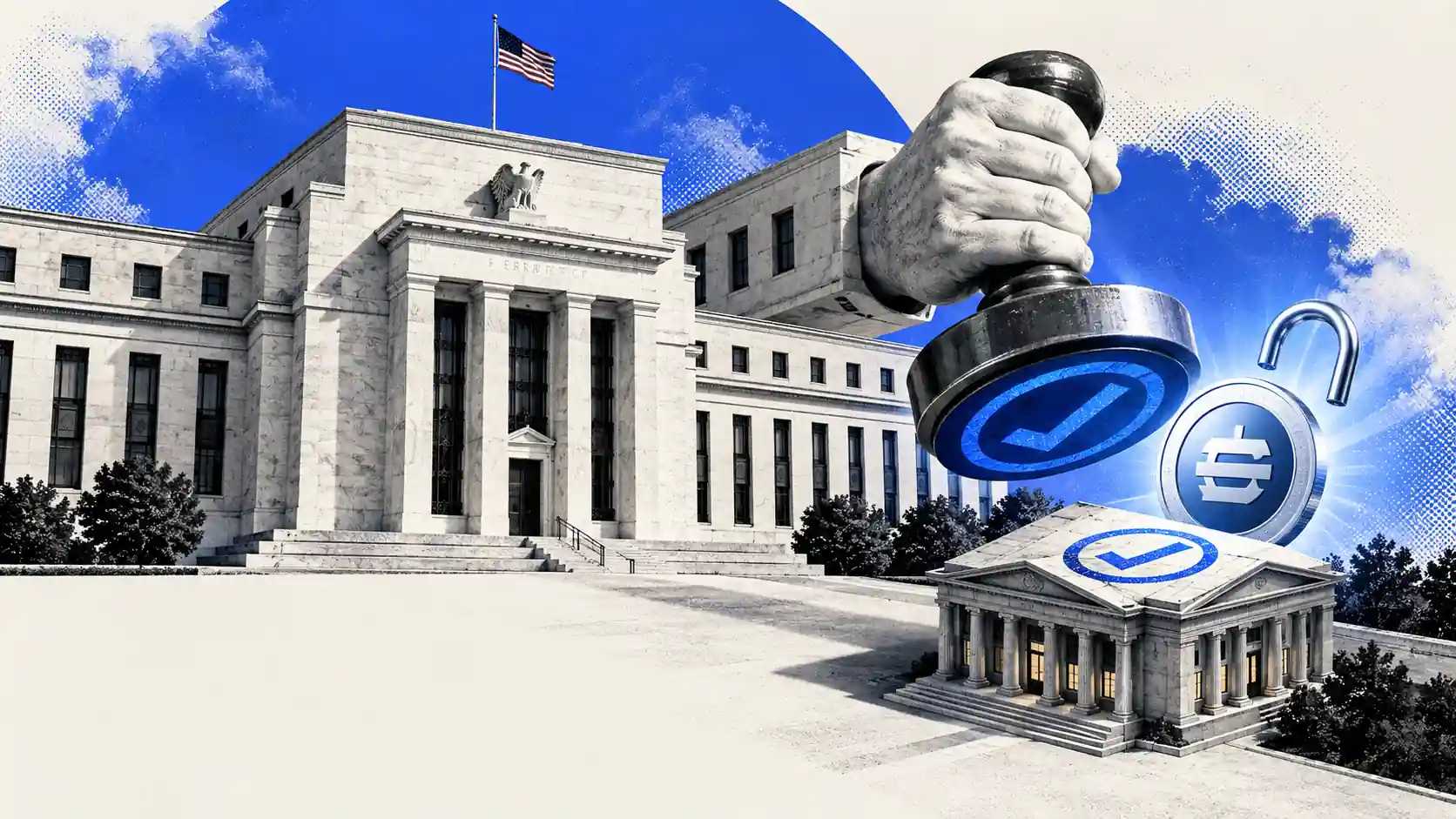


On April 28, 2026, Bits of Gold received regulatory approval for BILS, the first regulated shekel-pegged stablecoin, after two years inside a supervised sandbox on the Solana network. The Bank of Israel still has only a blueprint on paper; the private sector already has a live product.
The move reshapes the priorities between central bank and market in a country that hosts 250,000 regulated crypto users and an exchange that already tokenized its first government bond. The approval came from the Capital Market, Insurance and Savings Authority, and it carries more practical weight than any draft legislation.
What Is BILS and Who Is Behind It
BILS is a stablecoin pegged 1:1 to the Israeli new shekel. Each token corresponds to one shekel held in segregated bank accounts inside Israel, audited by Ernst & Young. The issuer is Bits of Gold, a crypto broker licensed since 2013 with over 250,000 active clients.
Custody is handled by Fireblocks, the infrastructure trusted by Worldpay, BNY Mellon, and Visa, and also used by the Qivalis consortium of 12 European banks building a MiCA-compliant euro stablecoin, including UniCredit and Banca Sella. The genuinely distinctive feature is privacy: BILS integrates Zero Knowledge Proofs developed by QEDIT, the same vendor working with the Tel Aviv Stock Exchange on Project Eden, Israel's first tokenized government bond issued by the Ministry of Finance. Full regulatory compliance combined with operational privacy. That combination has eluded institutional stablecoin projects for years.
Shekel Goes On-Chain as the Dollar Dominates at 99%
Functionally, according to CoinGecko data, the global stablecoin market exceeds $230 billion, with over 99% of that value anchored to the US dollar. USDT and USDC dominate. Yet the shekel gained 20% against the dollar over the past year, according to Visual Capitalist, making it the best-performing currency among countries with a GDP above $250 billion. The timing is deliberate.
Israel is staking its claim in on-chain settlement before dollar-denominated stablecoins become the unchallenged default. Annual global stablecoin volume has reached $46 trillion, according to figures cited in the Bits of Gold press release. Numbers on that scale explain why this decision resonates far beyond Tel Aviv.
How the Sandbox Set the Standard Before the Law
The Capital Market Authority did not approve BILS on the basis of a theoretical model. It watched BILS operate for two years under real-world conditions before signing off. The distinction matters. Legislation is built on anticipated risks; a sandbox is built on measured ones. Israel chose the second path and produced a live regulated stablecoin months ahead of any formal law, including the draft Stablecoin Law now heading toward public consultation.
Other jurisdictions are moving differently. Italy and Germany, with their proposed kill-switch for foreign stablecoins under EBA and MiCA, are pursuing top-down regulatory control. Israel went the opposite direction. One structural tension remains open: BILS settles on the Solana network, outside Israeli jurisdiction. The Capital Market Authority can bind Bits of Gold, but it cannot compel Solana validators to restore service in the event of a network outage. Sovereignty stops at the custody layer.
The clearest confirmation signal will be an announced integration by an Israeli bank or institutional asset manager within six months. That would prove the ZKP architecture holds under genuine compliance requirements. The clearest risk signal would be a Capital Market Authority restriction triggered by a Solana reliability event, or a Bank of Israel political decision to limit private activity ahead of its own digital shekel launch. Bits of Gold has a six-month window to build transaction history and institutional integrations. After that, the central bank will be catching up, not setting the agenda.