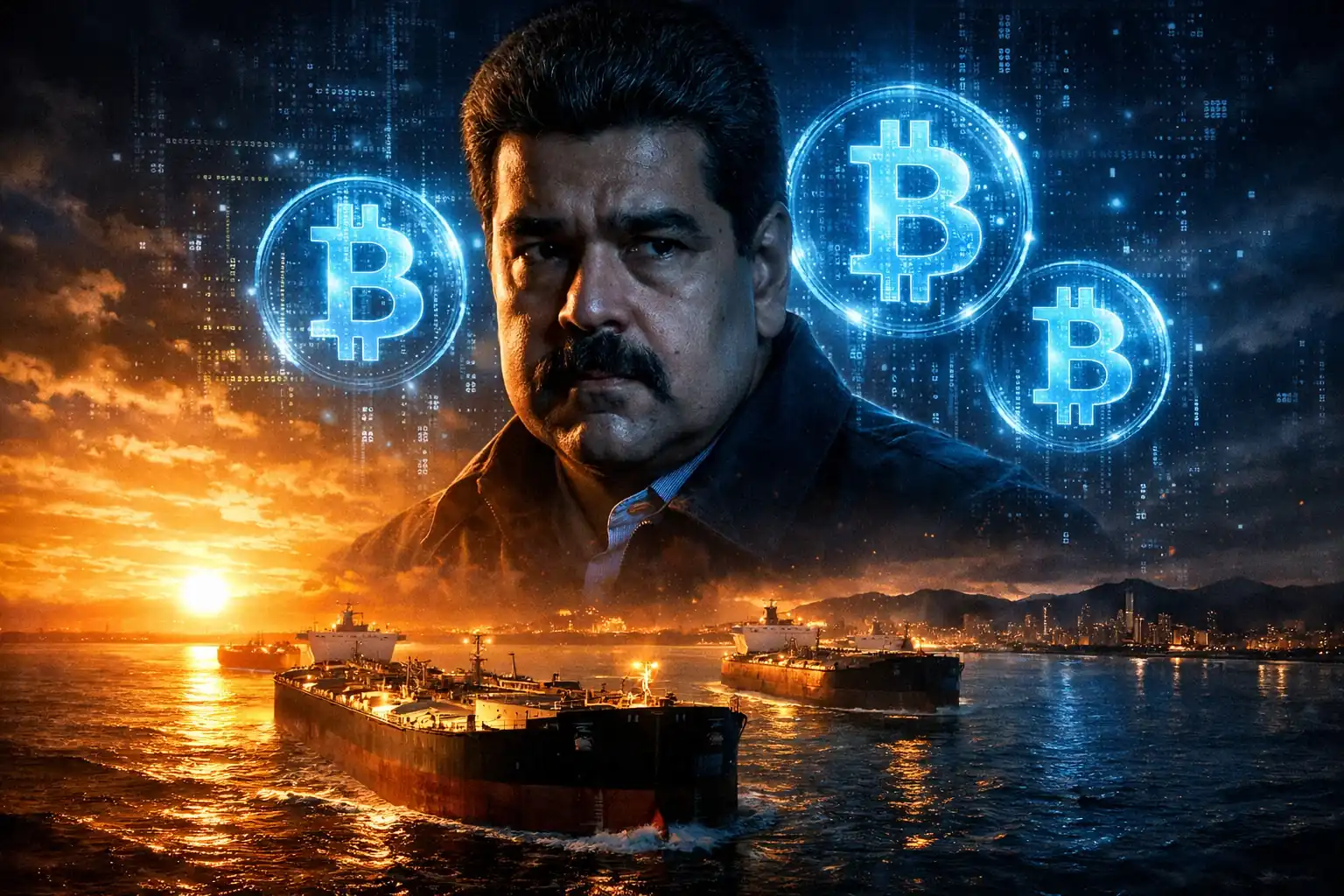

President Donald Trump announced on Tuesday that Venezuela's "provisional authorities" will transfer between 30 and 50 million barrels of oil to the US. The announcement comes just a few days after the sensational military operation that led to the capture of Nicolás Maduro by US forces.
In a post published on Truth Social, Trump clarified that the crude oil will be "sold at market price" and that the proceeds will be "controlled by me, as President of the United States." With a price of around $56 per barrel, the deal could generate a total value close to $2.8 billion.
I am pleased to announce that the Provisional Authorities in Venezuela will deliver between 30 and 50 BILLION barrels of high-quality, sanctioned oil to the United States of America,' Trump said on social media
Washington's interest in the energy sector of the country with the world's largest proven reserves is not fleeting. A meeting in the Oval Office between the President and top executives of oil giants such as Exxon, Chevron and ConocoPhillips is already scheduled for Friday. Meanwhile, Secretary of Energy Chris Wright has been ordered to execute the plan 'immediately', mobilising tankers to US ports.
The rebus of Bitcoin reserves
While ships loaded with crude are preparing to set sail, analysts' attention has shifted to a much more difficult asset to intercept: the alleged Bitcoin reserves accumulated by Maduro's regime to circumvent international sanctions.
Estates on the size of this 'shadow treasure' are conflicting:
- Project Brazen speculates that Venezuela may hold around 60 billion dollars in Bitcoin.
- Bitcointreasuries.net instead reports a much more modest figure: 240 BTC, or about $22 million.
At the moment, none of these figures have been confirmed by definitive on-chain analysis. Neither the digital wallets nor the custodians who allegedly managed these funds are known. However, experts consider it logical that Caracas has sought refuge in cryptocurrencies after its exclusion from global financial markets, recalling also the (failed) attempt in 2018 with the launch of the state token "Petro".
A technical and legal challenge
Unlike Petro, Bitcoin cannot be physically seized. Confiscation requires obtaining private keys or the cooperation of custodians. Given the nature of the regime, it is unlikely that Maduro would have relied on custodial services under US jurisdiction.
The game is therefore extremely high-strung: if the US authorities were able to extract the private keys from Maduro or his close associates, they could confiscate billions instantly. If not, those assets will remain inaccessible forever.
Towards a US Strategic Reserve?
The speculation takes on fundamental political significance when linked to Trump's executive order for the creation of a "Strategic Bitcoin Reserve"at zero cost to taxpayers. The seizure of the Venezuelan funds would offer a theoretical solution to the problem of how to accumulate Bitcoin without burdening the state coffers.
If the reserves existed and were linked to criminal activity that could be prosecuted in US courts, the government could decide not to sell the tokens, but to keep them in its portfolio as reserve assets. For now, as Venezuelan oil makes its way to the US, the fate of Maduro's Bitcoins remains sealed behind unknown cryptographic keys, beyond the reach of any traditional forceful action.