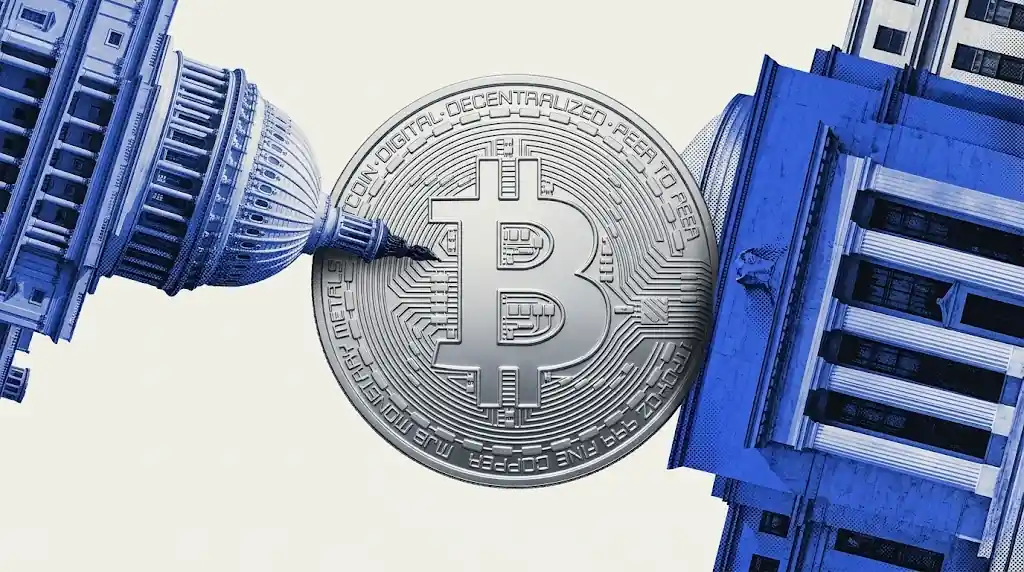
Bitcoin-backed mortgages have arrived in the United States. Better and Coinbase have closed what they describe as the first Fannie Mae-conforming mortgage using Bitcoin as collateral, and the product is set to expand nationwide by summer 2026. A young couple in Ann Arbor, Michigan, bought their first home without selling a single satoshi.
This isn't a pilot buried in fine print. It's a structural shift that brings crypto into the heart of American mortgage finance.
What Happened and Why It Matters
Better, the Nasdaq-listed mortgage platform, partnered with Coinbase to originate what they call the first conforming mortgage backed by Fannie Mae that uses Bitcoin as collateral. The borrowers, a couple from Ann Arbor, Michigan, pledged their Bitcoin holdings to cover the down payment without liquidating their position.
The product currently supports Bitcoin and the stablecoin USDC. Better CEO Vishal Garg, in a statement accompanying the announcement, described the product as building the infrastructure to allow any tokenized asset in America to be pledged to help someone buy a home.
A 2.5x Collateral Buffer
In Better's example, covering a $100,000 down payment requires pledging $250,000 in Bitcoin. Source: Better, 2026
How the Loan Structure Actually Works
The mechanics are more layered than a standard mortgage. The borrower receives a conventional Fannie Mae-conforming loan for the home purchase, paired with a second loan secured by the crypto holdings to cover the down payment. According to Better's published terms, pledging $250,000 in Bitcoin covers a $100,000 down payment, with a second lien placed on the property.
The appeal is clear on two fronts. Borrowers keep their Bitcoin exposure and avoid triggering a taxable sale event under current US capital gains rules. Routine price swings don't generate margin calls or forced liquidations, but the pledged crypto can be liquidated after 60 days of missed payments. Coinbase handles custody, compliance, and the underlying infrastructure.
The FHFA Rule Change That Made This Possible
None of this would exist without a regulatory pivot. In June 2025, FHFA Director Bill Pulte directed Fannie Mae and Freddie Mac to treat crypto holdings as reserve assets without requiring conversion to dollars, overturning a restriction that had been in place since 2022. The directive fits within a broader policy push to position the United States as the center of the global crypto economy.
One constraint carries real weight: only crypto held on a regulated, US-based centralized exchange qualifies. Bitcoin in self-custody, staked assets, and DeFi positions are excluded entirely from the collateral calculation.
The Fine Print Worth Reading
Three tensions sit beneath the headline. The first is a cultural paradox: to use Bitcoin as collateral here, you must keep it on Coinbase, a centralized exchange. That runs directly against the “not your keys, not your coins” principle that underpins Bitcoin's original design philosophy.
The second is systemic. Embedding a volatile collateral class inside the US mortgage market raises serious questions about scale, particularly given the sharp swings recorded in recent months. A broad rollout would place Bitcoin price risk inside a market segment that the federal government already backs implicitly through Fannie Mae's guarantees.
The third tension is one of positioning. This product is built for people who already hold significant crypto wealth. It does not address the affordability crisis in US housing that some of the product's coverage has invoked. The demographic who can pledge $250,000 in Bitcoin for a $100,000 down payment is not the demographic struggling to enter the housing market.
The precedent is real. Crypto has cleared the threshold into one of the pillars of traditional finance, with Fannie Mae's name behind it. The national rollout planned for summer 2026 is the genuine test: volume, default behavior, and how regulators respond if Bitcoin's price drops sharply while the loan is active. Official terms and eligibility criteria remain available on the FHFA website and through Fannie Mae's official portal.
Frequently asked questions
What was the first Fannie Mae crypto-backed mortgage?
In July 2026, Better and Coinbase closed what they described as the first Fannie Mae-conforming mortgage using Bitcoin as collateral: a couple in Ann Arbor, Michigan, bought their first home without selling their coins. The product supported Bitcoin and USDC, with a nationwide rollout planned for summer 2026.
How did the crypto-backed loan structure work?
The borrower received a conventional Fannie Mae-conforming loan paired with a second loan secured by the crypto holdings to cover the down payment. Under Better's published terms, pledging $250,000 in Bitcoin covered a $100,000 down payment (a 2.5x collateral buffer), with a second lien on the property. The pledged crypto could be liquidated after 60 days of missed payments.
What rule change made crypto mortgage collateral possible?
In June 2025, FHFA Director Bill Pulte directed Fannie Mae and Freddie Mac to treat crypto holdings as reserve assets without requiring conversion to dollars, overturning a restriction in place since 2022. Only crypto held on a regulated, US-based centralized exchange qualified: self-custody Bitcoin, staked assets, and DeFi positions were excluded.
Did borrowers have to sell their Bitcoin to qualify?
No. The product's appeal was that borrowers kept their Bitcoin exposure and avoided a taxable sale event under US capital gains rules. Routine price swings did not trigger margin calls, but the collateral had to remain in Coinbase custody, which handled compliance and infrastructure.