

MARA, one of the world's largest Bitcoin miners, has pledged 18,750 BTC as collateral to raise $750 million in debt financing, according to the company's Form 10-Q filed August 6, 2026. The goal is not to buy more Bitcoin. It's to acquire a 2-gigawatt energy campus in Ohio and pivot the entire business toward powering AI data centers. This is one of the boldest capital structure moves any publicly traded crypto company has made.
The move signals something larger than one company's strategy. Bitcoin miners are quietly transforming into diversified infrastructure operators, using their digital treasuries as financial leverage rather than simply holding coins. MARA's bet is either visionary or reckless, and the stock market's initial reaction suggests investors aren't entirely sure which.
TL;DR: MARA pledged 53% of its Bitcoin holdings (18,750 BTC, worth roughly $1.2 billion) as collateral for $750 million in loans from Coinbase Credit and Two Prime Lending. The capital funds the acquisition of the Long Ridge energy site in Ohio, targeting AI computing infrastructure alongside Bitcoin mining.
The Deal: $750 Million Backed by Bitcoin
The financing package, finalized in early August 2026, totals $750 million. According to MARA's Form 10-Q filed August 6, 2026, $600 million represents new debt, while the remaining $150 million refinances an existing facility. Two lenders provided the capital: Coinbase Credit and Two Prime Lending. Both tranches mature in 2028.
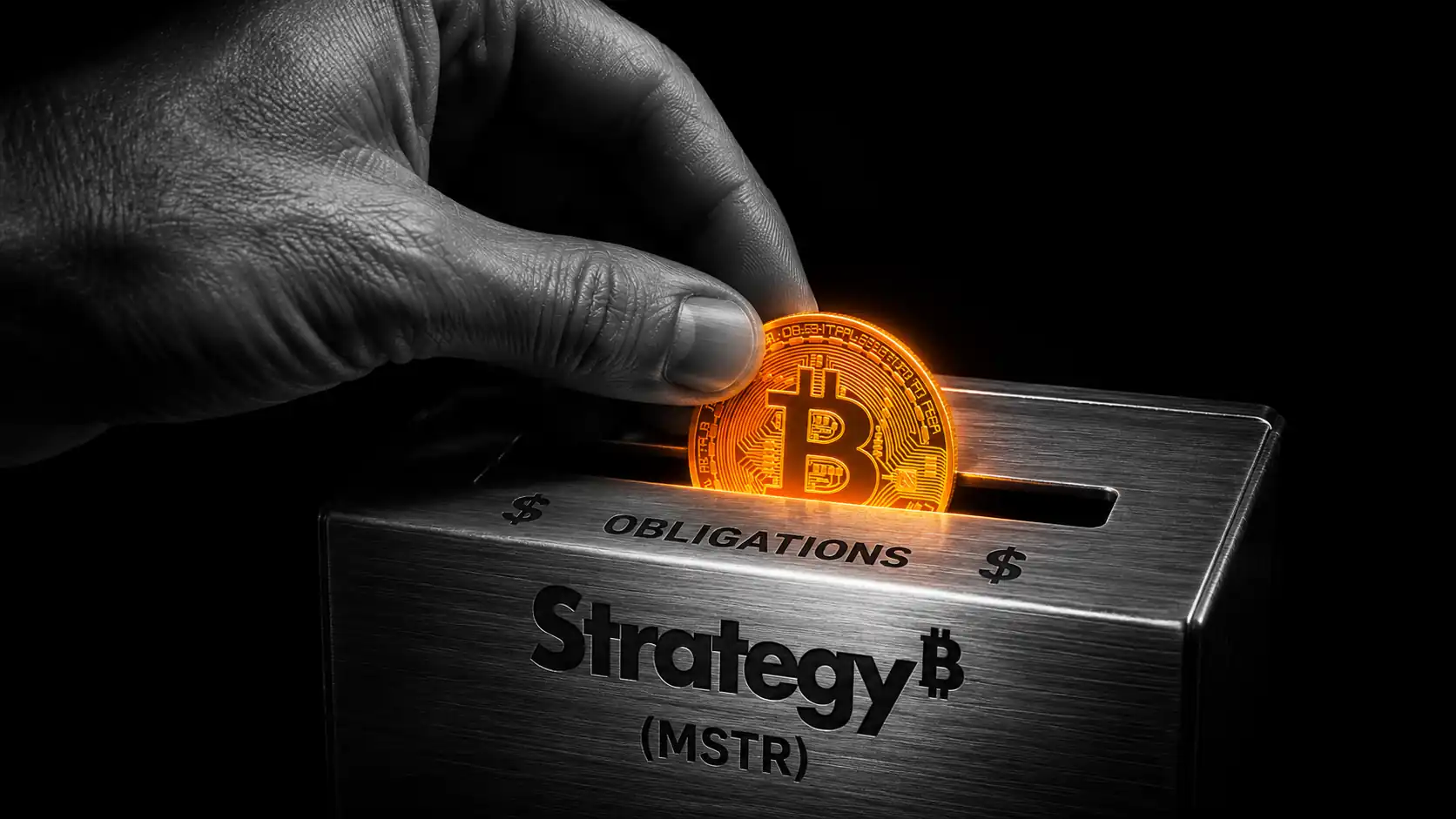
The collateral behind those loans is 18,750 Bitcoin, which at the time of the deal represented approximately $1.2 billion in value, per CoinGecko market data. Against MARA's total reported holdings of 35,577 BTC as of June 30, 2026, that collateral accounts for 52.7% of the company's entire Bitcoin treasury. More than half the vault, locked up.
MARA pledged 18,750 Bitcoin as collateral for $600M in new borrowing. 💸
— CryptosRus (@CryptosR_Us) August 9, 2026
That equals about 53% of its 35,577 $BTC holdings.
The loans were arranged through Coinbase Credit and Two Prime Lending. pic.twitter.com/iVti2eWxQV
Where the Money Goes: Energy and AI Infrastructure
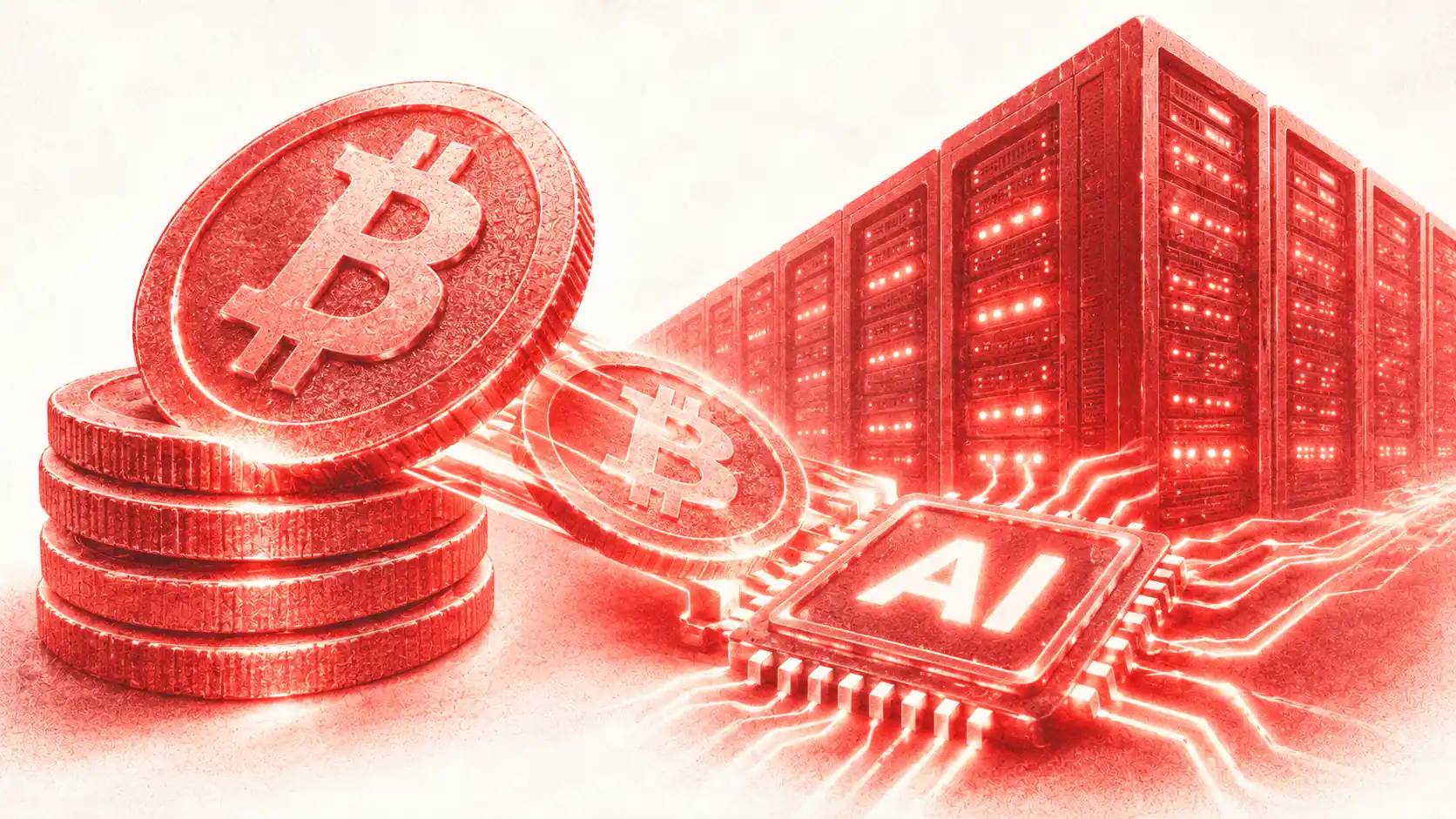
MARA isn't borrowing to accumulate more Bitcoin. The declared target is the Long Ridge site in Ohio, a large-scale energy generation facility. The company's stated ambition is to use that energy capacity not just for Bitcoin mining, but primarily to power high-performance computing (HPC) and AI data centers.
MARA's CEO has publicly described this as building a “digital infrastructure triad”: owning energy generation as the base layer for three business lines, Bitcoin mining, AI compute, and critical IT services. In a period when AI model training and inference consume electricity at industrial scale, controlling power generation is a strategic asset. MARA is attempting to transform from a single-purpose miner into a full-stack infrastructure provider for the AI era, with Bitcoin acting as the financial springboard.
MARA's Bet at a Glance
How a Bitcoin miner becomes an energy and AI giant. Source: MARA, crypto.news, 2026
- The loan: $600 million in new debt ($750M including refinancing), secured by 18,750 BTC (approx. $1.2 billion).
- The purpose: acquire a 2-gigawatt energy site to power both Bitcoin mining and AI compute centers.
- The risk: 53% of reserves are locked as collateral. A sharp Bitcoin price drop triggers margin call risk.
The Risks Are Real
Using Bitcoin as loan collateral introduces a specific and well-understood danger: the margin call. If Bitcoin's price falls below a certain threshold, the collateral loses value and lenders can demand that MARA post additional Bitcoin or cash to maintain the loan-to-value ratio. If the company can't meet that demand, creditors have the right to liquidate the pledged coins.
With more than half its treasury locked up, MARA is now far more exposed to Bitcoin price volatility than at any point in its history. That sensitivity showed immediately: MARA's stock fell nearly 11% in the week following the announcement, per Bloomberg market data, as investors processed the increased leverage. The company's existing financials add another layer of concern. MARA reported a net loss in its most recent quarter and had already sold a significant portion of its mined Bitcoin in prior months to raise operating cash. This is a high-conviction bet made from a position that offers limited margin for error.
The Bigger Picture
MARA's move is a clear marker of how the Bitcoin mining industry is evolving. Miners, once straightforward single-product businesses, are becoming diversified energy and technology conglomerates. The Bitcoin they hold is no longer purely a treasury asset to be custodied or sold. It has become a financial instrument, a form of collateral that unlocks capital for ambitions far beyond the original mining thesis. Other companies have followed similar logic with their Bitcoin treasuries, but the scale and specificity of MARA's pivot toward energy and AI is striking.
The lesson here cuts two ways. On one side, this financialization reflects Bitcoin's growing maturity as an institutional-grade asset, now accepted as serious collateral by major lenders including Coinbase. On the other, it introduces new systemic dependencies: tying the fortunes of energy and technology companies to Bitcoin's volatile price creates chains of exposure that, in a downturn, could produce cascading effects across multiple sectors. The convergence of Bitcoin, energy infrastructure, and artificial intelligence is probably one of the defining industrial trends of the next decade. But it deserves clear eyes. MARA is betting heavily on that future, and whether this turns out to be strategic foresight or overreach, investors should track the Bitcoin price level that would trigger its margin requirements as a key indicator going forward.