

Ethereum trades at less than a third of its all-time high, below $1,600, yet network activity has never been stronger, with active addresses and smart contract calls at record levels, according to on-chain data from Glassnode. That contradiction is not an accident.
It is the clearest signal of a deep structural transition. Ethereum sits between two opposing ways of generating value, and understanding that transition matters far more than any price forecast.
TL;DR: ETH's price stagnation reflects the market pricing in the collapse of one value model (digital gold via fee-burn) before fully pricing in a second (yield-bearing reserve asset). Three signals to watch: ETF inflows returning, the Glamsterdam upgrade in H2 2026, and continued treasury accumulation above 886,000 ETH.
The First Model: Digital Gold That Burned Out
For years, ETH derived its value like digital gold. Every on-chain transaction generated fees, and the EIP-1559 mechanism burned a portion of those fees, destroying ether and making it scarce. The harder the network worked, the more deflationary ETH became.
Then Layer 2 networks arrived. They shifted activity, and crucially the fees that come with it, off the base layer. The burn rate collapsed and ETH supply turned slightly inflationary, running at roughly 0.23% annually according to network issuance data. The network is busier than ever, but that busyness no longer translates into base-layer fee revenue. The first value model has effectively switched off.
The Second Model: A Yield-Bearing Reserve Asset in Formation
Functionally, in its place, a different model is emerging: ETH as a yield-bearing reserve asset. Under Proof of Stake, approximately 30% of total supply, more than 35 million ether, is locked in staking across roughly 1.1 million validators, generating yields between 2.8% and 3.5%.
Institutional products are being built on that foundation. Staking ETFs, including BlackRock's, repackage ETH as an instrument that distributes a yield to holders. A new class of corporate treasuries, from BitMine to SharpLink, has accumulated over 886,000 ETH combined, financing purchases through mechanisms similar to how Strategy approached Bitcoin. Ethereum also remains the settlement layer for a large share of stablecoin activity and real-world asset tokenization.
Why the Price Is Going Nowhere
That is the explanation for the contradiction. The market has already priced in the death of the first model and has not yet priced in the birth of the second. The bear, pointing to fees migrating to Layer 2, and the bull, pointing to supply locked in staking, are both right at the same time.
Short-term, caution dominates. Capital rotates toward stablecoins, ETF flows remain in outflow territory, and the Fear and Greed Index sits in extreme fear. The price drifts because the narrative pulls in every direction simultaneously.
The European Regulatory Advantage
This is where a factor emerges that could shape Ethereum's trajectory. The cleanest fix for ETH's economic weakness would be a mechanism routing Layer 2 value back to the base layer, and to holders. But a direct “return to holders” arrangement looks uncomfortably close to a security under U.S. securities law, drawing scrutiny from the SEC.
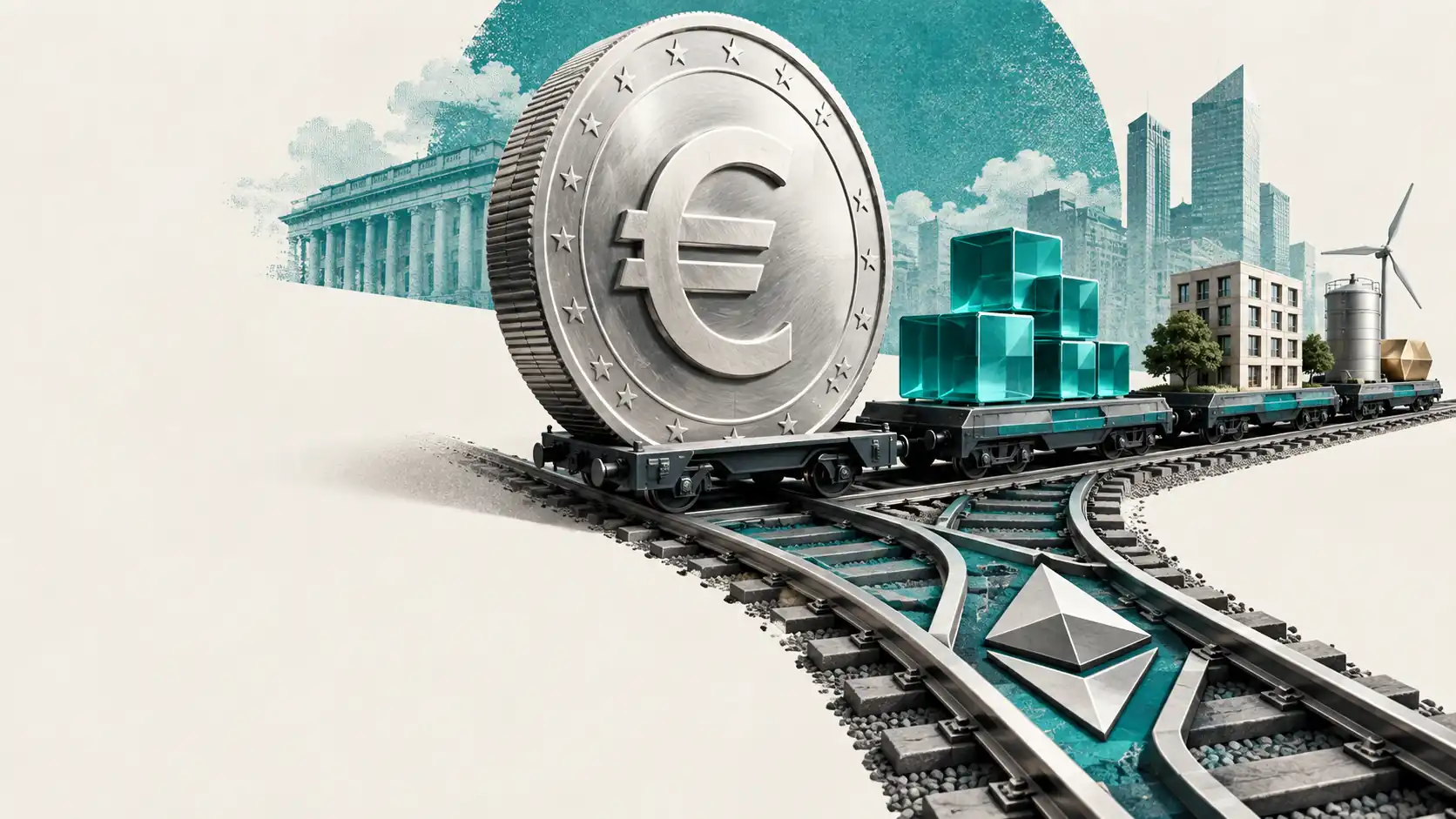
MiCA, by contrast, offers staked-ETH products a clearer regulatory home than the patchwork framework that still governs the U.S. market. The next wave of Ethereum-linked institutional issuance could therefore shift toward European venues, a competitive advantage for the continent that deserves attention from investors and policymakers alike. The European Securities and Markets Authority (ESMA) sets the perimeter for that regulatory framework.
Price has already discounted the end of the first model
Source: market data, ETH price in USD (approximate values)
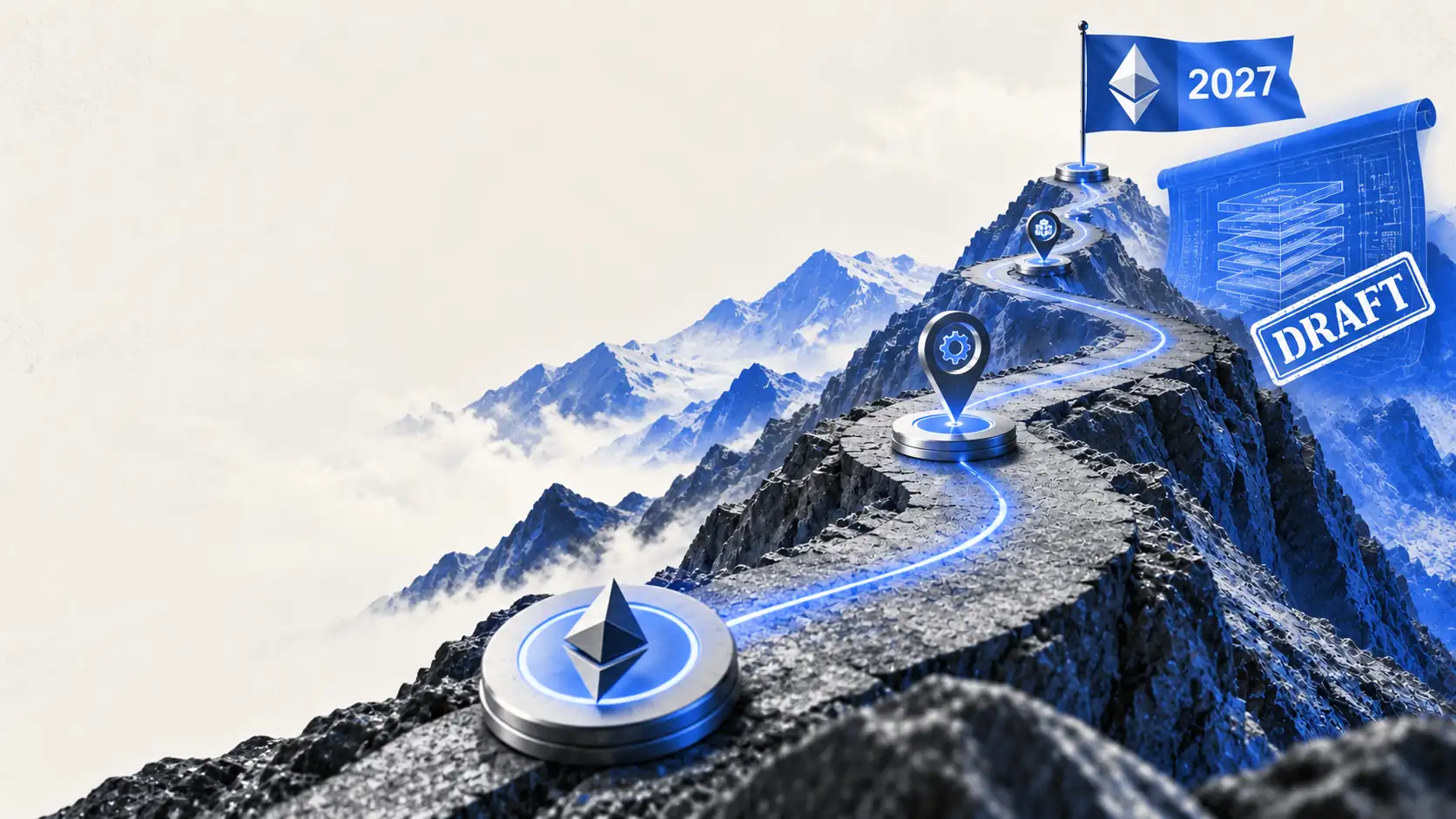
Three signals are worth watching now. First, whether ETF inflows return after the current outflow streak. Second, the Glamsterdam upgrade, expected in the second half of 2026, which could reshape the fee-routing dynamic between base layer and L2s. Third, whether corporate treasury accumulation continues at its current pace. The technical roadmap remains available on the official Ethereum website, and the European regulatory perimeter falls under ESMA.
Geoff Kendrick of Standard Chartered has stated that 2026 will be Ethereum's year the way 2021 was. If he's right, today's price won't be the metric that tells that story.
This content is for informational purposes only and does not constitute financial advice. Cryptocurrencies are highly volatile and carry the risk of capital loss.