

Two major world economies are tightening their grip on digital currencies just as the US seeks to cement its leadership in stablecoins.
On the one hand, Israel is accelerating its plans for the digital shekel, and on the other, China continues to expand its adoption of the digital yuan (e-CNY). These joint moves signal a broader and more decisive global shift towards sovereign digital money, a trend that could significantly challenge the reach and influence of US dollar-based stablecoins.
The Dominance of Stablecoins at a Crossroads
Stablecoins have now become a central pillar of the digital asset market, moving far beyond their initial role of simply being a trading convenience. Currently, the sector handles a monthly volume in excess of $2 trillion and boasts a market capitalisation in excess of $310 billion, almost all of which is pegged to the US dollar.
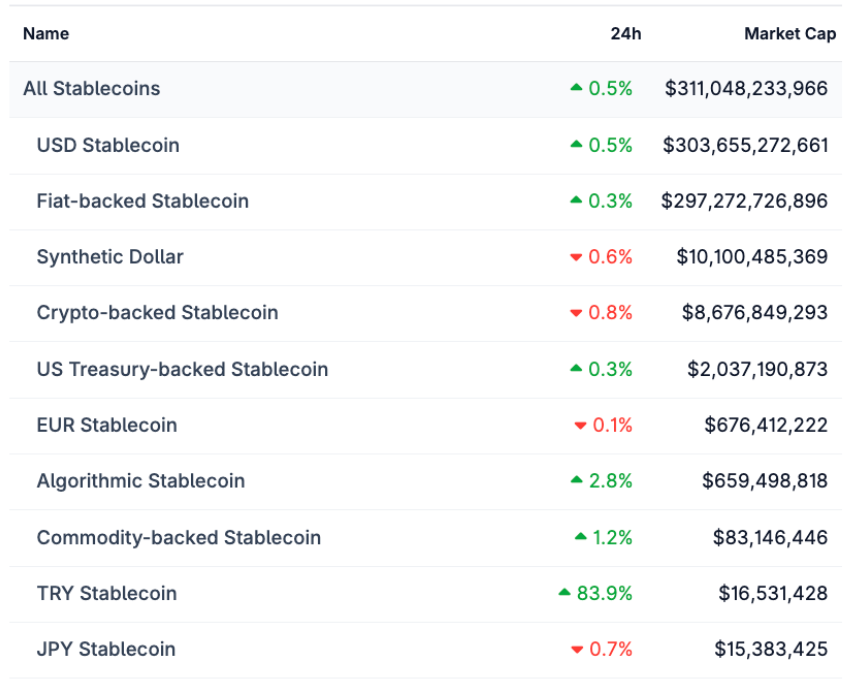
This exponential growth has prompted private companies to take the lead in operating key components of the global payments infrastructure.
However, as their influence expands, governments are taking matters into their own hands. Many are introducing new regulations to limit the reach of token linked to the US dollar. During a recent conference in Tel Aviv, the Governor of the Bank of Israel, Amir Yaron, announced that the country is preparing to implement much stricter supervision of stablecoins.
The Governor cited growing concerns about concentration in the sector. With much of the activity dominated by entities such as Tether and Circle, Yaron warned that any problems with their reserves or collateral could spill over into the broader financial system. He also noted that their current scale is already comparable to that of a mid-tier international bank.
Israel Accelerates Towards Digital Shekel
Along with these regulatory warnings, Israel is also stepping up its digital shekel initiative, its proposed central bank digital currency (CBDC).
The Bank of Israel recently released a detailed design document outlining user paths, technical architecture and key policy considerations. Officials say the project aims to strengthen the country's payment infrastructure and reduce dependence on private digital assets.
China Excludes Stablecoins and Pushes the Yuan
While Israel takes a more measured but still sovereignty-driven approach, China is following a much more assertive path. China's central bank has doubled down on its broad ban on cryptocurrencies, working to target stablecoin activity and close the remaining regulatory loopholes.
Chinese officials argue that digital assets fuel money laundering and capital flight, and point out that such tokens have no legal tender status.
The People's Bank of China announces the full integration of its cross-border digital system with ten ASEAN countries and six Middle Eastern countries, according to a user on X.
🇨🇳 People's Bank of China announces full integration of its digital cross-border system with ten ASEAN countries and six Middle Eastern countries
- Lord Bebo (@MyLordBebo) November 14, 2025
This will significantly increase global trade through digital yuan. Many experts believe that figures of up to 38% will be achieved,... pic.twitter.com/bagM1owks8
This repression is also developing in tandem with the rapid growth of the digital yuan. According to Ledger Insights, the People's Bank of China recently reported that e-CNY transaction volumes have nearly doubled in the past 14 months, reaching $2 trillion by September.
Pilot programmes are now up and running in major cities, public sector payment systems and selected trade routes, integrating state-issued currency into everyday financial activity.
By isolating stablecoins and accelerating the digital yuan, China aims to sever dependence on foreign currency networks, particularly those tied to the US dollar. The Chinese escalation, combined with the Israeli approach, highlights a clear global shift: major economies are no longer willing to let dollar stablecoins define the future of payments, and are actively building their own sovereign digital systems.