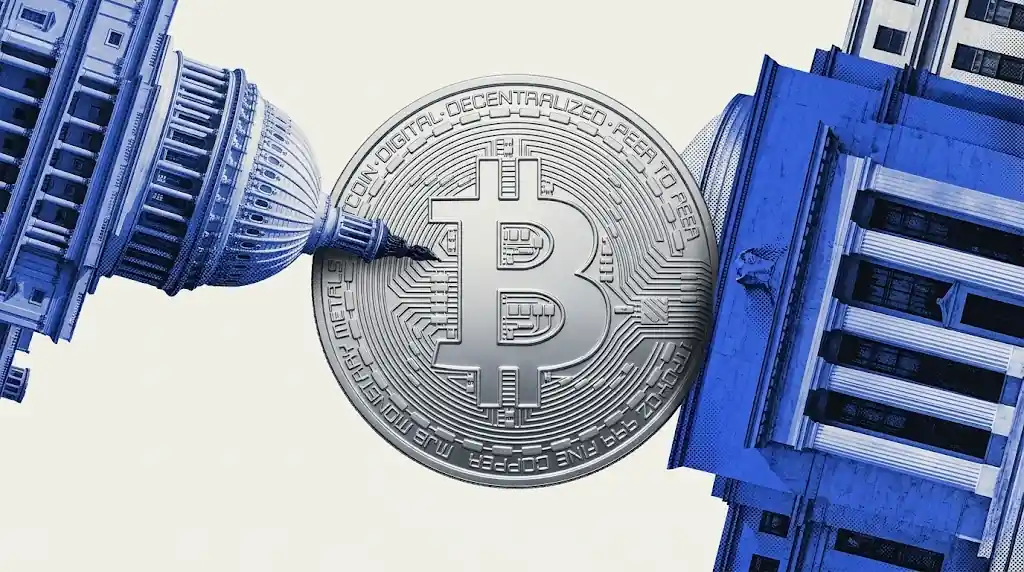


On June 9, 2026, Italy's FTSE Mib closed at 50,263 points, a level never seen before, with an intraday peak at 51,240 and futures pushing to 51,275. At 5:25 p.m. that same afternoon, according to CoinDesk market data, Bitcoin slipped below $61,500, roughly its lowest level in four months. Two markets, apparently unconnected. Yet both are telling the same story: capital has made a choice, and for now, crypto is not the destination.
The Banking Sector Is Driving Milan
The Milan rally has nothing to do with innovation. It is built on Italian banking consolidation. Monte dei Paschi continues its upward run, BPER and Unipol follow, and the entire credit sector has kept the spotlight on Borsa Italiana for weeks. Trading volume actually fell, from 6.34 billion to 5.25 billion euros in a single session, per Borsa Italiana data. Low volume, high conviction. The market is buying consolidation, branch networks, dividends. Old-economy assets. The kind that pay.
Bitcoin Falls as ETF Outflows Mount
Functionally, bitcoin has dropped roughly 24% in thirty days and nearly a third of its value since the start of the year, according to CoinGecko data. June's decline has a precise set of causes, as we outlined in our analysis of the drop below $62,000: record outflows from spot ETFs, persistent U.S. inflation, and geopolitical pressure in the Middle East. Then came the most corrosive signal of all: Strategy's first Bitcoin sale since 2022. Thirty-two coins, around $2.5 million. A trivial sum. A significant message.
Bitcoin: June Price Decline (USD)
Source: CoinDesk and Borsa Italiana market data, May 28 - June 9, 2026
The Rotation Nobody Is Naming
Here's the paradox: the Italian banks now leading the FTSE Mib rally are the same institutions quietly building crypto exposure from the back door. Intesa Sanpaolo holds positions in Bitcoin ETFs, and BPER has joined the European stablecoin consortium, as detailed in our analysis of European bank crypto portfolios. They are buying the infrastructure while the price falls. Anyone selling at current lows might want to consider who is on the other side of the trade.
The next inflection point is already on the calendar: U.S. CPI data from the Bureau of Labor Statistics. A hot print would reopen the wound from ETF outflows and push Bitcoin toward the $60,000 level.


A cool reading, on the other hand, could reveal that Bitcoin's floor is closer than the market assumed. For European investors watching this divergence, the real question is not whether Milan's banking sector can keep climbing. It's how long those same banks can outperform while quietly accumulating the very asset retail investors are selling.