415 TWh. That was the global electricity consumption of data centers in 2024. According to projections published by the International Energy Agency in late 2025, the figure for 2030 is 945 TWh. More than double, in six years. Microsoft, Google and Meta read those numbers and went shopping for nuclear power plants.
The inflection point here isn't technological. It's physical. A single H100 GPU draws 700 watts at full load. A server node with 8 GPUs consumes 10 to 12 kW. An AI rack draws 80 to 140 kW. A 10,000-GPU cluster demands continuous power that the grid in most cities simply cannot deliver. Sam Altman estimated 0.34 watt-hours per ChatGPT query: multiplied by 2.5 billion daily requests, that's the output of a full-time power plant.
Who Did What, and at What Cost
Key figures at a glance:
- Global data center electricity consumption in 2024: 415 TWh, per IEA data
- IEA projected data center consumption by 2030: 945 TWh
- US data center electricity demand in 2026: 4% of national grid, per IEA estimates
- Goldman Sachs forecast for global data center power demand by 2027: 84 GW
- Meta nuclear energy agreements: 6.6 GW committed
Microsoft chose the most symbolic move: it restarted Three Mile Island, the Pennsylvania nuclear plant notorious for its 1979 accident, with a $1.6 billion investment to bring it online by 2028. Google signed a deal with NextEra Energy to reactivate Iowa's only nuclear plant (600 MW from 2029), adding to an existing contract with Kairos Power for modular reactors. Meta publicly declared its ambition, backed by 6.6 GW of nuclear agreements, to become “one of the largest corporate purchasers of nuclear energy in American history.”
The IEA World Energy Outlook 2025 identified 2025 as the first year in which global investment in data centers (580 billion dollars) surpassed investment in oil (540 billion dollars). That figure deserves a pause: data centers, the physical backbone of AI, attracted more global capital than the fossil fuel sector that dominated the twentieth century.
Global data center electricity consumption (TWh) — 2024-2030 projection
Source: IEA World Energy Outlook 2025 · Goldman Sachs · Berkeley Lab · SpazioCrypto analysis
Will Nuclear Power Arrive in Time for AI?
Functionally, the honest answer: not within the critical window. The main constraint isn't the nuclear technology itself. It's the timeline. Three Mile Island will come back online in 2028. The Kairos Power modular reactors Google commissioned are expected around 2030. Meanwhile, AI cluster growth is already accelerating in 2026. Goldman Sachs has identified energy availability as the single biggest infrastructure constraint, displacing chip supply as the binding limit. Nvidia itself has slowed the expansion of certain clusters not because of GPU shortages, but because of power shortages.
In the near term, the answer is natural gas. Berkeley Lab estimates that in the US, the additional short-term demand will be met primarily by new gas plants, with a direct impact on emissions. This is the central contradiction: the same tech companies that declare themselves carbon neutral are building fossil-fuel-powered infrastructure right now, while waiting for nuclear and renewables to arrive later in the decade. Sundar Pichai admitted in a Bloomberg interview that AI's rapid growth “was not anticipated,” which is why Google is racing to secure nuclear capacity.
For those following data centers and crypto mining, the parallel is direct. Bitcoin mining went through the same energy dependency cycle, with one key difference: mining relocates to wherever energy is cheap, while AI data centers must stay close to users to minimize latency. That geographic constraint drives up both cost and procurement complexity.
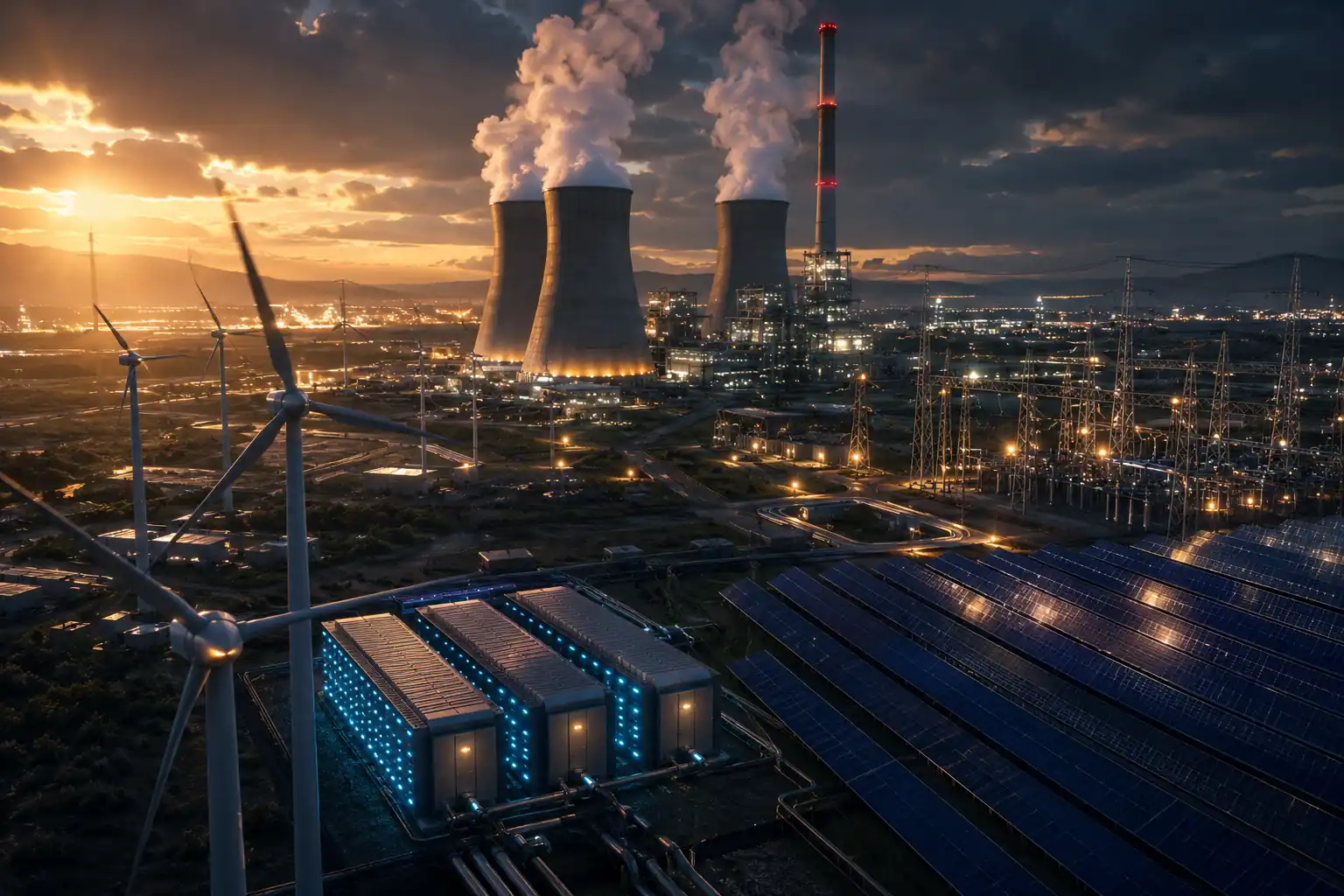
One consistently underestimated piece of this story is the SMR (Small Modular Reactor) sector. SMRs are nuclear plants designed to be built faster and at lower cost than conventional facilities. Microsoft has invested in Helion Energy, Google backs Kairos Power, and Amazon acquired an SMR-powered data center in Pennsylvania for $650 million. Whether SMR construction timelines will genuinely be shorter remains debated in the nuclear community, but capital is betting they will be. The IEA report describes a trajectory in which energy becomes the new “invisible raw material of innovation”: a shift that reshapes geopolitics more profoundly than most general-interest media acknowledges.

The sharpest data point in the whole debate comes from MIT. Jacopo Buongiorno, director of the Center for Advanced Nuclear Energy Systems, quantified the gap in an interview: “In the United States, between now and 2030, electricity demand will grow by approximately 50 gigawatts just to support data centers and AI.” 50 GW exceeds the installed capacity of most European nations. The question the energy sector is now wrestling with is not whether nuclear can power AI. It's whether regulatory approvals, construction timelines and financing can align fast enough to avoid a gap that gas will fill for years.