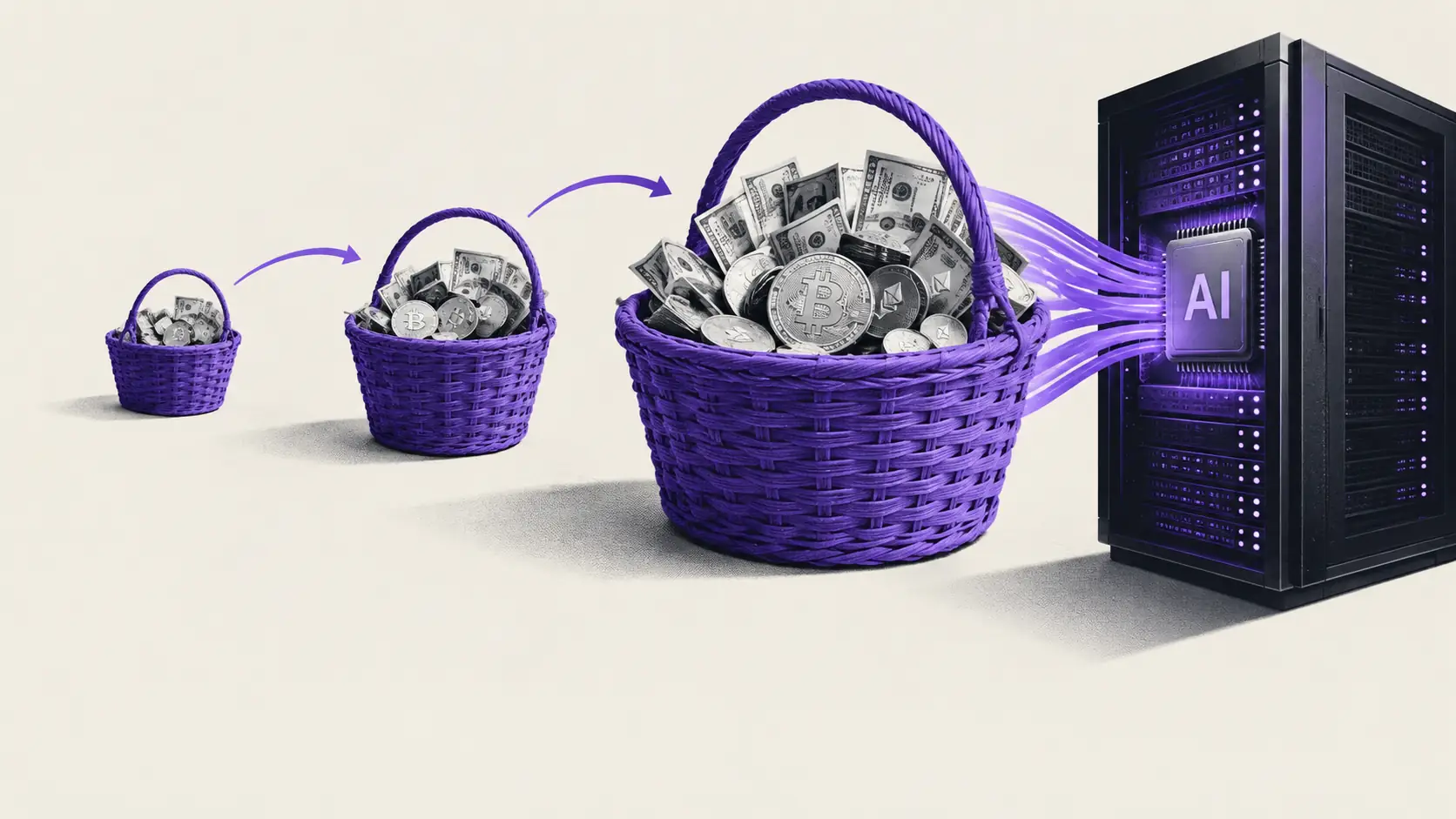
Google will pay SpaceX $920 million per month for access to GPU compute capacity, according to terms disclosed on June 5, 2026, one week before SpaceX's planned stock market listing. Annualized, the figure reaches roughly $11 billion. For GPU rentals. The defining detail of this moment is precisely that: a rocket company becomes the landlord of a rival's artificial intelligence infrastructure.
The contract structure is telling. Access ramps up through September at a reduced rate, with a 90-day cancellation clause available after December 31, 2026. A built-in penalty applies if SpaceX fails to deliver the promised GPUs by September 30: Google can exit or accept reduced capacity at a discount. Nobody signs terms like these when compute is abundant.
TL;DR: Google agreed to pay SpaceX $920 million per month for GPU access, disclosed June 5, 2026, as the five largest hyperscalers head toward a combined $635-690 billion in capex for the year. The real bottleneck is no longer chips but electricity, with global data center consumption forecast to reach 485-950 terawatt-hours by 2030, per BloombergNEF.
The Numbers Behind the Race
The Google-SpaceX contract is one tile in a far larger mosaic. According to Goldman Sachs and official guidance from earnings calls, the five largest hyperscalers are heading toward $635-690 billion in combined capex in 2026. Amazon alone projects $200 billion. These are not analyst estimates from a startup seeking attention; they are figures from official earnings guidance.
2026 Capex of the Five Largest Hyperscalers (USD billions, estimate)
Source: Goldman Sachs, Futurum Group, corporate guidance, 2026
Goldman Sachs extends the horizon further, estimating roughly $7.6 trillion in AI-related capex between 2026 and 2031. BloombergNEF tracks the fourteen largest data center operators approaching $750 billion in spending this year alone, with over 23 gigawatts of capacity currently under construction. These numbers have stopped being abstract.
The Bottleneck Is No Longer the Chip
Functionally, for years, the binding constraint was the GPU. Now it's the power grid. Global data centers are heading toward consumption of 485 to 950 terawatt-hours by 2030, according to BloombergNEF, more than three times Italy's annual electricity demand. Grid connection timelines now exceed four years in many markets. Nvidia itself has slowed the expansion of certain clusters not from a shortage of cards, but from a shortage of megawatts.
That's why the SpaceX deal makes sense. When compute is scarce, whoever controls infrastructure and energy access becomes a strategic supplier, even if that company's primary product is a rocket. The same logic is pushing the big tech firms toward nuclear and small modular reactors and any solution that can unlock megawatts in the near term.
What This Means for Sector Watchers
Three fronts stand out. First, concentration: a small number of players now control compute, energy, and capital simultaneously, and cross-rental of GPUs between rivals makes supply chains more entangled and brittle. Second, financial risk: three of the four largest hyperscalers lost market value after their most recent quarterly results, signaling that investors are worried about spending commitments that are running ahead of revenue growth. Third, infrastructure security, already under pressure after Google documented the first AI-generated zero-day exploit.
The underlying question hasn't changed. Not whether there will be enough compute, but who will control the power to run it. Today, part of that answer sits at a launch pad in Texas. Investors tracking AI infrastructure should watch the SpaceX IPO terms closely: the Google contract's 90-day exit clause and December 2026 capacity milestones will be the first real test of whether this supply arrangement holds under pressure.