While the world was watching the World Cup, a quieter record fell. Prediction markets surpassed $50 billion in trading volume in a single month, and on the tournament alone they processed ten times more money than the entire US legal bookmaker industry combined.
The house no longer takes the bets. The market does. And behind this overtake sits technology you already know: crypto rails.
TL;DR: Prediction markets topped $50 billion in June 2026 volume, led by Kalshi at roughly $31 billion, a 70% monthly jump driven by the FIFA World Cup. US legal sportsbooks were expected to handle $2.8 to $4.3 billion across all 104 matches, according to Macquarie analysts, while prediction markets outpaced them by an order of magnitude.
The Numbers Behind the Record Month
June 2026 was the biggest month in prediction market history, per data from Dune and The Block. Kalshi, which became an official FIFA World Cup partner, led with roughly $31 billion in volume, up 70% from the prior month. Polymarket recorded $10.8 billion on its international platform and an additional $3.5 billion on its regulated US version. Rothera, the new prediction market joint venture backed by Robinhood, handled $2 billion in its debut month.
The contrast with traditional sports betting is stark. US legal sportsbooks were projected to handle between $2.8 and $4.3 billion across all 104 World Cup matches, according to Macquarie analysts. Prediction markets, on the tournament alone, beat them by a full order of magnitude.
The $50 Billion Record Month
Prediction market trading volume in June 2026, by platform. Source: Dune, The Block, 2026
- Kalshi: ~$31B
- Polymarket (intl.): $10.8B
- Polymarket (USA): $3.5B
- Rothera: $2B
Not a Bet. A Market.
This distinction matters more than it might seem. A bookmaker acts as the house: it sets the odds, stands on the opposite side of every wager, and profits from its built-in margin. A prediction market is an exchange: it matches buyers and sellers, collects a small commission, and lets demand move the price, exactly as a stock exchange does.
The practical consequences are real. Fees run lower, and the implied probabilities that emerge are sharper. During the tournament, the US national team reached a 4.3% implied probability on prediction markets, compared to just 1-2% with traditional bookmakers, because actual money was pushing the price. Teams were effectively treated as financial assets, with France trading as the blue-chip favorite at around 39%. Settlement runs on-chain, often in stablecoins like USDC: crypto rails are what made globally accessible, instant, 24-hour markets possible.
Who Is Arriving: Institutions and New Users
This is not purely a retail story. Trading giants such as DRW have opened dedicated desks for cross-platform arbitrage, the New York Stock Exchange invested $600 million in Polymarket, and institutional players now treat these contracts as genuine derivatives.
At the same time, the tournament pulled in a wave of first-time users, many of them women and people who had never opened a sports betting app before. Kalshi and Polymarket together accounted for 78.5% of new app installs across the six largest platforms in the sector, while activity on DraftKings and FanDuel dropped between 32% and 41%. New audience, new rails.
Why Europe and Football Matter Here
For a continent where football is close to a religion, this is the most relatable crypto use case yet: not a speculative token, but a product people genuinely want to use. With France the favorite and the semifinals underway, millions of people held strong opinions on the tournament, and a growing share of them held an open position. It's the meeting point between crypto and a mass audience, routed through the world's most-watched sport.
The Other Side: Limits and Open Questions
Some perspective is needed. Traditional bookmakers remain roughly ten times larger overall. This was a World Cup peak, and Macquarie analysts have cautioned that volumes could retreat after the final, with user retention still unproven. The regulatory line is thin and contested.
 Davis Giangiulio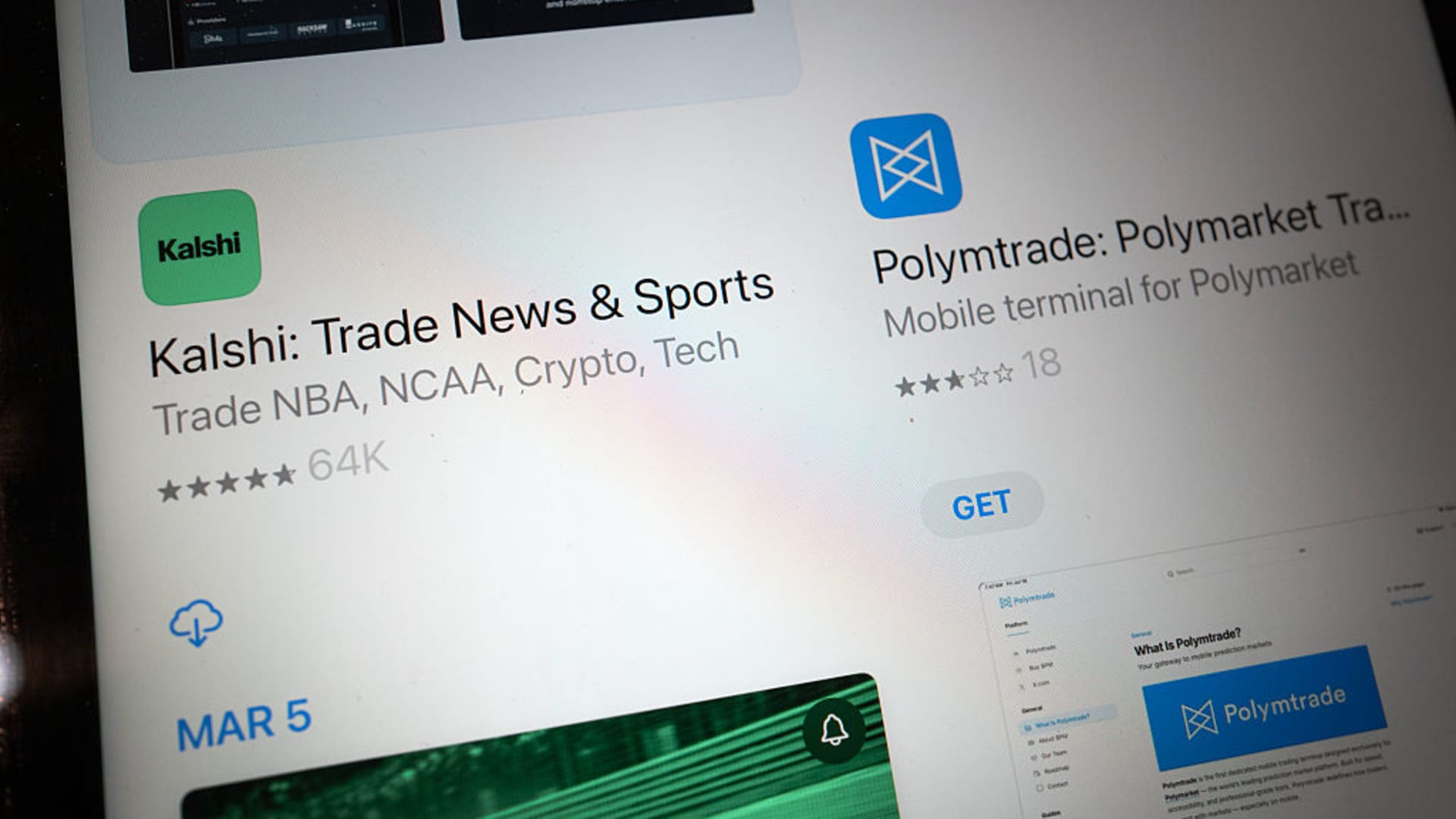
In the US, Polymarket had to acquire a CFTC-registered exchange to legally serve American users. In Europe, strict gambling frameworks make the distinction between an “information market” and an “unauthorized bet” an active legal battleground for platforms operating under MiCA. The human cost is real too: a single trader lost nearly $16 million in ten days. Sharper markets don't make problem gambling safer, and that needs saying plainly. The full regulatory picture is available through the CFTC and on Polymarket's official platform.
The underlying signal, though, is large. Prediction markets are becoming the internet's real-time probability layer: the place where money converts opinion into a number, whether the subject is sport, elections, or economic data. They run on crypto rails. The $50 billion World Cup month is the moment the model went mainstream. Whether regulators treat prediction markets as exchanges or as casinos will determine how far they can grow. You can explore how on-chain wallets work in our custody guide.