

February 2026 marked a turning point for humanoid robotics. Agility Robotics signed a commercial agreement with Toyota Motor Manufacturing Canada, deploying Digit on production lines and supply chain operations. This is the first time a humanoid robot has entered commercial production at a major automotive group outside its own manufacturer's facilities. At least ten companies worldwide are now testing humanoids in real, commercial environments, not just controlled labs.
TL;DR: Figure AI has raised over $2 billion and deployed Figure 02 at BMW, where the robot learns new tasks by observing human workers. Agility Robotics signed a commercial deal with Toyota Motor Manufacturing Canada in February 2026, signaling that the enterprise model for humanoid robots is gaining traction.
Who Has What, Where, and at What Scale
Key figures at a glance
- Figure AI total funding: over $2 billion, according to company public disclosures
- Boston Dynamics Stretch throughput: 800 boxes per hour, per company data
- Unitree G1 commercial price: $16,000
- Companies with humanoids in real-world settings in 2026: at least 10 globally
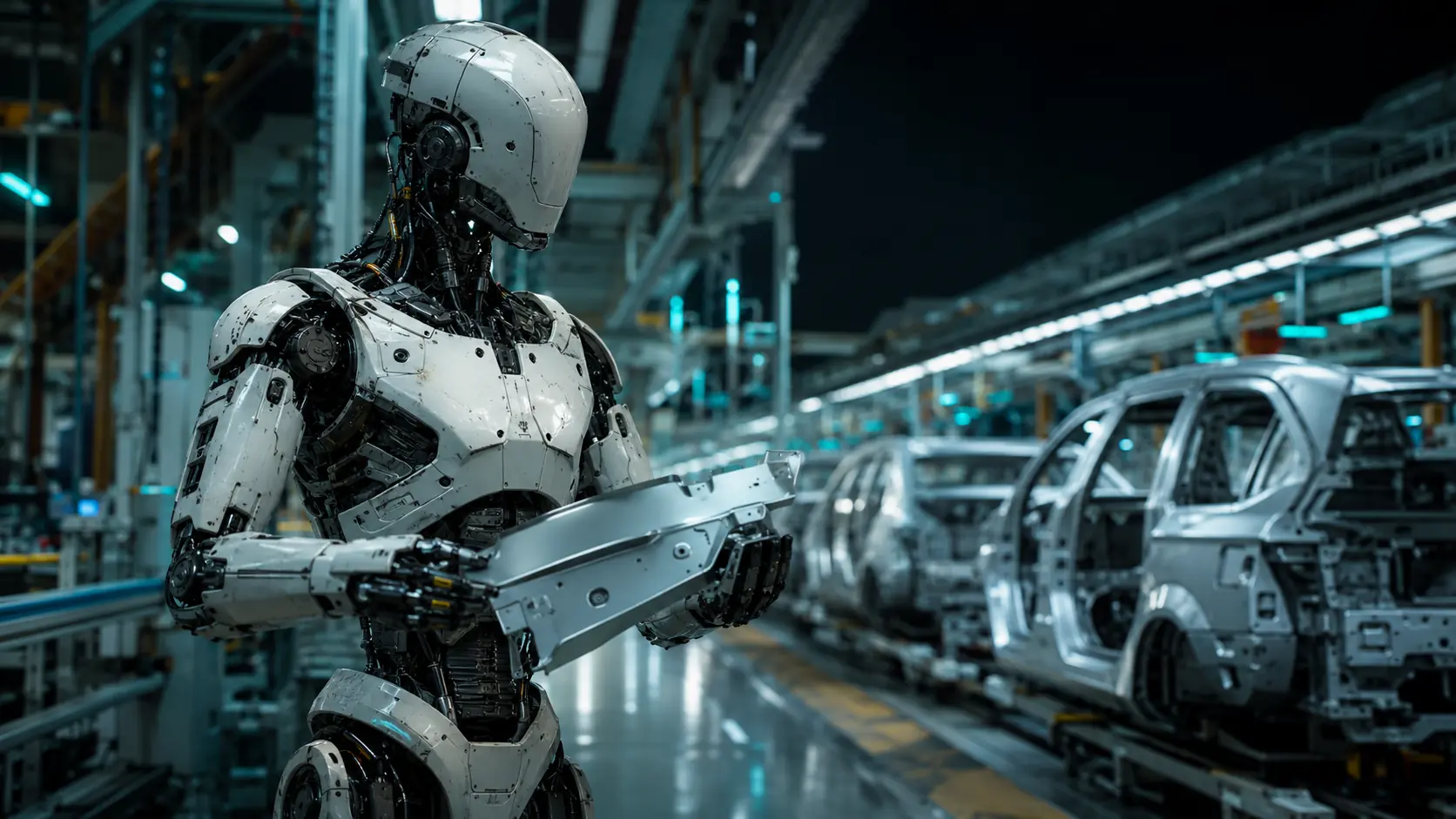
Figure AI has raised over $2 billion and built Figure 02 around a language model developed with OpenAI. The robot is operational at a BMW manufacturing plant, where it learns new tasks by watching human workers rather than executing pre-programmed routines. That distinction matters: it places Figure 02 firmly in the category of Physical AI, the industry term for robots that read context and adapt to novel situations, rather than traditional fixed automation.
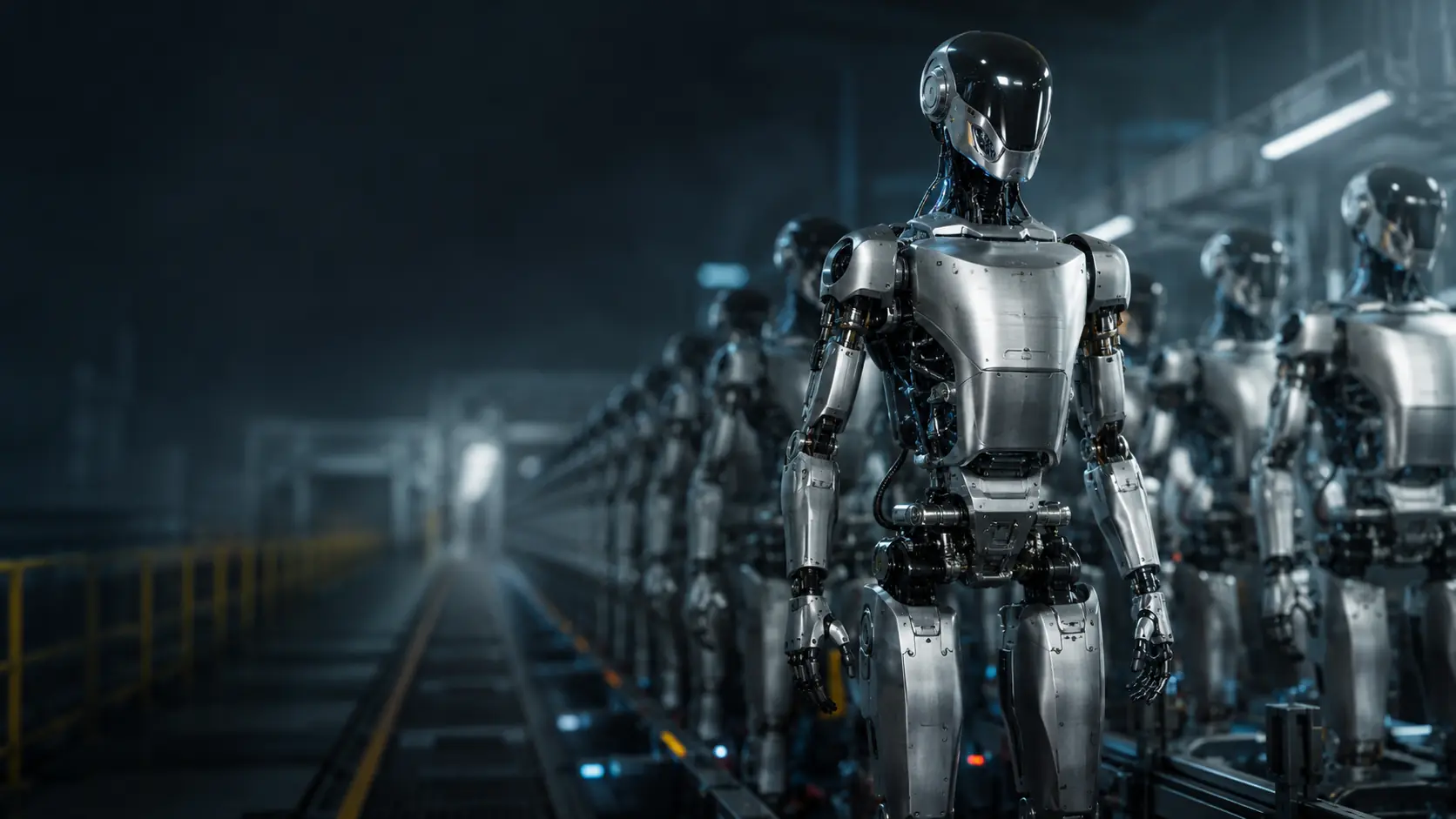
Agility Robotics took a different path. Digit is engineered for warehouse logistics: defined tasks, structured workflows, measurable throughput. Already active inside Amazon sortation centers since 2024, Digit benefits from being manufactured at scale inside the RoboFab, the world's first factory dedicated to mass production of humanoid robots. The commercial agreement with Toyota Motor Manufacturing Canada, announced in February 2026, shows the enterprise model worked well enough to convince a global automotive giant to sign on.
Funding raised by leading humanoid robot manufacturers (billions USD, May 2026)
Source: Agility Robotics, Figure AI, public company data, SpazioCrypto analysis, May 2026
What Still Needs to Change Before Humanoids Reshape Work
The gap between “operational on the factory floor” and “economically viable at scale” remains wide. Today's humanoid robots perform well on repetitive, structured tasks but struggle in high-variability environments. Digit excels when the workflow is well-defined: Agility Robotics acknowledges this openly. Figure 02 learns through observation, but that capability has a practical ceiling: you can't station a human operator beside the robot for every new task on a live production line.
The quantitative milestone most frequently cited in industry discussions is cost parity with a human worker. A high-end humanoid robot currently costs between $150,000 and $200,000, before adding maintenance, software updates, and supervision. The break-even point against the annual cost of a U.S. warehouse worker, including benefits, insurance, and training, is estimated at between five and seven years at equivalent productivity. Robot productivity improves year over year. Human productivity doesn't follow the same curve. The direction is clear, even if the timeline isn't.
Boston Dynamics is the most widely covered name in the sector, though not the current leader in commercial deployment. Atlas is targeting first real-world installations at Hyundai facilities by end of 2026, with broader rollout expected between 2027 and 2028. Boston Dynamics brings over a decade of continuous development and a genuine real-world test base. It hasn't yet led the commercial adoption race. On affordability, the most striking case comes from China: Unitree G1 is commercially available at $16,000. It isn't built for heavy industrial production, but the barrier it removes for research labs, startups, and universities is real. Readers following the intersection of robotics and the digital economy on SpazioCrypto will find further updates in coming months as the sector accelerates.
The Bigger Picture: AI Agents, Physical Robots, and 2027
Functionally, a figure circulating widely in industry discussions, attributed to McKinsey, puts the number of AI agents operating as “digital employees” in corporate workflows globally at 25,000 in 2026. JPMorgan alone reportedly deploys these agents across a workforce of 250,000. The boundary between software AI agents and physical robots is narrowing: both represent forms of non-human labor integrated into production processes. The difference is that physical robots still need to earn buyer trust through hard productivity data. Figure and Agility are collecting that data now. BMW and Toyota are reviewing the numbers. What 2027 delivers will tell us whether 2026 was genuinely the watershed or just a promising start.