

Humanoid robots are working real factory shifts in 2026, and the rankings look nothing like the demo reel. Figure 02 units assembled over 30,000 BMW vehicles at the Spartanburg plant with 99% accuracy across an eleven-month deployment, logging ten hours a day on the line. Tesla’s Optimus is active inside Fremont and Austin facilities, but its public deployment remains more limited. The gap between viral video and verified endurance is where the real competition is being settled.
The Stage Narrative: Robots Are Coming
Every month brings a new video clip: smoother gaits, more precise hands, robots jogging or doing backflips. Elon Musk has stated on his X profile a long-term demand outlook exceeding 20 billion units, with a target price of $20,000 to $30,000 for Optimus. On paper, the physical-labor revolution looks imminent.
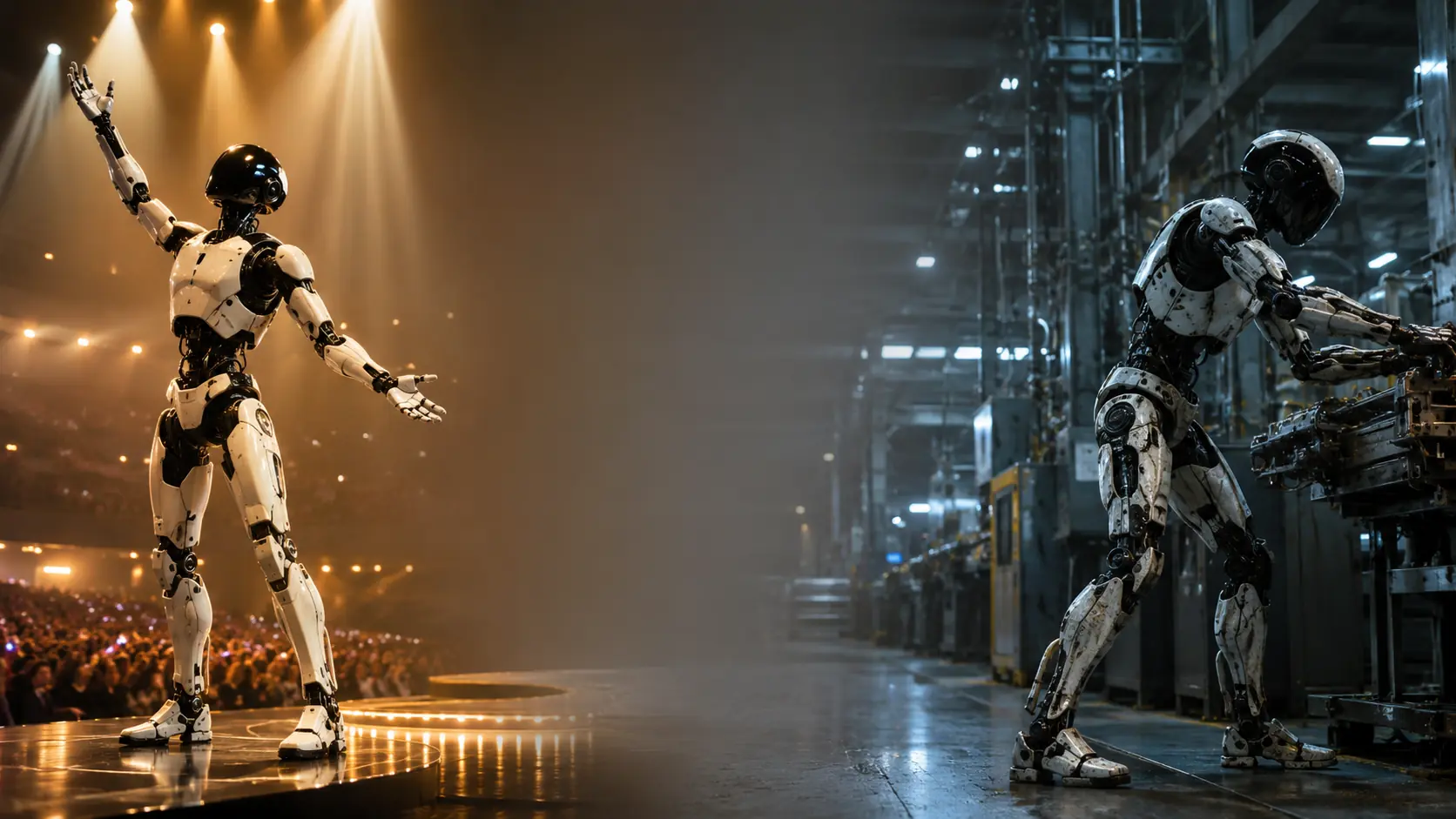
There’s a catch. The demo is not the deployment. A robot that dances at an industry event tells you nothing about how many weeks it survives a real production shift.
Who Is Actually on the Factory Floor
Functionally, the numbers tell a different story. Figure 02 robots built over 30,000 cars at BMW’s Spartanburg facility with 99% accuracy, according to Figure’s own deployment data, running continuously for eleven months before being retired with visible wear. Not a showcase test. Real work, ten hours a day.
Figure founder Brett Adcock documented the milestone himself. His post on X marking five continuous months on the BMW X3 body shop line remains one of the few documented endurance data points in the sector. Tesla, for its part, deploys Optimus primarily inside its own Fremont and Austin plants for tasks like battery handling, with a more restricted public footprint.
This week, Figure has passed 5 months running on the BMW X3 body shop production line
— Brett Adcock (@adcock_brett) October 6, 2025
We have been running 10 hours per day, every single day of production!
It is believed that Figure and BMW are the first in the world to do this with humanoid robots pic.twitter.com/zAXCbApXBJ
Do Humanoid Robots Actually Work?
Yes, but only on narrow, repetitive tasks, and almost exclusively in factory settings for now. A humanoid today moves sheet metal, sorts components, and handles materials in predictable cycles. It’s not the universal butler from the highlight reels. Figure 03, the production-grade version unveiled on October 9, 2025, added tactile sensors with sensitivity down to 3 grams and wireless charging built into the feet, signaling that the industry is optimizing for continuous use rather than spectacle. Skepticism is still warranted. Rodney Brooks, co-founder of iRobot, has called the vision of robots as general-purpose assistants pure wishful thinking.
On the Tesla side, the program is built around manufacturing scale. Elon Musk posts regular Optimus updates on his X profile, with third-generation production expected to ramp through summer 2026.
The Verdict: Measure Hours, Not Views
Put the two sides together and the picture sharpens. Leadership in this space is measured in machine-hours, accuracy rates, and signed contracts, not view counts. Figure has stated an ambition of reaching roughly 100,000 units over four years, with its BotQ facility designed for 12,000 robots in the first year, and has signed a second commercial customer. Tesla holds the industrial firepower to close the gap quickly if execution matches its promises, and that “if” is the real question mark.

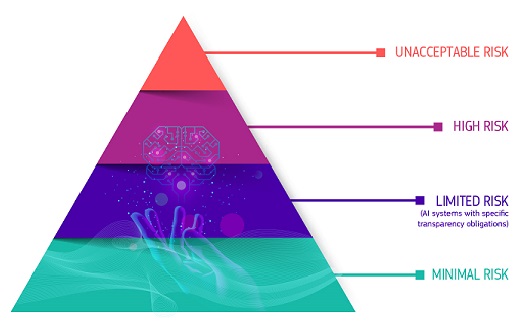
For businesses, the operational signal is singular: a humanoid becomes a capex line item when it performs a narrow task safely, at a cost the income statement can absorb. Everything else, for now, is theater. The labor implications feed directly into Europe’s AI Act regulatory debate, which you can follow through the EU artificial intelligence regulatory framework.