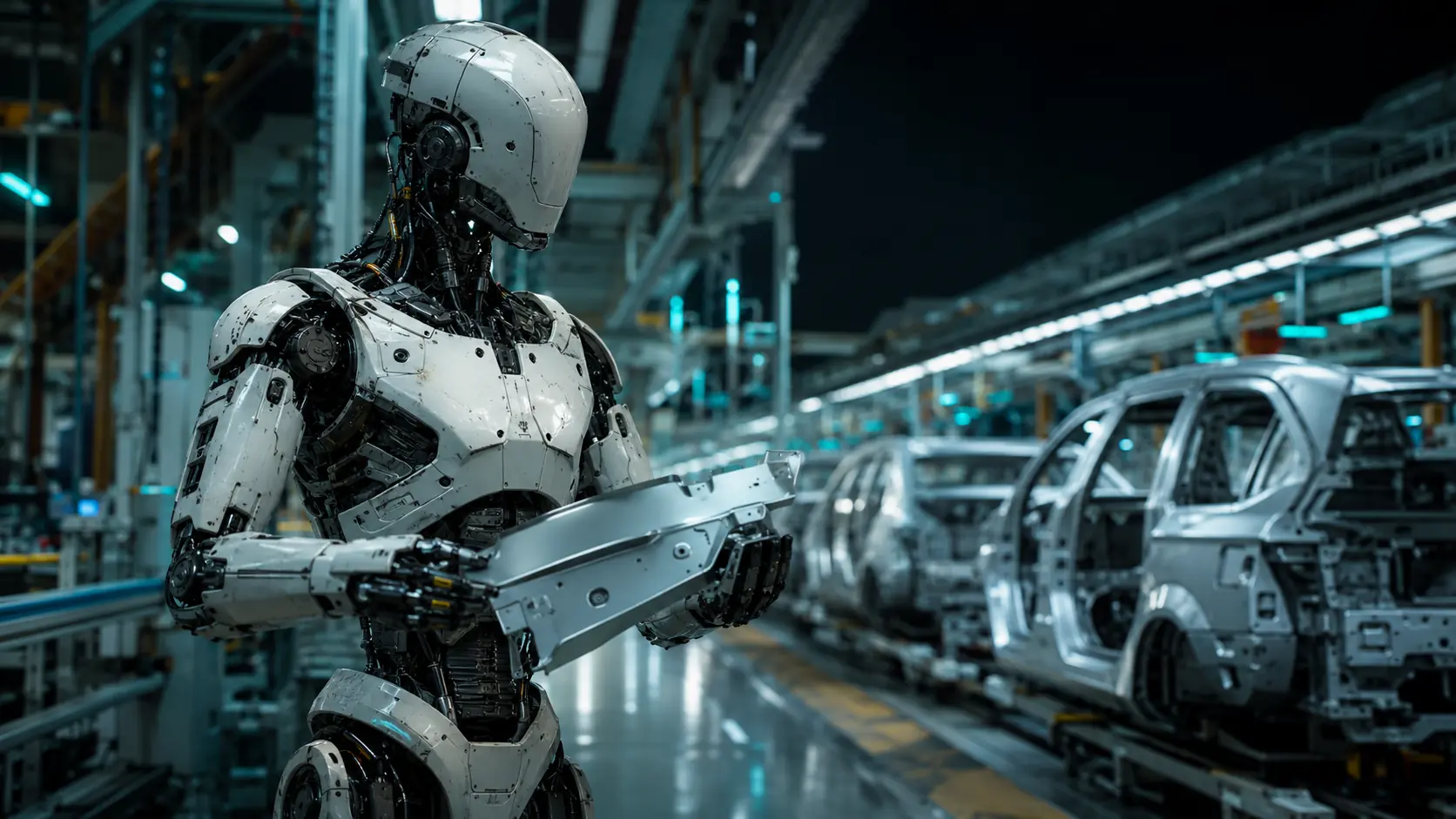


A factory in Guangdong assembles a humanoid robot every 30 minutes. Tesla, in an entire year, delivered 10,000 units. According to industry data tracked by the International Federation of Robotics, China controlled nearly 90% of humanoid robots sold worldwide in 2025. The West is playing catch-up, and the gap is widening.
2026: The Year Humanoids Leave the Lab
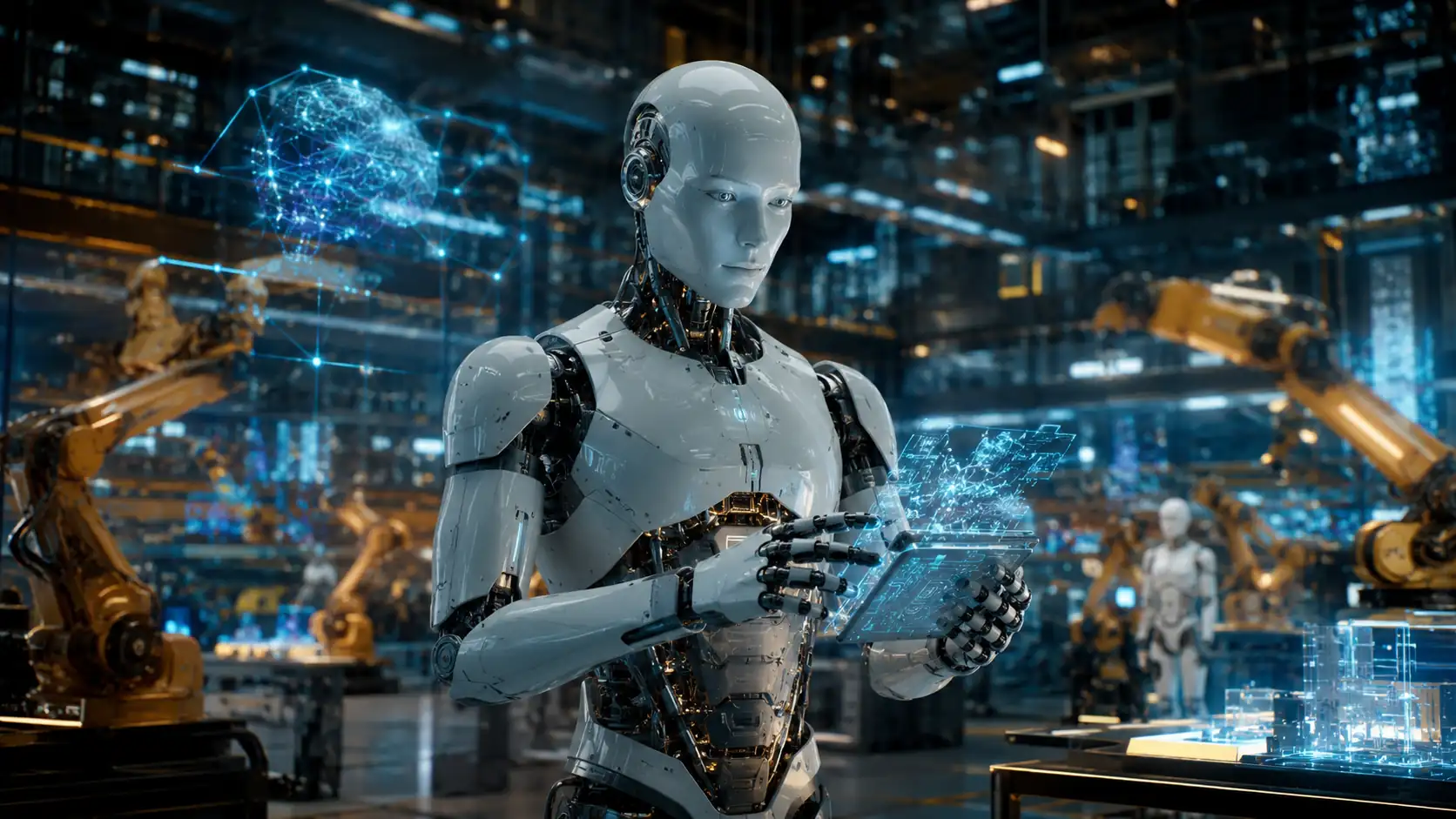
This is no longer science fiction. It's a product category. Global deliveries surpassed 13,000 units in 2025, per IFR figures, and the pace is accelerating. Three forces are driving the shift: vision-language-action models that actually understand context, cheaper actuators, and a labor shortage that's pushing manufacturers to act. Nvidia CEO Jensen Huang has described this as the “ChatGPT moment” of Physical AI. The robots aren't just executing pre-programmed tasks anymore. They read the room. We covered early deployments with Figure and Digit already on the floor at BMW and Toyota.
Who Is Winning the Humanoid Robot Race?
Functionally, it depends on what you measure. On volume, China wins by a wide margin. Unitree was the world's top seller in 2025 with 5,500 units, according to IFR data, followed by Agibot with 5,168. Together they account for the majority of the global market. On AI sophistication and valuation, U.S. players like Figure, Tesla, and 1X still hold an edge.
Elon Musk has acknowledged the challenge directly. In posts on X, Musk stated that China is exceptionally strong in both AI and manufacturing, and will be the toughest competition in the robotics race. The gap in physical production capability is real, and Silicon Valley knows it.
The Real Chinese Advantage Is the Supply Chain
This is where the race is actually decided. Building a Tesla Optimus Gen 2 without Chinese suppliers would cost roughly three times as much: the bill of materials would climb from approximately $46,000 to $131,000, according to Morgan Stanley estimates. It's not about labor costs. It's about supply-chain depth. Actuators, sensors, harmonic drives: China manufactures them domestically at prices Western producers simply can't match.
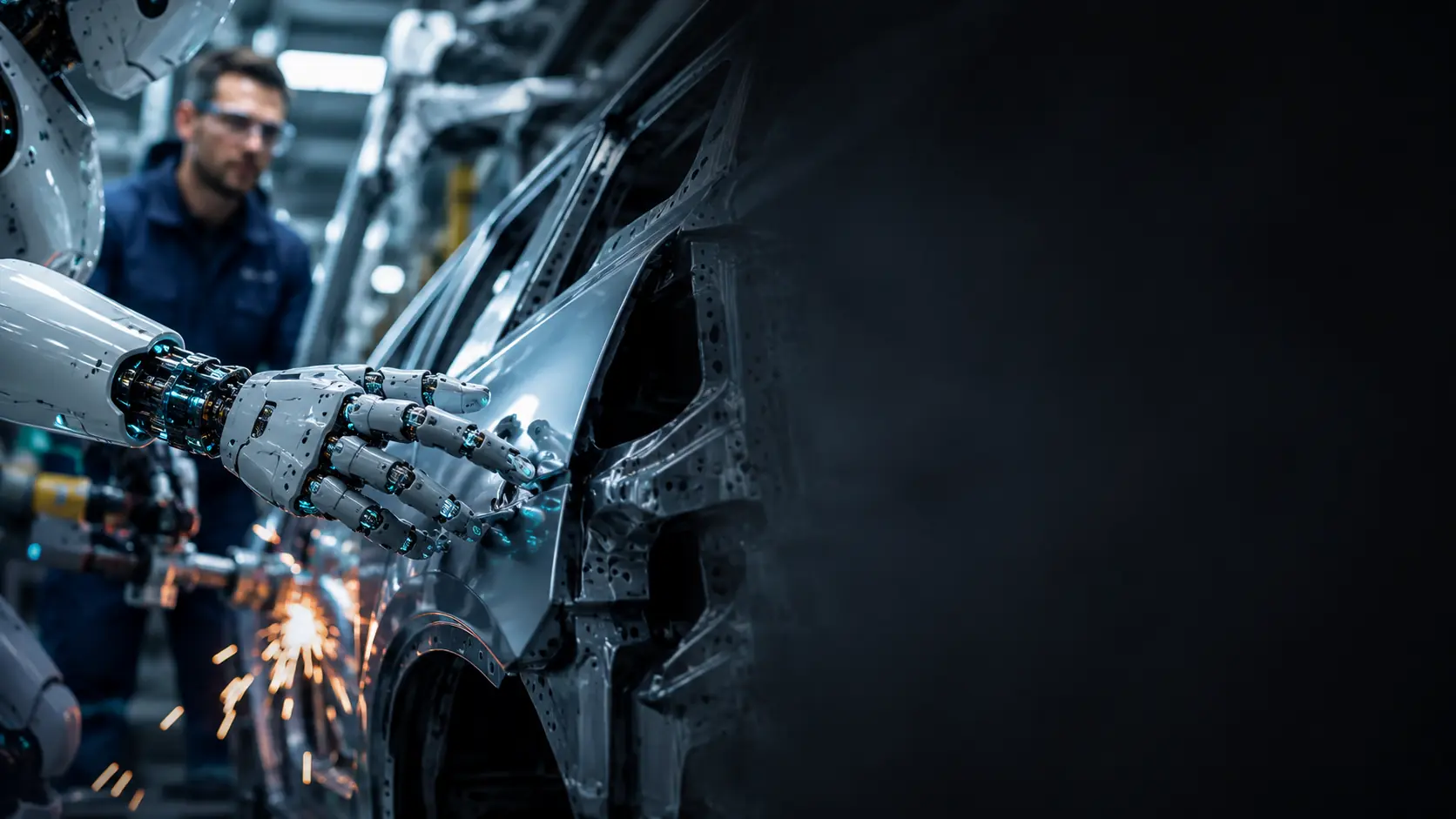
The same bottleneck we've seen in AI hardware applies here: the constraint isn't GPUs, it's components. On the patent front, Morgan Stanley data shows China filed 7,705 robotics patents over five years, five times the U.S. total. That lead doesn't dissolve overnight.
Capital is flowing in. Nvidia's $40 billion in AI equity investments, with Isaac and GR00T as the platform layer, reflect how seriously the chip industry is betting on physical AI. For a broader view, our artificial intelligence section covers the landscape, including China's model strength as demonstrated by DeepSeek.
Where Humanoid Robots Are Working Today
These aren't trade-show demos. Figure 03 is deployed at BMW's Spartanburg plant, where the robot fleet helped assemble more than 30,000 vehicles over eleven months, with a 99% task success rate and a billing rate of around $25 per robot-hour, according to company reporting. Digit by Agility Robotics is operating in Amazon warehouses. 1X NEO has surpassed 10,000 pre-orders for home use.
A $20,000 general-purpose robot that replaces your washing machine, vacuum, and dishwasher in one device sounds appealing. It also opens a serious conversation about the labor market, one we explored in our piece on AI and work for freelancers and SMEs. The tech frontier is moving on multiple tracks, from robotics all the way to longevity and AI in healthcare. The sector reference is the International Federation of Robotics.
 IFR International Federation of Robotics
One detail tempers the hype. The 1X NEO, at launch, isn't truly autonomous: for tasks it can't handle, a human operator supervises remotely, and each session becomes training data. Tesla, for its part, halted Model S and Model X production in January to free up floor space for the Optimus Gen 3 line at its Fremont factory.
Musk talks about 10 million units per year. The reality of 2026 is measured in tens of thousands. Between the promise and genuine autonomy, there's still a person behind a screen. The robot walks on its own. Thinking on its own is the next frontier.