

On April 17, 2026, French Finance Minister Roland Lescure said something at a Paris crypto conference that would have been unthinkable just months earlier: Europe needs more euro-denominated stablecoins. This was not a tweet from an anonymous influencer. It was a minister, at a microphone, in front of bankers and industry leaders. The euro stablecoin race is now officially on.
Paris Pivots: Europe's Stablecoin Strategy Reversal
France's official position was, until recently, sharply restrictive. Lescure's predecessor Bruno Le Maire had publicly declared that private stablecoins had no "place on European soil," framing them as threats to monetary sovereignty. That position has now reversed entirely. Lescure not only opened the door — he explicitly urged EU banks to accelerate on tokenized deposits and new euro-pegged tokens. His assessment of the current situation was blunt: euro stablecoin volumes compared to dollar equivalents are "unsatisfactory." This is a before-and-after moment in European regulatory narrative.
Hong Kong has taken an important step forward with the launch of the HKMA's stablecoin licensing regime - a strong signal for the future of regulated digital money in Asia. Congratulations to the companies leading from the front and helping build this next chapter of compliant…
— qivalis (@qivaliseu) April 13, 2026
Qivalis: 12 European Banks, One Euro Stablecoin
At the center of the announcement is Qivalis, a consortium founded in Amsterdam that brings together twelve major European banks: ING, UniCredit, BNP Paribas, BBVA, Banca Sella, CaixaBank, Danske Bank, DekaBank, KBC, Raiffeisen Bank International, SEB, and DZ Bank. The CEO is Jan-Oliver Sell, former head of Coinbase's German operations; the supervisory board chair is Sir Howard Davies, previously Deputy Governor of the Bank of England.
The token will be pegged 1:1 to the euro, with reserves composed of at least 40% bank deposits and the remainder in short-term European government securities. Launch is expected in the second half of 2026, pending an EMI license from the Dutch central bank — fully compliant with the MiCA regulatory framework, the EU's landmark Markets in Crypto-Assets regulation that sets binding rules for stablecoin issuers across all 27 member states.
Dollar Dominance On-Chain: The Numbers That Matter
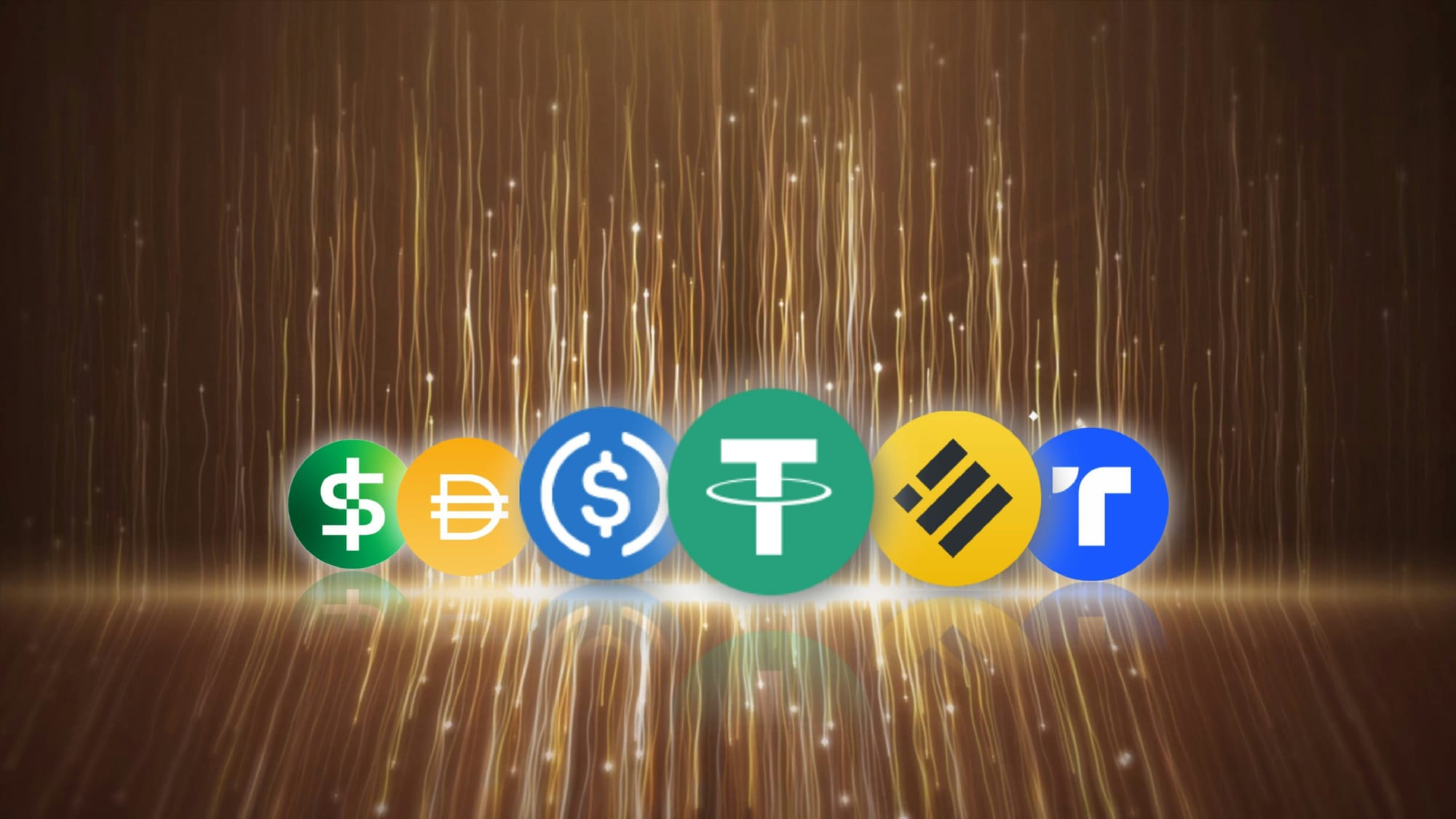
The data is stark. Tether alone circulates at over $185 billion. Total dollar-denominated stablecoins exceed $310 billion. Euro stablecoins? Still under $1 billion combined. Société Générale's euro stablecoin — the only significant one already live — has just €64 million in circulation. Jan-Oliver Sell captured the problem in a single number: the euro accounts for 20–25% of traditional global financial activity, but just 0.2% of on-chain transactions. "That's a huge disconnect," he said. The risk has a name: "digital dollarization" — the process by which, if Europe fails to build its own euro-denominated blockchain infrastructure, it will be forced to operate on American rails indefinitely.
This is a story SpazioCrypto has followed closely: from analysis of the kill switch proposed by Italy and Germany against foreign stablecoins to the first stablecoin licenses granted by HSBC in Hong Kong — the battle for digital monetary sovereignty is already underway.
What to Watch Next in the Euro Stablecoin Race
Qivalis has already launched advanced negotiations with exchanges, market makers, and liquidity providers to ensure operational listings from day one. The stated goal is to become the default euro token on regulated exchanges, institutional custodians, and DeFi platforms. RBC Capital Markets data shows two-thirds of European banks still perceive demand as limited — but when a finance minister makes this public a commitment, markets tend to move. The push this time comes from the top. And in Europe, once political momentum builds behind a financial infrastructure project, it rarely reverses.