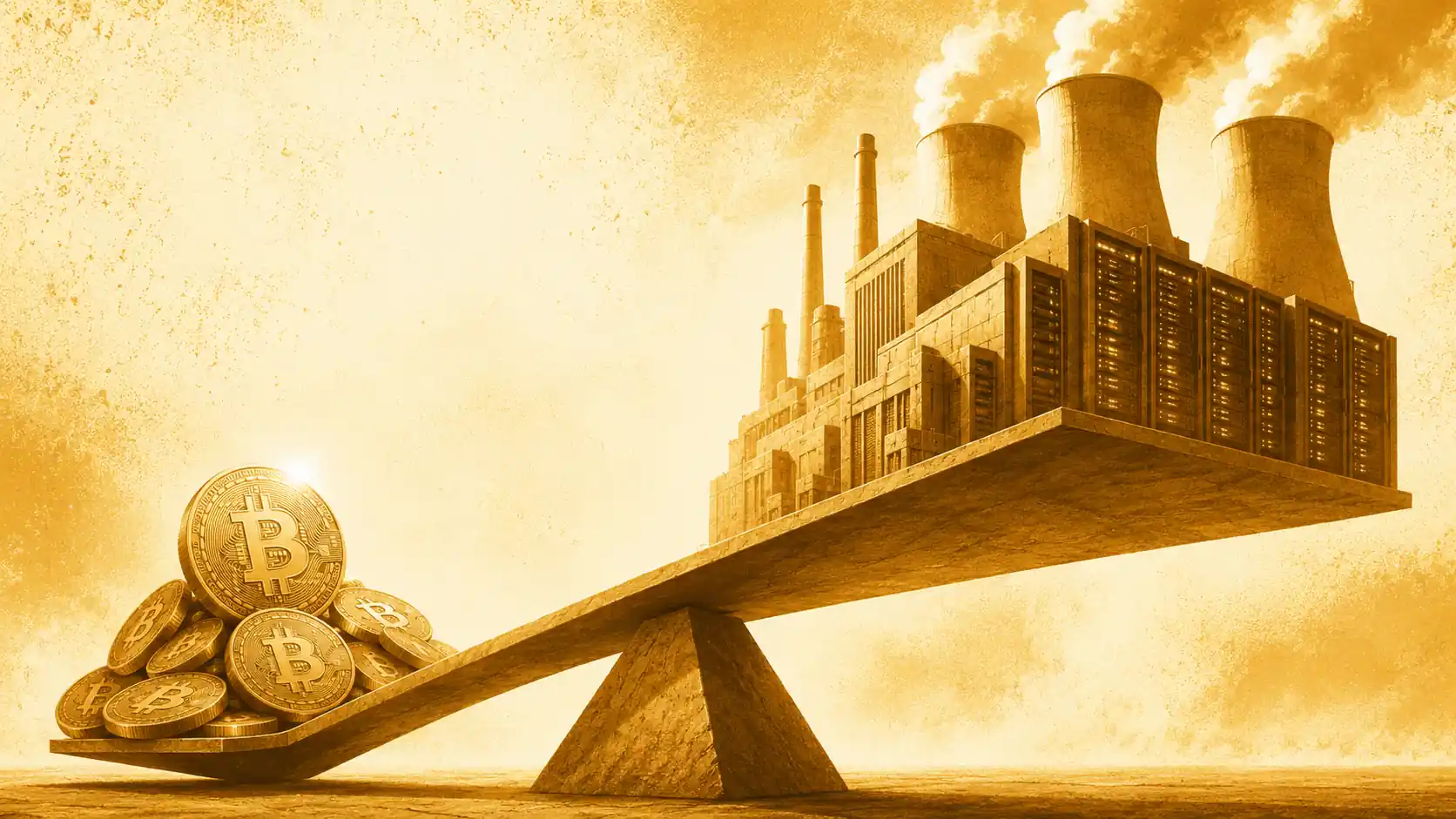


TeraWulf is valued at roughly $12 billion. A single contract it just signed is worth $19 billion. That gap tells the whole story of what is happening to Bitcoin miners right now: they are not dying under a weak market. They are becoming something else entirely, and Wall Street has not caught up yet.
What Happened With TeraWulf and Cipher Mining
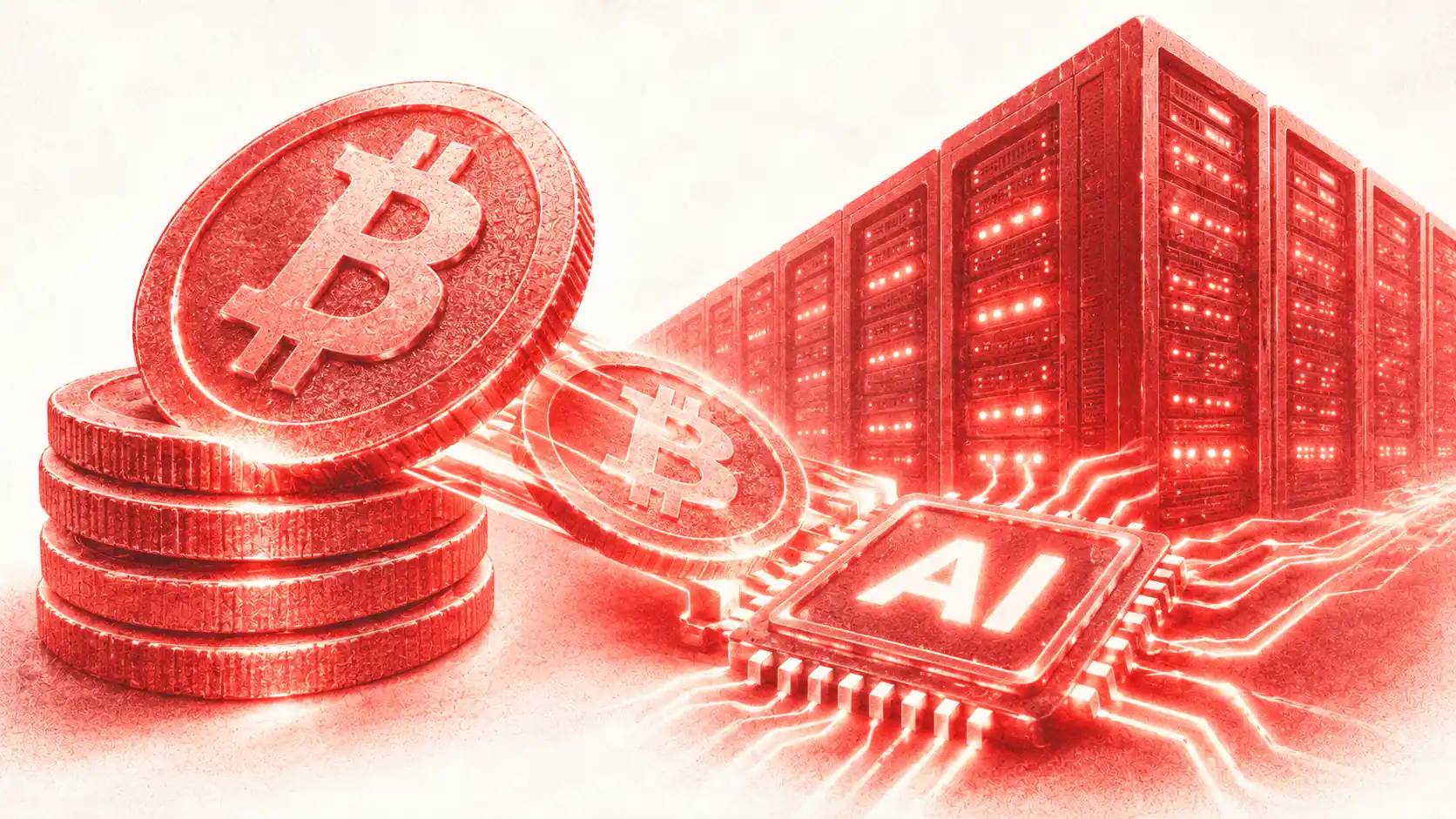
TeraWulf, once a pure Bitcoin miner, signed a 20-year lease with Anthropic to supply roughly 401 megawatts of AI data center capacity starting in 2027. According to TeraWulf's SEC filing, the deal is expected to generate approximately $19 billion in contracted revenue over its initial term, which is more than the company's entire market capitalization. This is not an isolated case. Cipher Mining signed a 15-year agreement with Amazon Web Services worth approximately $5.5 billion, plus a separate $7 billion deal with Fluidstack, as reported by CNBC.

The broader picture is staggering. By March 2026, Bitcoin miners had sold more than 15,000 BTC from their reserves and signed over $70 billion in AI computing contracts, according to sector analyst estimates. On July 9, Compass Point analysts put a spotlight on the situation, noting that companies like Applied Digital, TeraWulf, and Cipher Mining were trading below the value of contracts they had already signed.
Why This Matters: Power Companies in Disguise
The underlying logic is elegant. Artificial intelligence is hungry for one thing above all others: energy. Bitcoin miners spent years building exactly that: low-cost electricity at scale, grid connections, land, and cooling infrastructure.
After the most recent halving, with Bitcoin's price under pressure, mining margins compressed sharply. Hosting AI workloads, by contrast, pays a higher and more stable rent. The miner is revealed for what it always fundamentally was: a power company dressed as a crypto company. The costume changes, but the underlying asset, raw electricity capacity, stays the same.
The Revenue Flip
Estimated share of AI services revenue among publicly listed miners. Source: sector analyst estimates, 2026
The Mispricing: Value Them as Landlords, Not Miners
This is where the Compass Point analysis gets genuinely interesting. Their model proposes valuing these companies as real estate landlords collecting contracted rents, not as miners whose fortunes rise and fall with Bitcoin's price. The market, by contrast, continues to price them on Bitcoin, ignoring decades of already-signed lease revenue and the additional capacity still available to rent.
The transition numbers are striking. Sector analysts estimate that AI services could account for roughly 70% of listed miners' revenue by the end of 2026, up from 30% at the start of the year. The next 24 months, covering facility construction and the start of lease payments, are the real catalyst. It's the same capital rotation away from crypto toward AI that drained the sector in the first half of 2026, but seen from the other end of the pipe.
 Brian Sullivan and Spencer Kimball
The Other Side: This Isn't a Free Trade
Honesty demands balance here. Building data centers is a fundamentally different business from mining Bitcoin. It requires enormous capital, long lead times, and operational expertise that most mining teams are still assembling. A contract is only worth what a company can actually deliver against it.
Concentration risk is real. These companies' fortunes now depend on a handful of tenants: Anthropic, AWS, Fluidstack. The financial engineering is clever but cuts both ways. Often a major anchor tenant like Google guarantees lease payments, letting the miner pledge the contract as collateral for cheap debt. That works fine in calm conditions, but it adds leverage to an already complex balance sheet. Not everyone is pivoting, either. Pure-play miners who have stayed the course continue to grind against Bitcoin's price volatility.
The Bigger Picture
For crypto investors, there's an irony worth sitting with. The money that left the crypto sector in the first half of 2026 didn't fully exit the building. Part of it is flowing through the very infrastructure that crypto built, now repurposed for AI. The best crypto-adjacent investment today might be one where Bitcoin barely matters.
This is the most concrete evidence yet that the convergence of AI and crypto is not just about tokens and applications. It's physical: megawatts and steel. Whether the market reprices these companies accordingly will become clear over the next two years. All underlying documents remain verifiable in filings submitted to the SEC and on the official TeraWulf website.