

Securitize, which manages over $4 billion in tokenized assets, debuts on the New York Stock Exchange on July 2 under the ticker SECZ. Real-world asset tokenization has officially arrived on Wall Street, not as a speculative token listing, but as regulated financial infrastructure.
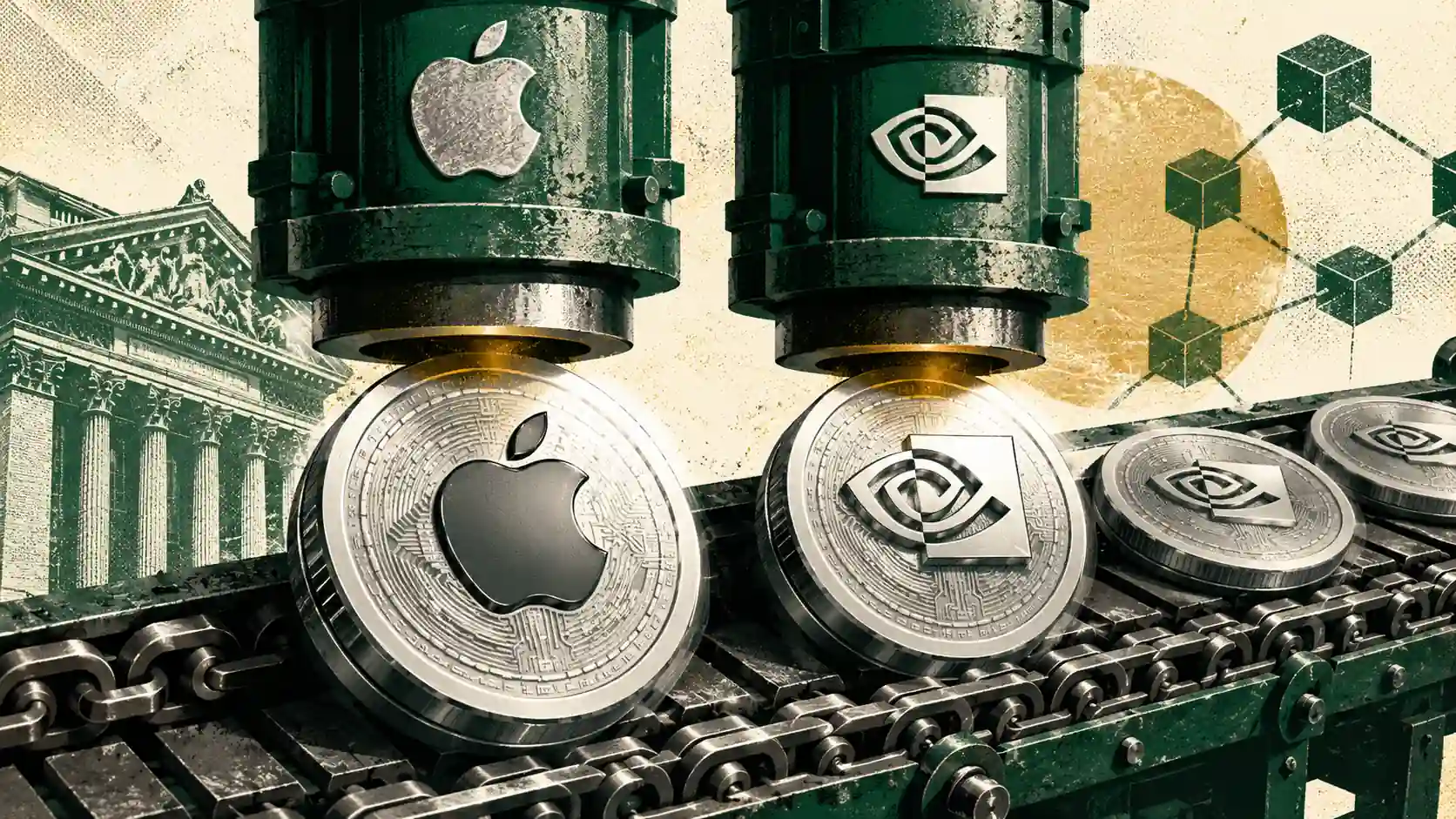
This isn't a cryptocurrency going public. It's the plumbing that moves funds, bonds, and private credit on-chain. That distinction matters more than it might seem.
The Deal Structure
Securitize reaches the public markets through a merger with Cantor Equity Partners II, a SPAC vehicle sponsored by an affiliate of Cantor Fitzgerald. Shareholders approved the deal on June 29, closing is expected on July 1, and trading under the ticker SECZ begins on July 2.
According to filings with the SEC, the transaction raises approximately $400 million at a pre-money valuation of $1.25 billion, making Securitize the first pure-play tokenization infrastructure company to list on a major U.S. exchange.
A $400 Million Raise
Source: Securitize and Cantor Equity Partners II press releases, June 2026
- Oversubscribed PIPE: approx. $225M
- Trust retained: approx. $175M
One detail stands out in the structure: fewer than 30% of SPAC shareholders chose to redeem their shares, leaving more than 71% of the trust intact. At a time when SPAC redemption rates routinely exceed 80%, that's a genuine signal of institutional conviction, not a quiet exit.
Who Is Securitize
Functionally, founded in 2017 and led by CEO Carlos Domingo, Securitize is not a speculative startup. The company has built a fully regulated stack that includes a SEC-registered broker-dealer, a transfer agent, and a supervised alternative trading system, with authorization also under the European DLT Pilot Regime.
Securitize manages over $4 billion in tokenized assets across more than 650 funds, working with institutional partners including Apollo, BlackRock, BNY, Hamilton Lane, KKR, and VanEck. BlackRock's BUIDL tokenized fund sits at the top of the stack. The business model is fee-based: revenue scales with assets on the platform, not with crypto prices. In Q1 2026, Securitize reported revenue of $19.5 million, up 39% year-over-year per the company's own disclosures.
Why This Matters for Real-World Assets
A real-world asset tokenization infrastructure company achieving public-market scale is a structural data point, not just a corporate milestone. SECZ becomes the cleanest listed proxy for measuring RWA adoption, and its public valuation creates a pricing anchor that could reprice peers like Ondo and Maple.
The broader context is one of rapid expansion. Tokenized real-world assets surpassed $30 billion in 2026, according to data tracked by RWA.xyz, and projections from BCG and Ripple put the addressable market at $18.9 trillion by 2033. Even discounting those figures sharply, the opportunity remains worth trillions. For CEO Domingo, the listing delivers visibility, credibility, and capital to lead the sector's next growth phase. The RWA theme also intersects with momentum behind regulated stablecoins and ongoing work on the digital euro.
The Risks Worth Watching
Caution is warranted. The SPAC route carries execution risks, the full DTC settlement service is not expected to launch until October 2026, and the real test will be opening-day trading. That price, more than any pre-deal arithmetic, will show whether demand is genuine or simply anticipatory.
The timing is striking, though: precisely as institutional demand for spot ETFs retreats, the infrastructure that tokenizes traditional finance is choosing to go public. The underlying documents remain verifiable through SEC filings and the official Securitize website.
Securitize's NYSE debut on July 2 marks a genuine inflection point for the RWA sector. Investors watching SECZ's early trading performance will get a direct read on whether Wall Street is prepared to assign lasting value to tokenization infrastructure, or whether enthusiasm remains ahead of proven revenue scale. The October 2026 DTC settlement launch is the next concrete milestone to track.
This content is for informational purposes only and does not constitute financial advice. The instruments mentioned carry risks, including the risk of capital loss.