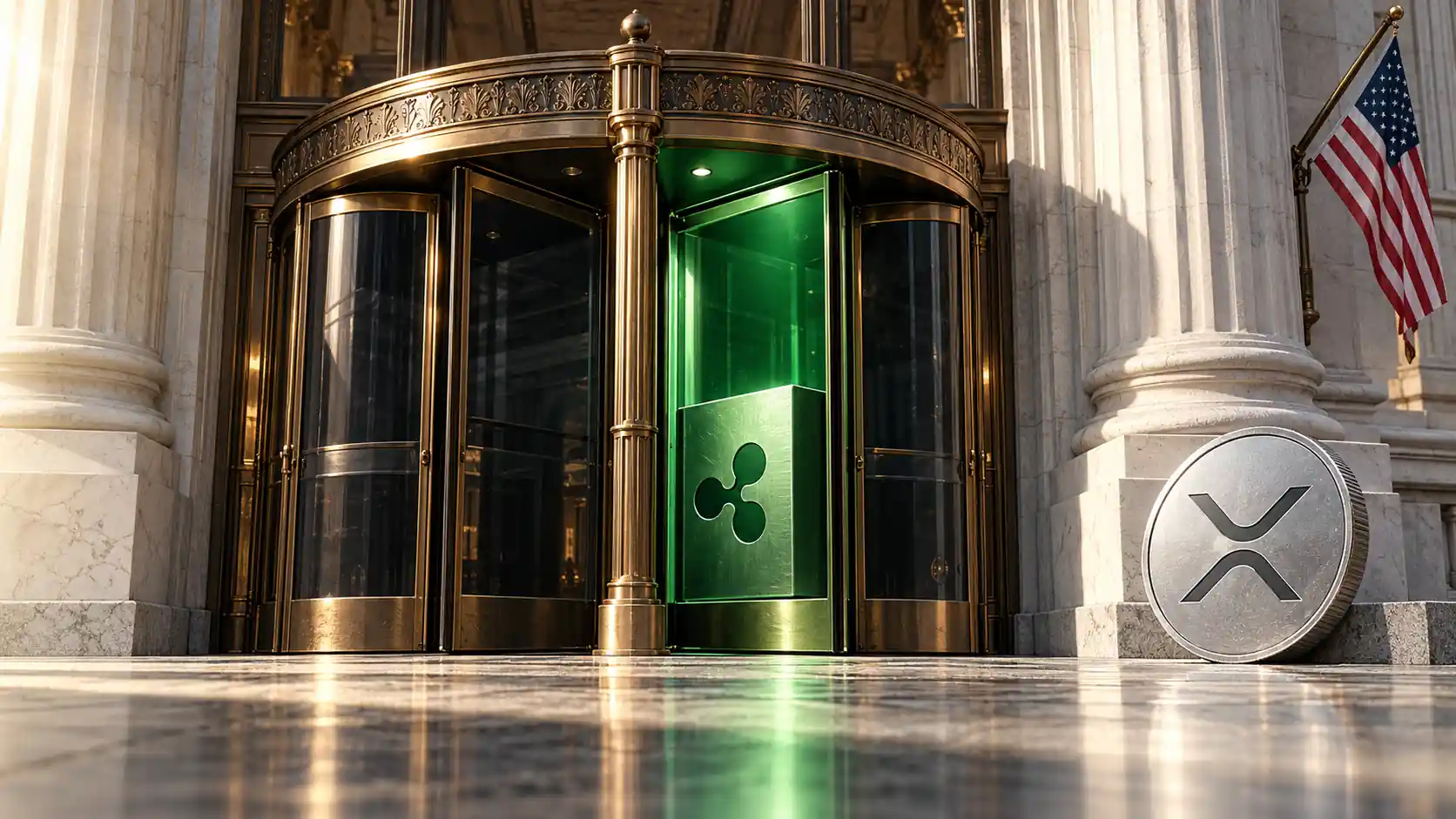


On April 15, 2026, XRP crossed a threshold that no ETF approval or institutional press release can replicate. A person opens the Rakuten Pay app, converts their loyalty points into XRP, and spends it at a convenience store. That is now live for 44 million active users across Japan.
Rakuten — Japan's dominant e-commerce and financial ecosystem, often compared to Amazon for its breadth — has officially integrated XRP into its Rakuten Pay app. Users can now buy XRP with Rakuten Points, hold tokens in the Rakuten Wallet, and spend them across more than 5 million retail locations in Japan. This is not a pilot. It is not a beta test. It went live today.
Loyalty Points Become Crypto: The Mechanism
The most structurally significant element here is not XRP's price — it is what happens to loyalty points. Rakuten's ecosystem currently holds over 3 trillion points in circulation, equivalent to approximately $23 billion. From April 15, those points can be converted directly into XRP.
A user who accumulates points through everyday Rakuten purchases — flights, electronics, hotel bookings, groceries — can now convert them into crypto and spend them at any Rakuten Pay-enabled merchant. This is one of the most structural integrations between legacy loyalty infrastructure and digital asset economics ever executed by a publicly listed company of this scale.
Rakuten's footprint in Japan is closer to Amazon combined with PayPal and a major bank. Its physical merchant network has been built over decades. Plugging XRP into that infrastructure is not a marketing stunt — it is a distribution event.
Hiroshi Kohrogi, a Ripple executive, described the integration as
one of the most significant milestones for XRP" and called its embedding in one of Japan's most trusted consumer brands "a powerful signal of where digital asset adoption is heading.
XRP Market Response and Key Technical Levels
XRP's price reaction to the launch was measured rather than explosive — which is often what genuine adoption news looks like. The token moved from $1.32 to $1.38 on expanding volume, a sustained drift rather than a vertical spike.
On-chain analysts tracking Binance data flagged something worth watching: XRP withdrawals hit 53% against deposits at 46%. That is the exact configuration recorded in June 2025, before XRP rallied 65% to its all-time high of $3.65. Binance's 30-day liquidity index for XRP is now at its lowest level since 2021, with volume declining to 3.77 billion tokens.
Low liquidity, quiet accumulation, and real mass adoption arriving simultaneously — the XRP market has not seen that combination in some time. The critical level to watch is $1.40. A daily close above that threshold with volume would open a path toward $1.60–$1.67. Key support sits at $1.37; below $1.32, the breakout thesis would need reassessment.
For broader context on Ripple's institutional strategy, read our analysis on Ripple and institutional DeFi on the XRPL and the Ripple-Mastercard deal and RLUSD.
Japan as Crypto First Mover: The Asia Narrative
Japan has a consistent track record of moving early on crypto adoption. This is the same country that brought crypto exchanges under FSA supervision in late 2025, and on April 10, 2026 — just five days before the Rakuten launch — approved the reclassification of cryptocurrencies as financial instruments, effectively placing Bitcoin, Ethereum, and XRP on equal legal footing with equities and bonds.
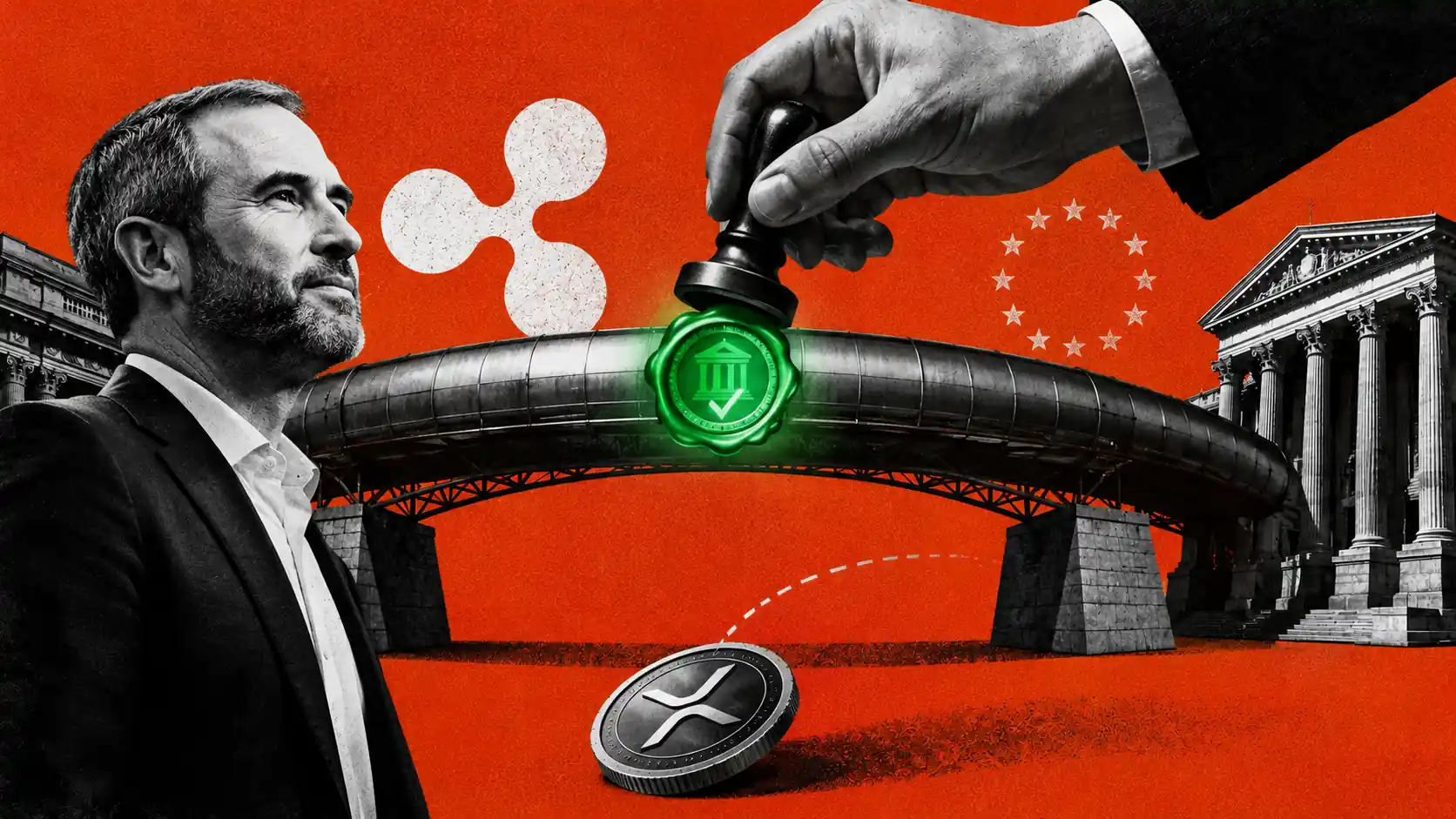
That regulatory clarity matters. It creates the compliance runway that allows a company like Rakuten to build XRP into its core payments product without legal ambiguity. From a European perspective, Japan's approach under the FSA offers an instructive comparison to MiCA — both frameworks seek to mainstream digital assets through licensing and classification, but Japan is operating at consumer scale first.
What Rakuten has done on April 15, 2026 is not incremental. Forty-four million users now have a native pathway to hold and spend XRP through infrastructure they already use daily. Watch the $1.40 level. Watch whether Rakuten's merchant adoption data surfaces in the coming weeks. And watch what other Asian platforms do next.