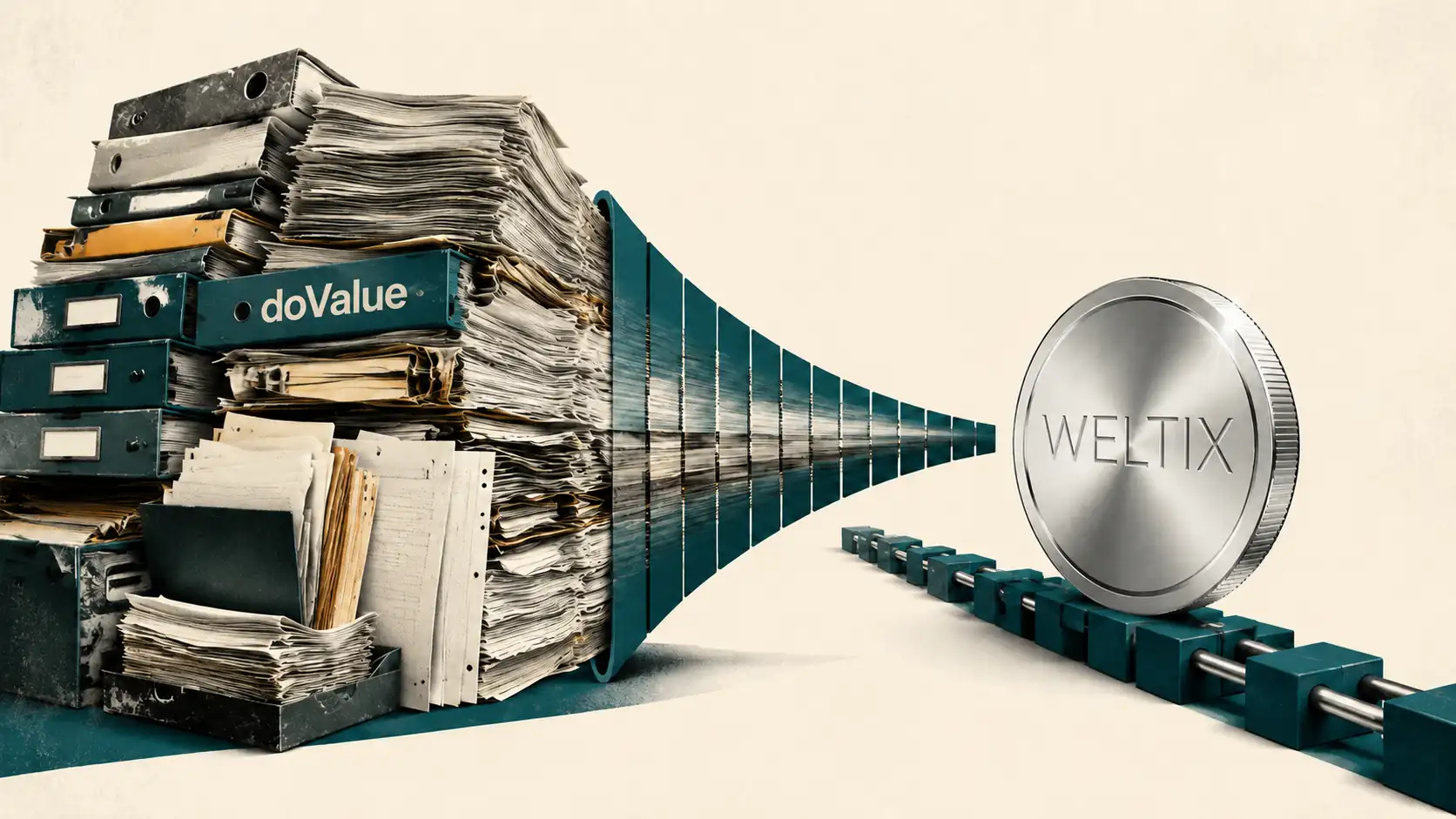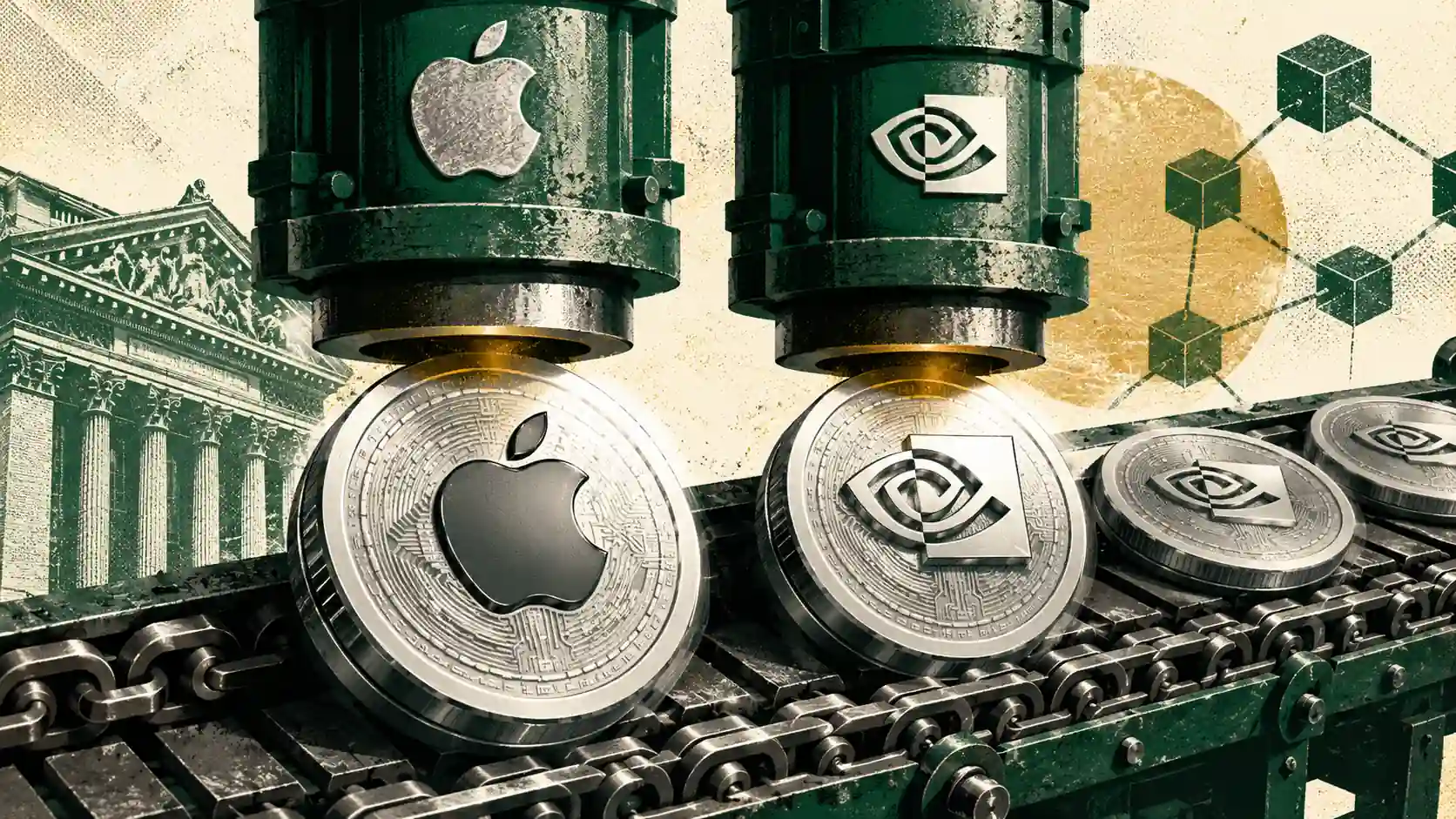


The news here isn't a token price move. It's about who just decided to put their data on a blockchain. Nasdaq, one of the world's largest exchanges, has taken its flagship market data feed on-chain for the first time, and the implications reach well beyond a single press release.
Most market observers reduced this to a footnote. That's a mistake. The story isn't about a price pump. It's about where financial infrastructure is heading.
What Happened on June 30
On June 30, Nasdaq joined the Pyth Data Marketplace as an official publisher, distributing its TotalView feed through an on-chain network. According to Pyth Network's official announcement, this marks the first time Nasdaq's market data has been distributed via a blockchain network.
TotalView isn't a simple price ticker. It carries the full order book: every bid and ask at each price level for securities traded on Nasdaq, NYSE, and regional markets, plus the order imbalance indicator used in opening and closing auctions. With a single integration, all of that becomes accessible to on-chain applications, digital asset exchanges, prediction markets, and trading systems, without traditional terminals or API contracts.
Who Publishes Data on Pyth
Over 135 institutions feed the network. Source: Pyth Network, June 2026
- Nasdaq (new)
- Euronext
- Tradeweb
- Singapore Exchange (SGX)
- OTC Markets
- Kalshi
- U.S. Department of Commerce
Why It Matters: The Real Battle Is Over Data
Functionally, this is the point that goes beyond the announcement itself. Data is the foundational input for everything that happens on-chain: DeFi protocols, prediction markets, real-world asset tokenization, and automated trading systems. For years, on-chain finance has been hampered by the absence of reliable institutional-grade data.
Nasdaq on Pyth closes that gap directly. The structural signal is what counts: the data layer is consolidating on blockchain, and it's worth as much as the assets themselves. This is also the same terrain where AI agents operate, requiring machine-readable market information to function autonomously. Without institutional data feeds, AI-driven on-chain strategies are effectively blind.
What Pyth Network Actually Is
Pyth is an on-chain financial data network, built originally as a price oracle for DeFi. According to Pyth Network's documentation, it aggregates feeds from over 135 institutions, including exchanges, trading firms, and market makers, covering equities, crypto, currencies, commodities, and futures. The network describes itself as a global price layer.
The PYTH token rose roughly 6% on the news, per CoinGecko data. The correct read, though, is more nuanced: this is a data distribution deal, with Nasdaq monetizing its TotalView feed for a new audience. PYTH benefits as the marketplace grows, not because the move creates direct token demand in any mechanical sense.
The Broader Context: TradFi Meets On-Chain Infrastructure
The convergence between traditional finance and blockchain is accelerating. Nasdaq had already explored the space, including tokenized equities in partnership with Kraken, but bringing its core market data on-chain is a different order of commitment. It places Nasdaq alongside Euronext, SGX, and Tradeweb as institutions actively feeding the on-chain data layer.
Three things are worth watching from here. First, whether Nasdaq expands to other datasets beyond TotalView. Second, whether latency and data quality hold up under real production conditions. Third, whether major exchanges in London, Tokyo, or Frankfurt follow suit. Each one that does raises the baseline for what on-chain applications can do. Full details remain verifiable on the official sites of Nasdaq and Pyth.
This content is for informational purposes only and does not constitute financial advice. The assets mentioned are volatile and carry the risk of capital loss.