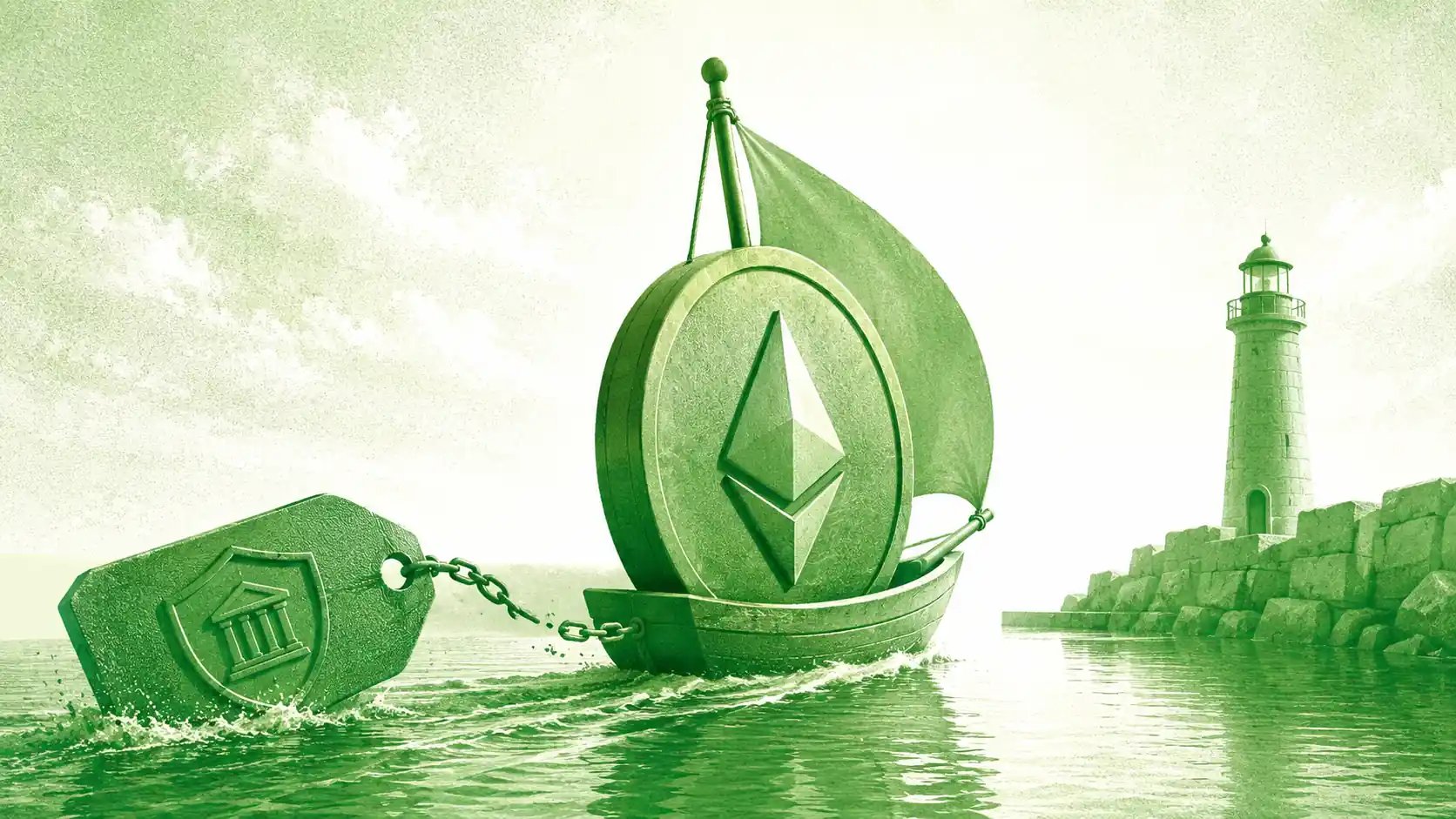


For months, the narrative was fixed: July 1, 2026 would be the day the rules arrived. The MiCA deadline, the countdown, on-chain finance finally stepping inside the regulatory perimeter. Then the day came, and it told a different story.
It wasn't the day the rules arrived. It was the day power moved to a different floor. Those who read only the deadline missed the real film. Those who looked carefully saw three deep structural shifts moving in unison.
First: Traditional Finance Claims the Rails
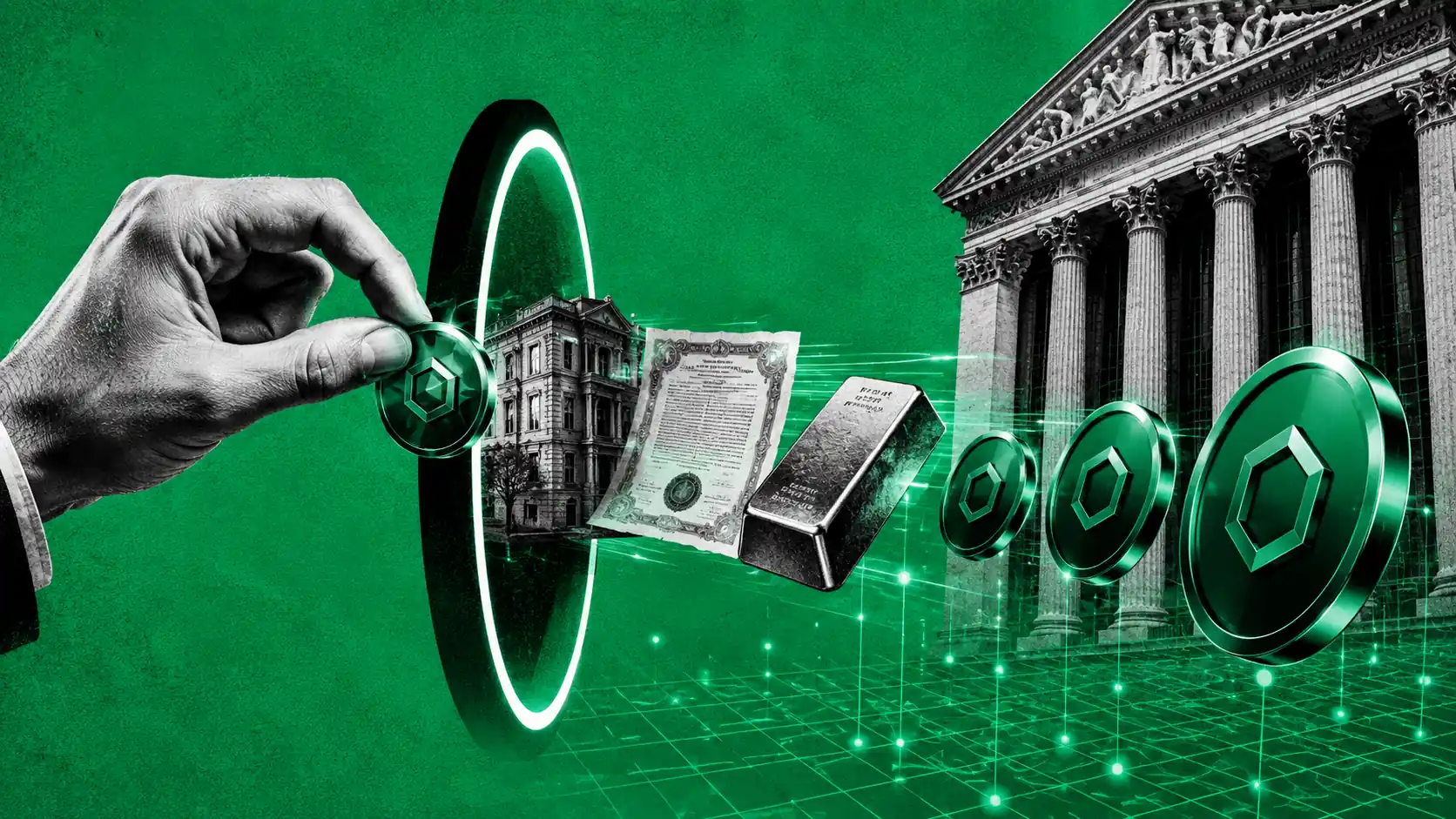
For years, the question was whether old-school finance would ever genuinely adopt blockchain. This week, that question became obsolete. Nasdaq brought its flagship market data feed on-chain via Pyth. The DTCC, the clearinghouse behind virtually every U.S. equity trade, confirmed the tokenization of its assets on Stellar. And Crédit Agricole put the euro on Ethereum, settling Europe's first tokenized fund.
DTCC and the Stellar Development Foundation announced today plans to enable the tokenization of DTC‑custodied assets on the @StellarOrg network. This collaboration advances DTCC's multi chain strategy and expands how traditional assets move across digital ecosystems.… pic.twitter.com/bdeX0JmDGY
— DTCC (@The_DTCC) May 27, 2026
These aren't experiments. These are the load-bearing pillars of the global financial system migrating data, securities, and currency onto rails they once considered enemy territory. In this context, MiCA wasn't the cage. It was the permission slip.
Second: Value Leaves Issuers and Flows to Distributors
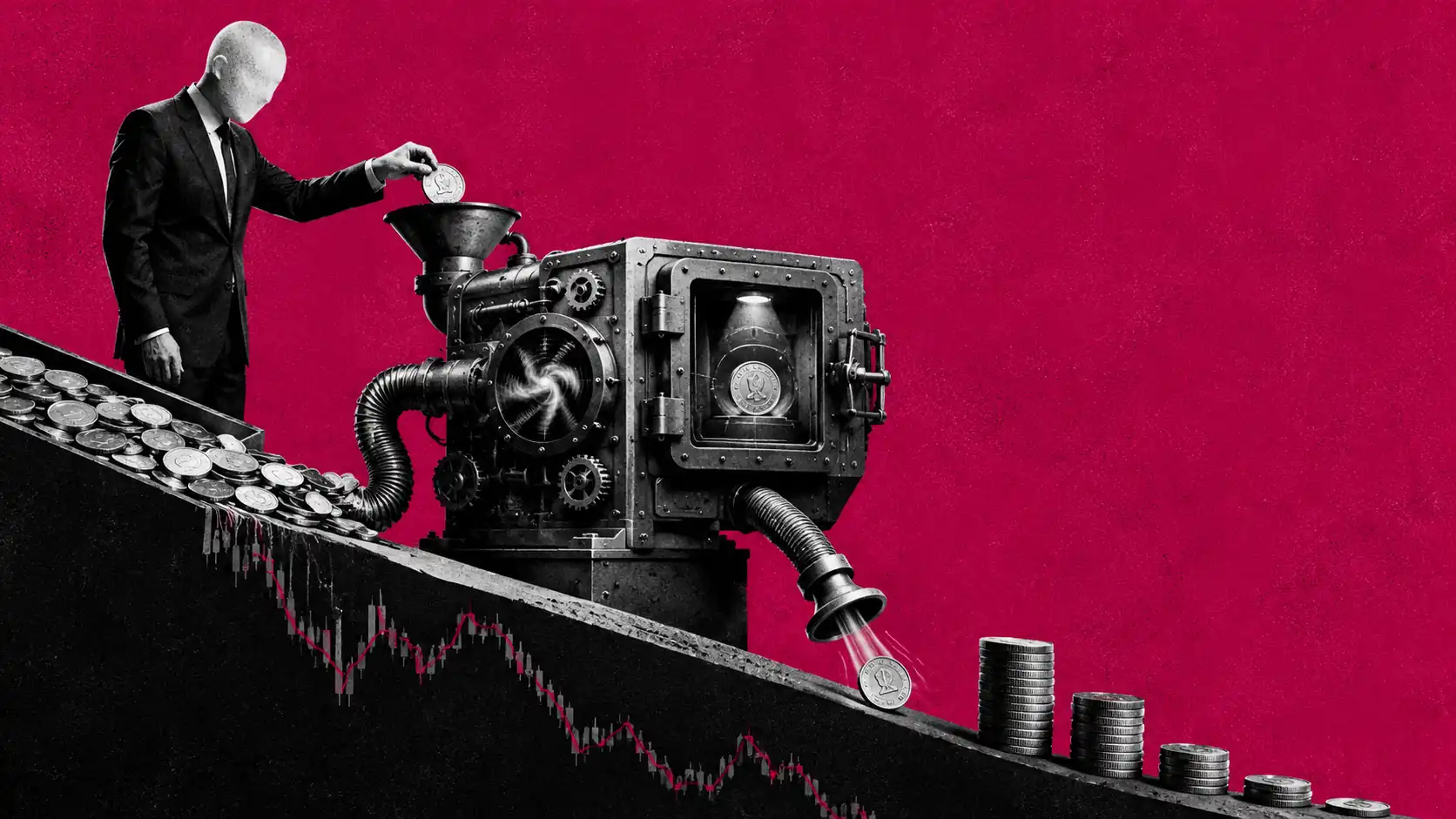
The week's sharpest blow didn't come from a token price move. It came from a business model. More than 140 companies, from Visa to BlackRock, launched Open USD, a stablecoin that returns reserve yields to distribution partners instead of retaining them centrally. Circle dropped 17% in a single session, according to Bloomberg market data, because that model attacks precisely the treasury engine that powers Circle's revenues.
On a roadshow through Asia and Europe, I am struck by investor fears of inflation. They are surprised when I suggest that inflation could break down in a big way, and not just because of oil prices. As measured by unit labor costs, inflation already is down to 0.5% YoY.
, Cathie Wood (@CathieDWood) June 24, 2026
That's the signal: value is migrating from those who issue to those who distribute and govern the rails. Ripple's MiCA license win reinforces the same dynamic. XRP fell even as the company celebrated, because the regulatory victory belongs to Ripple's payment infrastructure, not to the coin itself.
Third: From Tokens to Infrastructure
The same shift is running through everything else. While Bitcoin ETFs recorded their worst month of outflows on record and Strategy stopped buying Bitcoin, Ark Invest was moving in the opposite direction: buying infrastructure equity, not the underlying assets. Ethereum reorganized its own governance with the creation of EthLabs, shifting research responsibility from the Ethereum Foundation toward entities that hold ETH on their balance sheets. And crypto-native AI produced its first unicorn.
Capital isn't leaving crypto. It's descending one floor, to where the rails, data feeds, regulatory frameworks, and settlement networks are being built. Less spectacular than a price chart. That's precisely where the next cycle gets decided.
What This Means for Investors Watching Ahead
There's a thread connecting all of it, and it runs straight through European and U.S. markets alike. In a landscape where $400 million frauds coexist with Wall Street tokenizing its back office, the difference between who matters and who watches from the sidelines is made by clear rules and serious infrastructure. Europe, with MiCA fully operative and the first bank-issued euro on-chain already settled, isn't chasing for once. It holds a structural advantage worth playing.
July 1 didn't close a chapter with a deadline. It opened one where the contest is no longer about which token will rally, but about who owns the rails everything runs on. That's the frame worth keeping for the next six months, as regulators from the SEC to the FCA watch how European precedents travel westward.