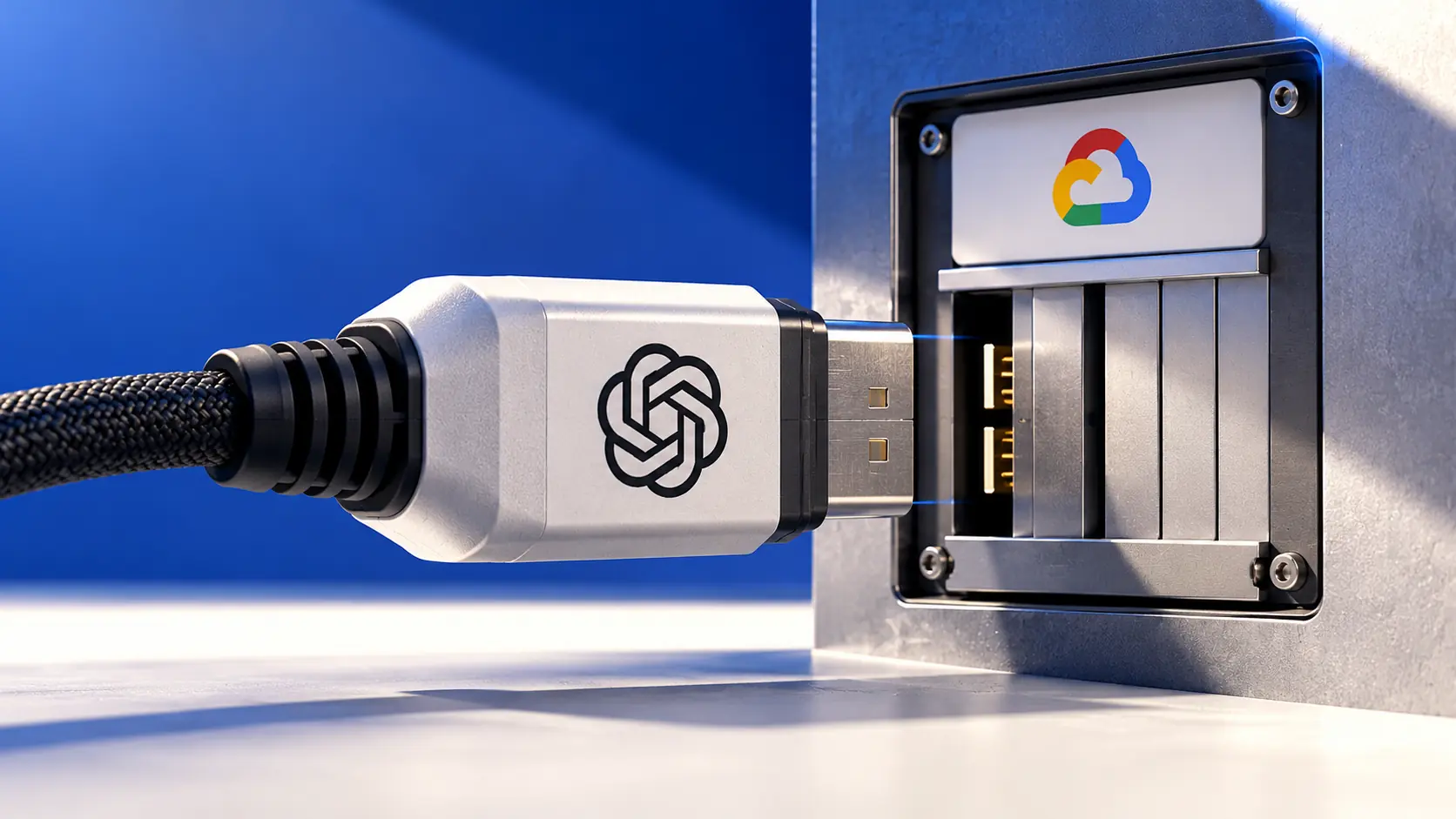


Within just a few weeks, between June and July 2026, four of the biggest names in crypto, MetaMask, Coinbase, OKX, and BNB Chain, shipped the exact same thing: digital wallets built not for people, but for software. For artificial intelligence agents. It's a sudden, coordinated sprint toward a market that, today, exists more in forecasts than in reality.
The thesis driving all of them is genuinely compelling: every AI agent, to operate in the real world, will need a crypto wallet. But it deserves a critical look, because between the promise and the actual numbers there's still a vast gap, and understanding it separates vision from hype.
MetaMask, Coinbase, OKX, and BNB Chain all shipped AI agent wallets in June 2026. The $3 — 5T agentic economy needs a payment layer that runs at machine speed. He#aiagentcryptowallets #agenticaipayments...Show more pic.twitter.com/qXIpC3lwPY
, HackerNoon | Learn Any Technology (@hackernoon) July 25, 2026
Why an AI Agent Needs Crypto in the First Place
Start with the reasoning, which is actually solid. Imagine an AI agent tasked with doing something in the real world: booking a service, purchasing data, paying for access to another piece of software. To do any of that, it needs to pay. But an artificial intelligence can't open a bank account. It has no legal identity, it won't pass anti-money-laundering checks, and it can't wait three days for a wire transfer to clear.
Traditional finance, in short, has slammed the door on AI agents. Crypto opens it back up. A digital wallet requires no documents, settles in real time, and can handle micropayments at fractions of a cent, the kind of tiny sums that would clog conventional payment rails entirely. This is the same principle Coinbase CEO Brian Armstrong defended in a March 9, 2026 post on X: crypto is the native payment infrastructure for software. The logic holds up.
 Sriram-Ramakrishnan
What Already Exists Right Now
This is where clarity matters most: separating what's real from what's promised. Because part of this economy, surprisingly, already works. Coinbase's x402 protocol, which lets an agent pay for access to an internet service in stablecoins with zero human involvement, had already processed roughly 150 million transactions worth approximately $50 million in its first nine months of operation.
Concrete examples exist. CoinGecko opened channels where an agent pays one cent per data request, no subscription, no login required. A platform called Olas runs a marketplace where agents pay other agents, having logged millions of software-to-software transactions without a single human in the loop. The number of agents registered with an on-chain identity, under a dedicated standard, is approaching 50,000. Not science fiction. Small, but real.
The Agentic Economy: Promise vs. Reality
What exists today and what is still a projection
- Real today: approximately 50,000 registered agents, around $50 million moved via x402 in nine months, sub-cent micropayments functioning in production.
- Still a projection: the $3 to $5 trillion “agentic economy” estimated for 2030. A forecast, not a fact.
Why the Giants Are All Racing at Once
Here's where the critical lens matters. If the real market is still small, why did four major players ship near-identical products in the same month? The answer isn't that the agentic economy has already arrived. It's that none of them can afford to finish second if it does.
This is a bet on infrastructure, the same logic that has driven every major technology race in history: lay the tracks before the train arrives, hoping everyone will eventually have to run on yours. Whoever controls the default wallet for AI agents, if those agents number in the billions, will collect a toll on every transaction they make. The potential prize is large enough that investing now makes sense even without a proven market. But that also means a meaningful part of this race is, frankly, a speculative bet: building for a future demand that might materialize in two years, ten years, or never quite in the shape anyone imagined.
Very soon there are going to be more AI agents than humans making transactions.
, Brian Armstrong (@brian_armstrong) March 9, 2026
They can't open a bank account, but they can own a crypto wallet. Think about it.
The Risks That Enthusiasm Hides
This is the part the triumphant narrative tends to skip. Handing autonomous software control of a wallet holding real money opens serious problems. What happens if an agent is tricked or manipulated into draining its own wallet? Who bears responsibility when an AI makes a wrong or unlawful payment? How do you stop a misbehaving agent operating on a decentralized network where transactions are irreversible?
None of those questions have clear answers today. They sit on top of a broader security risk: crypto's weak points are almost always at the human and permissions layer. An army of automated agents moving money multiplies the attack surface enormously. The very speed and absence of gatekeeping that make crypto ideal for machines also make it dangerous when something goes wrong.
The Bigger Picture
What to take from all of this. The core thesis, that machines will need a native financial system and that crypto will be it, is probably correct, and it could turn out to be one of the most consequential applications of blockchain technology ever built, more significant than trading or speculation. On that directional call, the giants are right to move.
Smart money used to mean knowing the right people, being in the right rooms.
, BNB Chain (@BNBCHAIN) July 1, 2026
Now it means having the right agents.
For years, building one took five tools, four logins, and a painful month of work. Today, it takes just a single prompt.
BNB Agent Studio is live on BNB Smart… pic.twitter.com/Ksdmz84ZgA
But being right about the direction and knowing when and how it arrives are two very different things. That gap is where investor risk lives. Laying the tracks is smart; betting the train arrives tomorrow, at the exact station you designed, is something else entirely. The sprint by four major crypto platforms is a strong signal that something large is in motion. Tech history, though, is full of perfect infrastructure built for revolutions that arrived late or arrived differently. For now, the agentic economy is a real but small promise. The job of anyone watching it is to separate concrete progress from the noise of excitement. For a grounding overview of how AI and crypto intersect, SpazioCrypto's guide on artificial intelligence and Web3 is a good starting point.