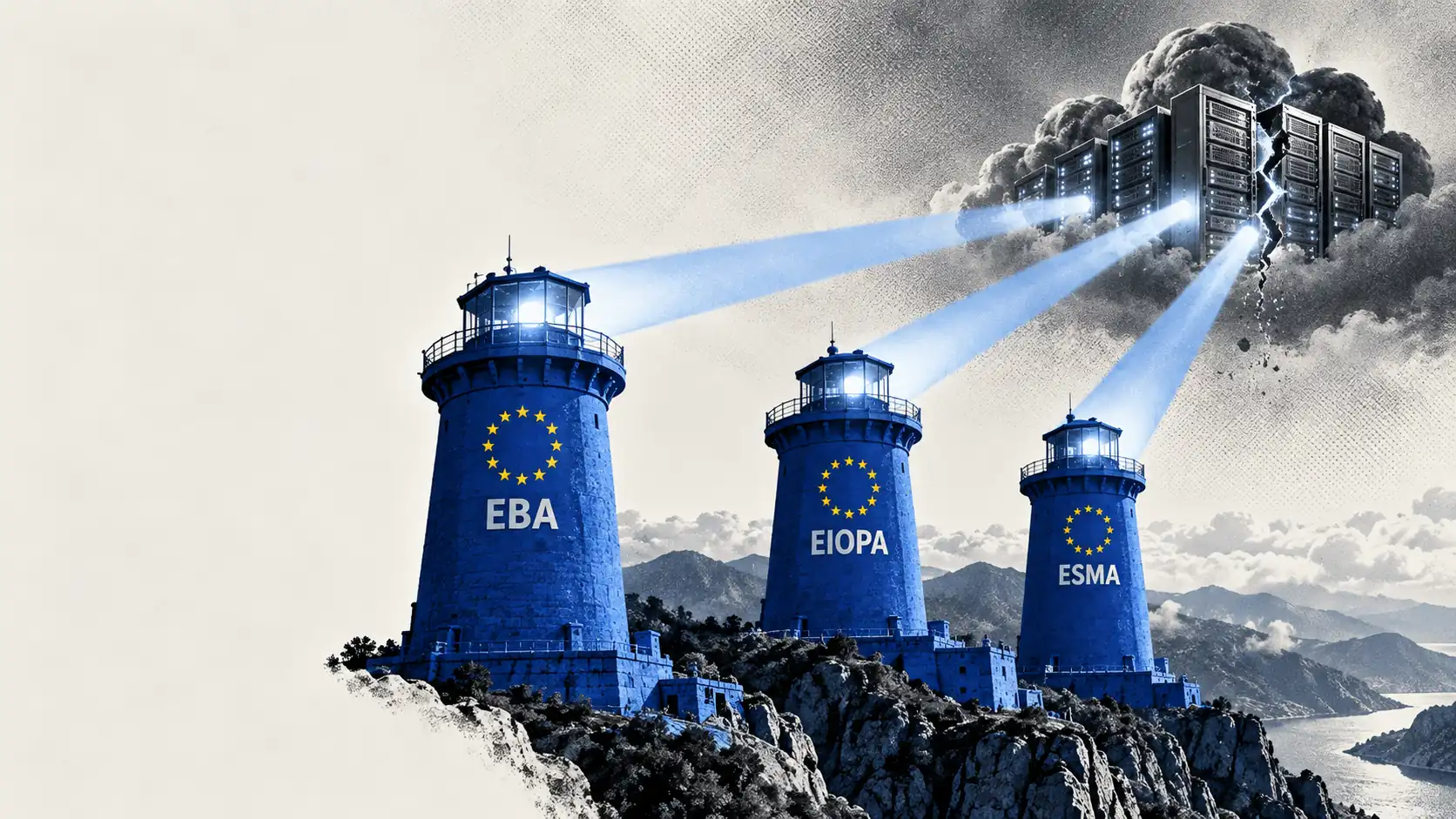


The European Union returned to work in Strasbourg after the summer recess. As is customary, European Commission President Ursula von der Leyen delivered her State of the Union address, one that carried particular weight given the surging influence of the far-right AfD party in her native Germany. Her central message: nationalist currents threaten to crack the Union apart, and visible acts of unity are now the essential counterweight.
The European project is under pressure from every direction. Isolationist waves are eroding the cohesion that took decades to build. Von der Leyen argued that holding the bloc together requires a dual commitment: continuing support for traditional sectors like agriculture, which still depend heavily on EU backing, while accelerating investment in artificial intelligence, a field where Europe is falling dangerously behind. The EU must stand for more than the Schengen zone and a shared currency.
The Digital Euro as a Unifying Lever
Unlike the United States, which chose to shelve its digital dollar project, Brussels remains committed to the digitalization of the euro. Officials have pointed toward an official launch in 2029, following a two-year experimental phase that will itself follow a pilot project set to begin next year.
The digital euro is, at its core, a bet on European monetary sovereignty. A public stablecoin capable of providing a credible counterweight to private dollar-denominated instruments would be a genuine strategic asset. More immediately, it signals coordinated intent among all 27 member states, a form of unity that many European politicians appear reluctant to demonstrate through any other means.
Currency digitalization was not the speech's central focus. Von der Leyen directed most of her attention toward financial priorities and investment decisions that need to happen quickly, particularly in artificial intelligence. Europe trails far behind the two dominant powers in this space: the United States and China.
Can AI Revive the European Economy?
The productivity gap between the Eurozone and the United States widened from $9 per hour worked in 2018 to $21 in 2025, according to a July 2025 monitoring report by the European Policy Innovation Council. That number illustrates the structural challenge von der Leyen is trying to address.
Artificial intelligence, in her assessment, could serve as a meaningful economic stimulus. Brussels has opened a call for up to seven AI Gigafactories, with a deadline of November 12. The scheme allocates a combined ceiling of 10 billion euros in European and national public funds, designed to mobilize up to 20 billion in private investment, reaching a total of 30 billion euros directed into a sector that continues to attract substantial capital flows, even as many observers share serious concerns about its trajectory.
Brussels will contribute roughly 5 billion euros, matched by a similar combined allocation from member states. Those figures look modest next to the scale of American ambition. U.S. hyperscalers, racing to outpace China in AI infrastructure, are planning total investments approaching $700 billion in 2026 alone, a figure that analysts at Bloomberg expect to rise further in subsequent years. Against that backdrop, the EU's 30-billion-euro envelope is not a competitive response. At this scale, the Commission's stated AI ambition risks remaining precisely that: an ambition.
Regulation: Where Europe Genuinely Leads
On investment, Europe chases. On regulation, Europe moved first. The AI Act, which entered into force in summer 2024, stands as the world's first comprehensive legislative framework for artificial intelligence. Its application follows a phased, graduated timeline, though there is a real risk it becomes outdated against the sector's pace of development.
The regulatory question is also playing out in Washington. A pointed confrontation has emerged between Donald Trump, who is pushing hard for sweeping AI deregulation, and the executives of major AI development companies, who are arguing for the opposite: rigorous, enforceable rules that create legal clarity for long-term investment.
This tension creates an opening for Europe. A well-governed environment where research and development can proceed within a clear legal framework may prove more attractive to serious developers and engineers than an unregulated free-for-all. Professionals working on advanced generative AI models may well prefer the predictability of a regulated market over the volatility of a technological frontier with no guardrails. Whether Brussels can convert its regulatory head start into actual talent and capital attraction is the defining question for EU AI policy in the next three years. The November 12 Gigafactory deadline and the digital euro's 2029 target date are the two concrete milestones worth watching.