Skip to content

Bitcoin as Bank Collateral: South Korea's First BTC-Backed Business Loan

South Korea's Jeonbuk Bank has issued its first Bitcoin-backed business loan, using third-party custody and court-ordered liquidation. Key terms remain…

5 min read How we work

Bitcoin as bank collateral is no longer theoretical in South Korea. Jeonbuk Bank, a regional lender controlled by JB Financial Group, has begun offering won-denominated loans to businesses using Bitcoin as collateral, according to reporting by the Edaily newspaper on October 12, picked up by Bitcoin Magazine, Cointelegraph, and Unchained. This marks the first reported case in South Korea's banking system. A bank representative confirmed to local press that one loan has already been disbursed, without naming the borrower. The loan amount, interest rate, and loan-to-value ratio have not been disclosed.

SpazioCrypto was unable to access the original Edaily article directly, so this report draws on the three outlets that cited it. The bank has not issued a press statement on the operation, and Cointelegraph noted it had received no response from JB Financial Group at the time of publication.
#digitalassets #bitcoinlending #cryptobanking #rwa #tokenization #금융규제 #가상자산 #디지털자산 #담보대출 | Iris Park
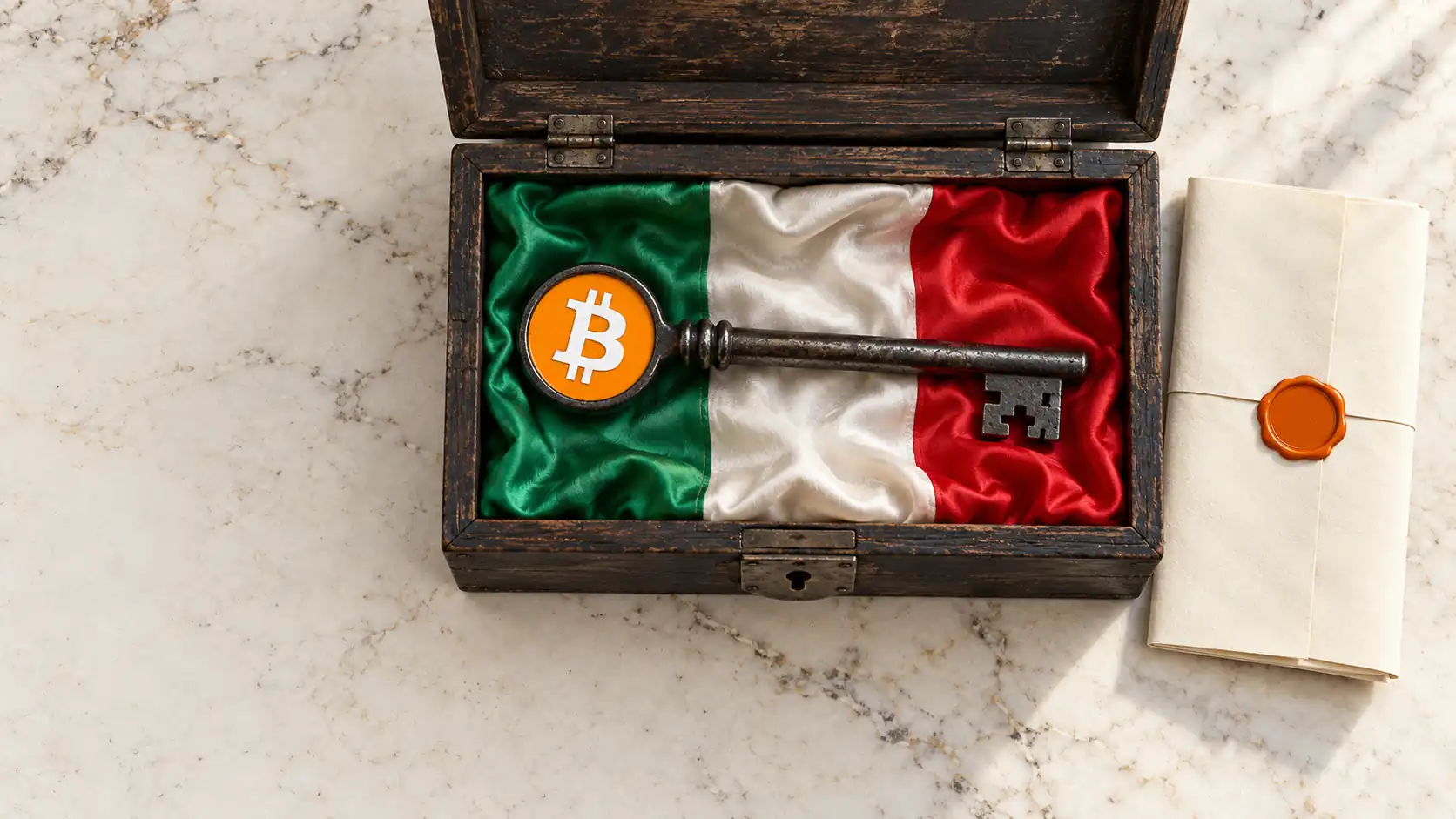
비트코인 담보대출, 규제가 아직 정비되지 않은 한국에서 어떻게 가능할까? 전북은행이 국내 은행권 최초로 비트코인 연계 대출을 선보였습니다. 스위스의 시그넘뱅크(Sygnum Bank) 등 해외 크립토 금융기관에서는 이미 비트코인을 담보로 법정화폐를 대출하는 서비스를 제공하고 있습니다. 비트코인 담보대출에서 금융기관이 고려해야 할 핵심은 크게 두 가지입니다. 1. 비트코인의 담보가치를 어떻게 평가할 것인가? 비트코인은 부동산과 달리 실시간으로 가격이 변하고, 단기간에 큰 폭으로 하락할 수 있습니다. 따라서 금융기관은 복수 거래소의 시장가격, 거래 유동성, 가격 변동성 등을 종합해 담보가치를 산정하고, 일정한 담보인정비율(LTV)을 적용합니다. 예를 들어 비트코인 10억 원을 담보로 LTV 50%를 적용하면 대출금은 5억 원입니다. 이후 비트코인 가격이 30% 하락하면 LTV는 약 71%까지 상승합니다. 이 때문에 해외 크립토 금융기관들은 담보가치를 지속적으로 모니터링하고, 일정 기준을 초과하면 추가 담보를 요구하거나 담보를 처분하는 방식으로 위험을 관리합니다. 여기서 중요한 것은 단순히 현재 시장가격이 아니라, 가격 급락 시 얼마나 '신속하고 안정적으로 담보를 현금화할 수 있는가'입니다. 2. 국내 은행은 어떤 법적 근거로 비트코인 담보대출을 실행할 수 있을까? 국내에는 아직 Major banks elsewhere are moving in the same direction. In October 2025, JPMorgan announced, according to Bloomberg as cited by The Block, that it would accept bitcoin and ether as collateral from institutional clients. Bitcoin Magazine reports the service launched in March 2026 and also mentions Swiss bank Sygnum. The Herald cites an estimate from an SVB report placing the global crypto-backed lending market at $67 billion, up 49% year-over-year.For companies holding bitcoin, the choice comes down to selling or borrowing against it. Miner MARA pledged half its bitcoin holdings to secure $750 million in financing, while other firms opted to sell outright: Strategy offloaded 1,638 bitcoin, and Hyperscale Data sold 685 bitcoin to fund a data center. South Korea, separately, is rethinking the relationship between traditional currency and digital assets on multiple fronts, as illustrated by the Bank of Korea's study on how dollar-denominated stablecoins enter the foreign exchange market.Timeline of Bitcoin as bank collateral across South Korea, the United States, and Italy from 2017 to October 12, 2026What About Italy?The contrast with Italy's ongoing debate is instructive. In late September, attorney Antonio Di Giorgio, speaking at an event held at the Chamber of Deputies, proposed classifying Bitcoin as property under the Italian Civil Code and establishing clear rules on delivery and priority rights, as a path toward legally enforceable bitcoin-backed lending. South Korea resolved the same problem from a different angle: through judicial rules governing the seizure and sale of digital assets, paired with a custodian kept structurally separate from the lending bank. This publication's reading is that the Korean model closely resembles a mechanism already present in the Italian Civil Code, whereby the pledged asset is delivered to a third party designated by both parties. For bitcoin, that third party is the custodian controlling the private keys, as explained in our guide to cryptocurrency custody. The pivotal step in Korea was establishing exactly how collateral converts to cash when a borrower defaults. That is the same legal certainty Italy's proposal seeks to provide through delivery and priority rules.Jeonbuk Bank and Bitcoin: At a GlanceWhat is confirmed, what is notConfirmed: won-denominated loans to corporate clients only, secured exclusively by bitcoin, with a registered external custodian and court-supervised liquidation in the event of default; one loan already disbursed per a bank representative; revised civil enforcement rules in effect from October 1.Not disclosed: loan amount, interest rate, loan-to-collateral ratio, identity of the custodian and borrower; no official statement released by the bank.To watch: other Korean banks, any potential expansion to retail clients or alternative assets, the first court-supervised liquidation under the new rules, and progress on Italy's Civil Code amendment proposal.The Bigger PictureThe most significant aspect of the Korean case isn't that a bank accepts Bitcoin. It's the structural architecture behind that decision. Credit, custody, and enforcement are three distinct functions assigned to three separate parties: the bank lends and assesses risk, a registered custodian holds the keys, and a court handles liquidation if the borrower defaults. This three-way separation is precisely what makes the model replicable, because no bank needs to develop in-house crypto custody capabilities in order to accept digital assets as collateral.The signals worth tracking are specific, though will other Korean banks follow? Will Jeonbuk Bank extend the service to retail clients or other asset classes? How will the first court-supervised liquidation under the October 1 rules play out? And in Italy, will the proposed Civil Code amendment advance through parliament? For now, Korea has a transaction reported as already executed, Italy has a legal discussion. The difference comes down to whether rules exist that make collateral enforcement predictable and binding.
Timeline of Bitcoin as bank collateral across South Korea, the United States, and Italy from 2017 to October 12, 2026
Promotional content