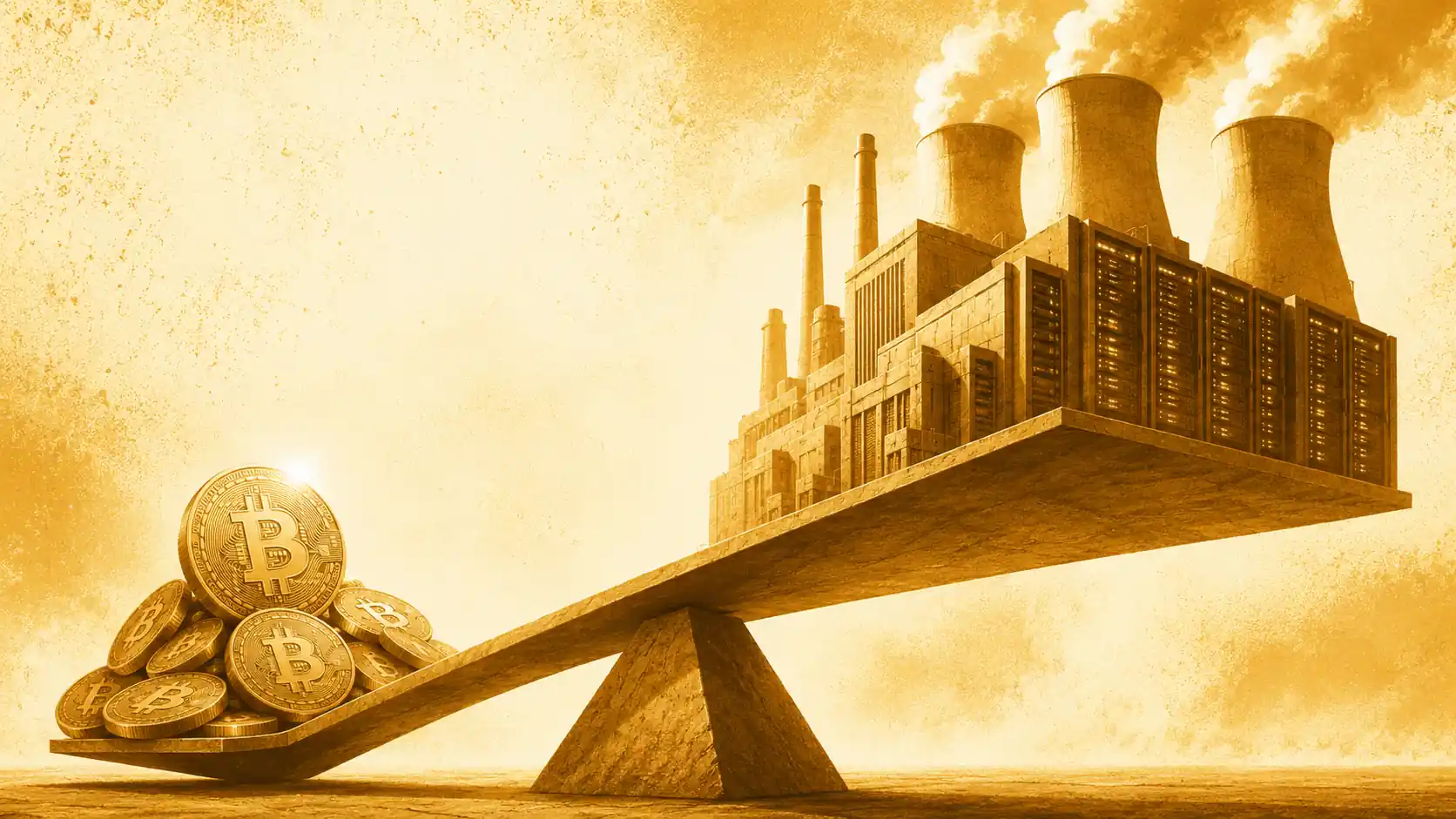


Hyperscale Data sold 685 bitcoin for approximately $43 million in August 2026, not to raise cash for its own sake, but to finance an AI data center in Michigan and pay down debt. The move inverts the dominant treasury narrative of recent years and signals a broader industrial shift now underway across the Bitcoin mining sector.
For years, the prevailing story was simple: publicly traded companies raise capital to buy and hold bitcoin, treating it as a pristine reserve asset to be guarded indefinitely. Hyperscale did the opposite. Instead of treating bitcoin as the destination, the company used it as fuel to build something new.
News out. bitcoin:native https://t.co/gsbnYsHcZ3 $GPUS pic.twitter.com/c6vKyZGqt0
— Milton Todd Ault III (@ToddAultIII) August 14, 2026
What Hyperscale Actually Did
The facts are straightforward. Hyperscale Data, a publicly listed US company trading under the ticker $GPUS, sold roughly 685 bitcoin, collecting approximately $43 million in proceeds, according to company disclosures. The allocation was split across two concrete priorities. Around $30 million went toward reducing the company’s existing debt load, lightening the balance sheet. The remainder is earmarked for expanding its Michigan data center, an HPC and AI-focused facility.
After the sale, Hyperscale holds approximately 275 bitcoin, a fraction of the more than 1,100 BTC it carried just weeks earlier. This isn’t a clean break from bitcoin: the company continues mining operations and has stated its intention to rebuild reserves over time. The strategic signal, though, is unambiguous. Right now, building takes priority over accumulating.
The Inverse of the Treasury Playbook
This is where the story gets genuinely interesting, because it flips a model investors have grown accustomed to. Over the past few years, the “bitcoin treasury company” has become a recognized corporate archetype: firms whose entire identity is built around accumulating bitcoin, often by taking on debt, and holding it as a balance-sheet reserve. MicroStrategy (now Strategy) popularized the format; dozens of imitators followed.
Hyperscale runs the logic in reverse. Rather than raising capital to buy bitcoin, it monetizes the bitcoin it already holds to finance real productive infrastructure. The philosophical gap is meaningful: in the treasury model, bitcoin is the end goal. At Hyperscale, bitcoin is the means. A useful comparison is MARA, which took a different path toward the same destination: instead of selling its bitcoin, MARA pledged its holdings as collateral to secure a loan, then used those funds to expand into energy and AI. Sell or pledge, the endpoint is identical: AI infrastructure.
Two Opposite Strategies, One Destination
How miners are funding the AI pivot. Source: Hyperscale, The Block, 2026
- Hyperscale sells: monetizes 685 bitcoin to directly fund the data center and cut debt.
- MARA pledges: keeps the bitcoin but uses it as collateral for a loan, retaining ownership.
- Same goal: both deploy their bitcoin treasury to build AI infrastructure.
Not an Isolated Case: The Great Miner Migration
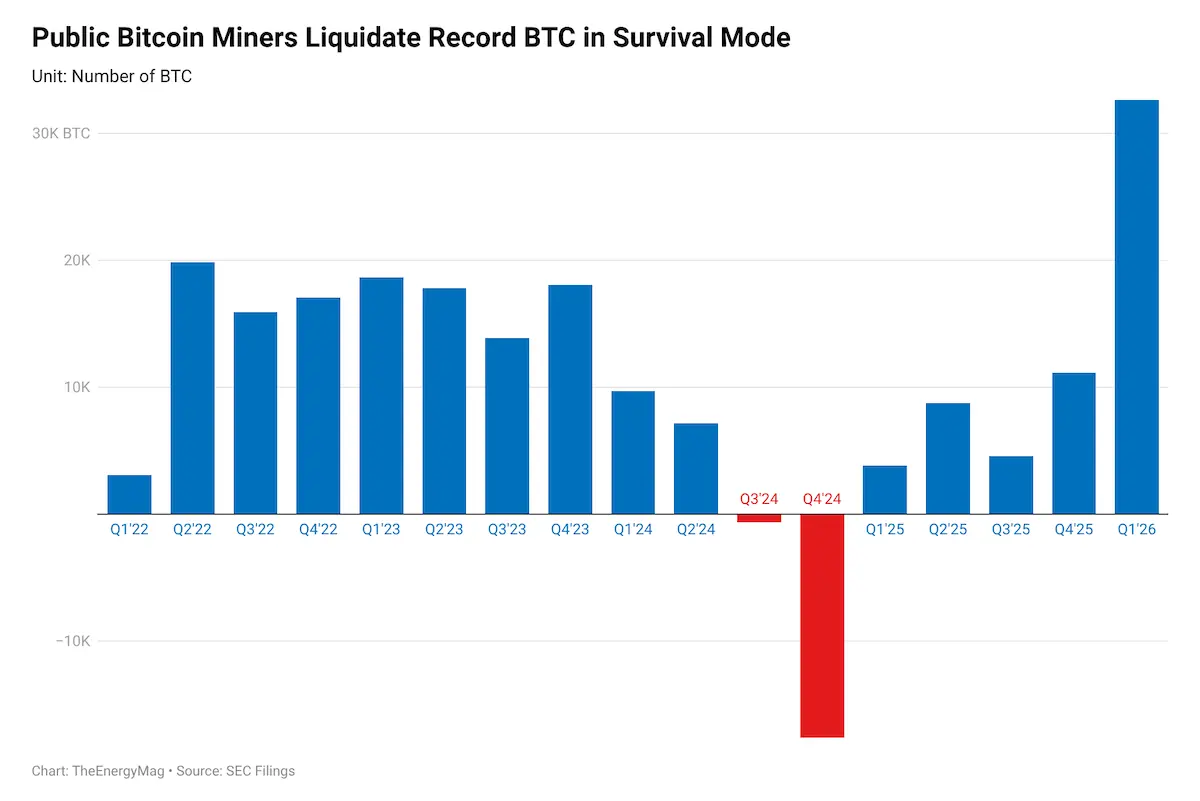
Here is where a single corporate action becomes an industry-wide signal. Hyperscale is far from alone. According to data reported by The Block, publicly listed Bitcoin miners sold more than 32,000 BTC collectively in Q1 2026 alone, a figure that already exceeds total miner sales for the entire previous year. A substantial share of those proceeds has been directed toward exactly what Hyperscale is building: AI and high-performance computing infrastructure.
From Bitcoin Treasury to AI Capital
Hyperscale Data Bitcoin holdings, July, August 2026
1,2009006003001,0321,0871,106959961275 BTC14 Jul19 Jul28 Jul2 Aug9 Aug14 AugStrategic shiftHyperscale reduced its Bitcoin holdings by roughly 75% from the late-July peak as capital was redirected toward debt reduction and AI infrastructure.Source: Hyperscale Data company disclosures, 2026
The economics driving this migration are concrete. Bitcoin mining has become progressively less profitable and more competitive, particularly after the April 2024 halving reduced block rewards from 6.25 BTC to 3.125 BTC. Meanwhile, demand for GPU and HPC compute capacity to power AI workloads has surged, offering margins that dwarf what mining produces at current difficulty levels. Miners already own exactly what AI infrastructure requires: large-footprint facilities, access to bulk electricity, and expertise managing dense hardware deployments. Repurposing those assets from bitcoin extraction to AI compute is, for many operators, both a survival calculation and a growth bet. The bitcoin accumulated over years of mining becomes the seed capital for that transformation.
The Bigger Picture
Hyperscale’s sale is a small transaction that illuminates a large structural shift. It shows how bitcoin, for a growing number of companies, is moving from end to means: no longer only a treasury asset to be guarded, but a financial instrument to be deployed in service of building the next layer of infrastructure. That next layer, for an increasing share of former pure-play miners, runs on artificial intelligence rather than proof-of-work.
There are two lessons worth drawing. First, bitcoin’s liquidity and institutional recognition have matured to the point where it can function as genuine industrial capital, not just a speculative reserve. A company can sell hundreds of millions of dollars’ worth with manageable market impact and route the proceeds into physical infrastructure. Second, the convergence between crypto and AI is no longer a conference talking point. It’s showing up in SEC filings, balance sheets, and construction contracts for data centers in Michigan. Companies that learn to bridge both sectors, using one to finance the other, are positioning themselves for a decade defined by energy-hungry compute. Selling a few hundred bitcoin, seen through that lens, is not a retreat from the asset class. It’s a calculated wager on where the next cycle of industrial value creation is heading, and the fact that miners across the sector are placing similar bets tells you something about the direction of travel.