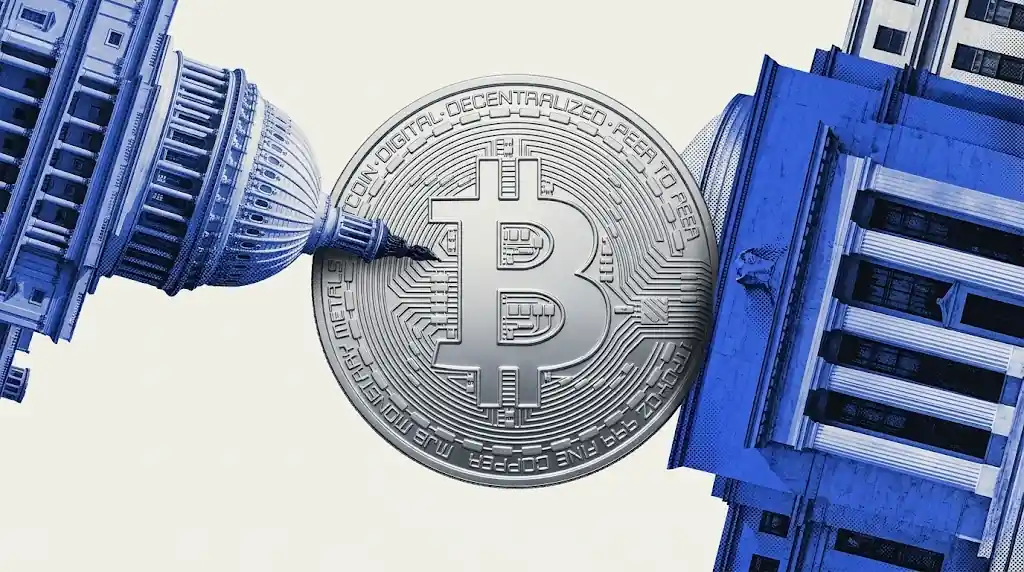


Friday was the kind of day that tests crypto investors' nerves on multiple fronts at once. On one side, Bitcoin options contracts worth a notional $6.44 billion expired, one of the largest expiry events of the year, according to data from Deribit. On the other, Bitcoin, which had briefly cleared $80,000 for the first time in months in the days prior, lost momentum and slipped back into the $77,500-$79,000 range. The real driver, though, wasn't the technical expiry. It was something arriving from Wyoming.

Friday's session is a useful lens for understanding how different forces interact to move Bitcoin's price, and more critically, for separating genuine signal from background noise. Beneath the alarming headlines about “billions expiring” lies a more nuanced picture, where interest rate expectations and sustained institutional demand carry far more weight than any single derivatives event. Let's break it down.
What Happened With the Options Expiry
Start with the technical event. Options are financial contracts granting the right to buy or sell an asset at a set price before a specific date. When large clusters of these contracts expire simultaneously, traders adjust their positions, and that repositioning can generate short-term volatility. Friday's expiry involved roughly 81,700 Bitcoin contracts on the sector's dominant venue, Deribit.
A key clarification is needed before the numbers become misleading. The $6.44 billion figure is a notional value, meaning the theoretical aggregate value of all the contracts, not actual cash changing hands. More telling is the historical record: even larger expiries in previous cycles have produced muted price reactions. The “max pain” level, the theoretical price at which the greatest number of contracts would expire worthless, sat well below the prevailing market price on Friday. Max pain is not a reliable predictor of where Bitcoin will trade, and that limitation is especially pronounced when stronger macro forces are already in play. One of those forces delivered the real shock.
The real driver: Jackson Hole and the Federal Reserve
The session’s primary catalyst came from an event that financial markets treat with near-religious attention: the Jackson Hole Economic Symposium. The Federal Reserve’s new chair delivered his first major address as head of the institution, and the tone was more hawkish than most participants had anticipated. He framed the fight against inflation as an unconditional priority, reaffirming the 2% target as a firm commitment and stressing that price levels remain unacceptably high.
Markets responded by repricing rate expectations fast. According to CME FedWatch data, the probability of a September rate hike jumped to around 55.7%, from roughly 35.4% the previous day. The transmission to Bitcoin is direct: higher rates make conventional safe-haven assets such as Treasuries more attractive, pulling capital away from higher-risk positions in crypto. The resulting profit-taking was, by any standard reading, a healthy consolidation after the sharp rally we examined when analyzing the run-up and its subsequent corrections.
Structural support: institutional demand holds firm
This is where the picture becomes more nuanced. Even as spot prices faced pressure from both the technical expiry and the macro headwind, a powerful countercurrent was building beneath the surface: institutional buying. Spot Bitcoin ETFs, the regulated vehicles that give banks and traditional asset managers direct exposure to the cryptocurrency, kept attracting capital throughout the period.
Per Farside Investors data, U.S. spot Bitcoin ETFs recorded nearly $2B in inflows during the prior week, their strongest weekly performance in roughly ten months, pushing the August monthly total above $3B. That figure tells a different story from the headline price drop. It suggests that beyond the short-term swings driven by speculation and macro repricing, the long-term conviction of institutional allocators remains intact. Farside Investors tracks these flows as one of the clearest real-time indicators of baseline demand, distinguishing capital from leveraged traders from that arriving through regulated products.
 Cryptarbitrage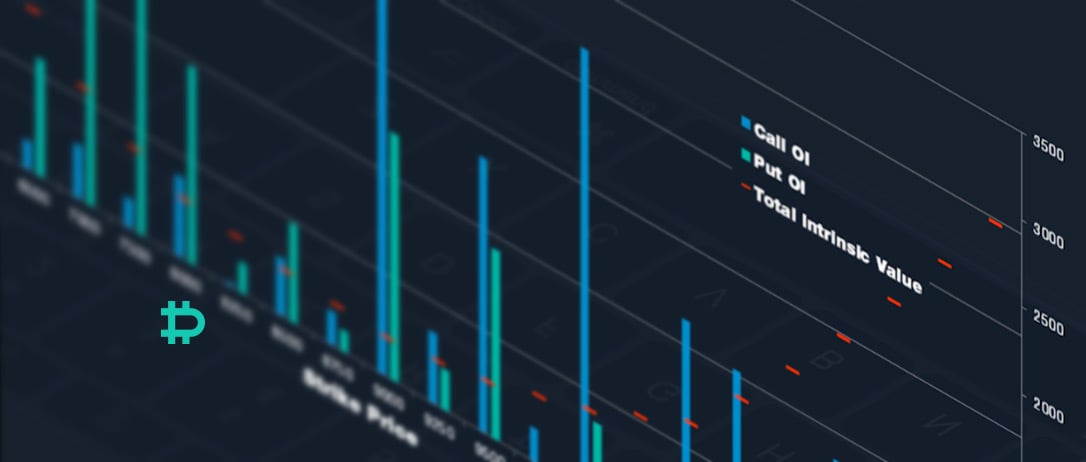
The bigger picture
Friday’s session is a compact case study in how Bitcoin’s market behaves at its current stage of maturity. No single factor dictates price anymore. What we see instead is a layered interaction: the technical mechanics of derivatives expiries, the outsized influence of central bank policy from institutions like the Fed, and the steady undercurrent of institutional demand. Reading Bitcoin’s price today means being able to parse all three layers simultaneously.
The session’s clearest lesson is separating noise from signal. The options expiry grabbed headlines because of its $6.44B size, per Deribit Metrics, yet its actual price impact was modest. The genuine signal came from the shift in Fed rate expectations tracked by CME FedWatch. And the deepest signal, probably the most consequential for longer time horizons, is that institutional inflows continued even on a down day. In a market where sentiment can swing on a single headline, the ability to identify which forces are actually driving price is what separates informed analysis from pure reaction. Bitcoin remains volatile over short windows, but its moving parts, examined with patience, are growing more structured by the month.