

Time has emerged as the decisive variable in cybersecurity for banks and financial institutions, as AI-powered threats accelerate faster than traditional defense models can respond. Roberto Marzocca, Head of Cybersecurity at Kirey Group, a digital and technology consulting firm, made this case in a recent interview with Soldi Online, arguing that the speed of modern attacks now dictates the entire logic of financial sector defense.
Why Time Defines Cyber Resilience in Finance
The scale of hacks targeting financial operators has grown steadily, and disorientation remains a common response. Organizations know they face threats but are often unsure how to respond effectively. Marzocca frames the answer around a single variable: how fast you act before exposure becomes a breach.
“Time is now a fundamental factor in defending the financial and banking sector against cyberattacks. Given the rapid growth of AI technologies being deployed, which can serve as valid defensive tools, the digitalization of banking and financial activities leaves no room for slow reactions.”
The goal, Marzocca explains, is not simply to identify vulnerabilities. Every organization has weak points. The real challenge is intervening before those weak points become entry vectors for attackers.
“We need to change the approach we have followed until now, aiming not only to understand vulnerabilities but also to act promptly, before they turn into incidents. The timelines imposed by digitalization are extremely tight.”
The underlying principle is constant vigilance. Organizations must reduce the window during which they remain exposed to an undetected risk or an uncorrected weakness. Even a few hours of unaddressed exposure can be enough for a sophisticated attacker to move laterally through a system.
DORA and the AI Act: Reshaping Financial Cybersecurity in Europe
Regulatory pressure in Europe has intensified sharply. The Digital Operational Resilience Act (DORA) and the EU AI Act together provide a legal framework that pushes financial firms to build genuine operational resilience, not just compliance checklists. The AI Act, specifically, sets rules for the development and use of artificial intelligence systems, defining boundaries around aggressive or harmful applications.
Yet Marzocca cautions against viewing regulation as a sufficient answer. Adding formal compliance layers, he argues, does not automatically translate into meaningful protection:
“DORA and the AI Act do not simply ask firms to introduce additional controls. The regulations emphasize making processes, responsibilities, third-party management, and response capabilities more robust and demonstrable, through a continuous management process aimed at reducing the exposure window as much as possible.”
The expansion of AI as both an offensive and defensive tool has drawn the attention of supervisory authorities across the continent. Several companies are already active in AI-driven cyber defense, but regulators are watching the dual-use risk closely.
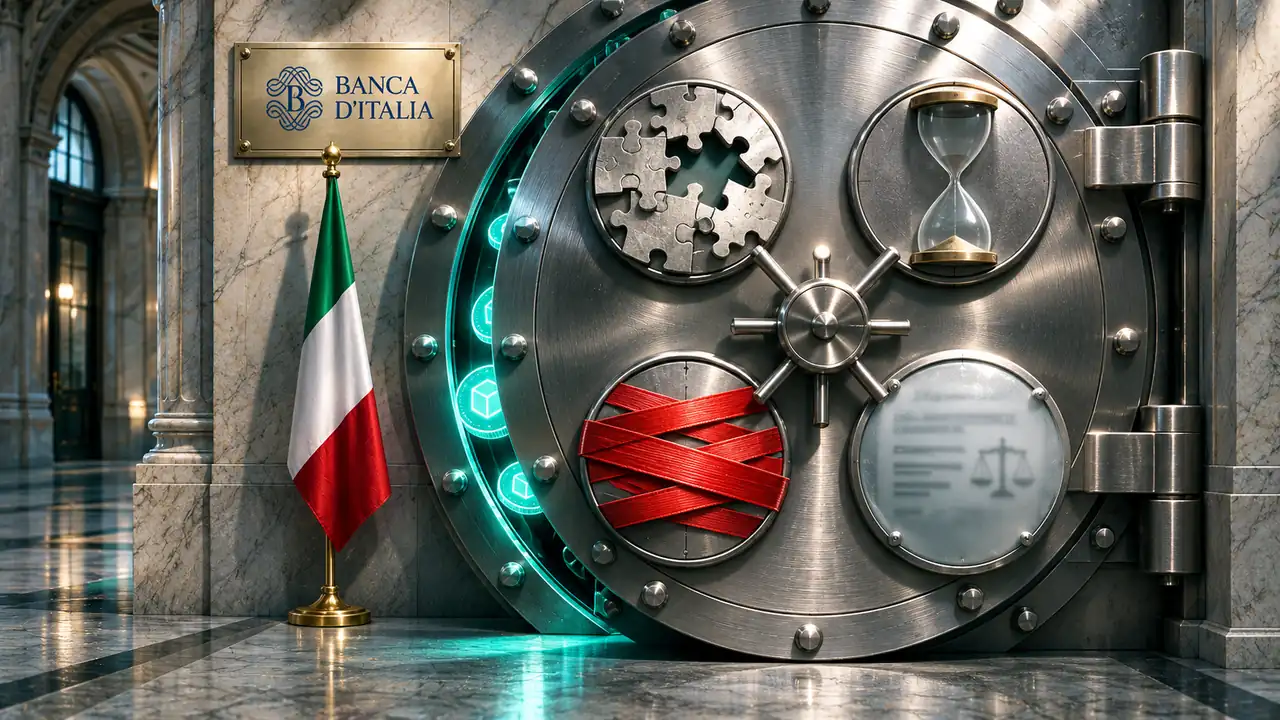
“Supervisory authorities, the ECB foremost among them, raised the alarm and sent a warning to large banks in recent months. The Bank of Italy followed, asking smaller institutions and other financial operators to put precise response plans in place.”
The Human Element Remains Central to Financial Cyber Defense
Marzocca is clear that cyber resilience in the financial sector goes well beyond service continuity, which tends to be the most visible concern. Data protection and client trust are equally at stake, and a breach affecting either can cause damage that outlasts any technical outage.
Criminals now have access to increasingly sophisticated tools. That reality makes the human dimension of defense more important, not less. Training and awareness have become critical levers alongside technical expertise and up-to-date infrastructure. No single layer of protection is enough on its own.
What connects all of these elements is speed. The organizations that survive and recover from cyberattacks are not necessarily those with the largest budgets. They are the ones that detect exposure early, act before vulnerabilities become incidents, and maintain the operational cadence that regulators like the ECB and the FCA now actively monitor. Time, as Marzocca puts it, is the defense that beats every other defense when used well.