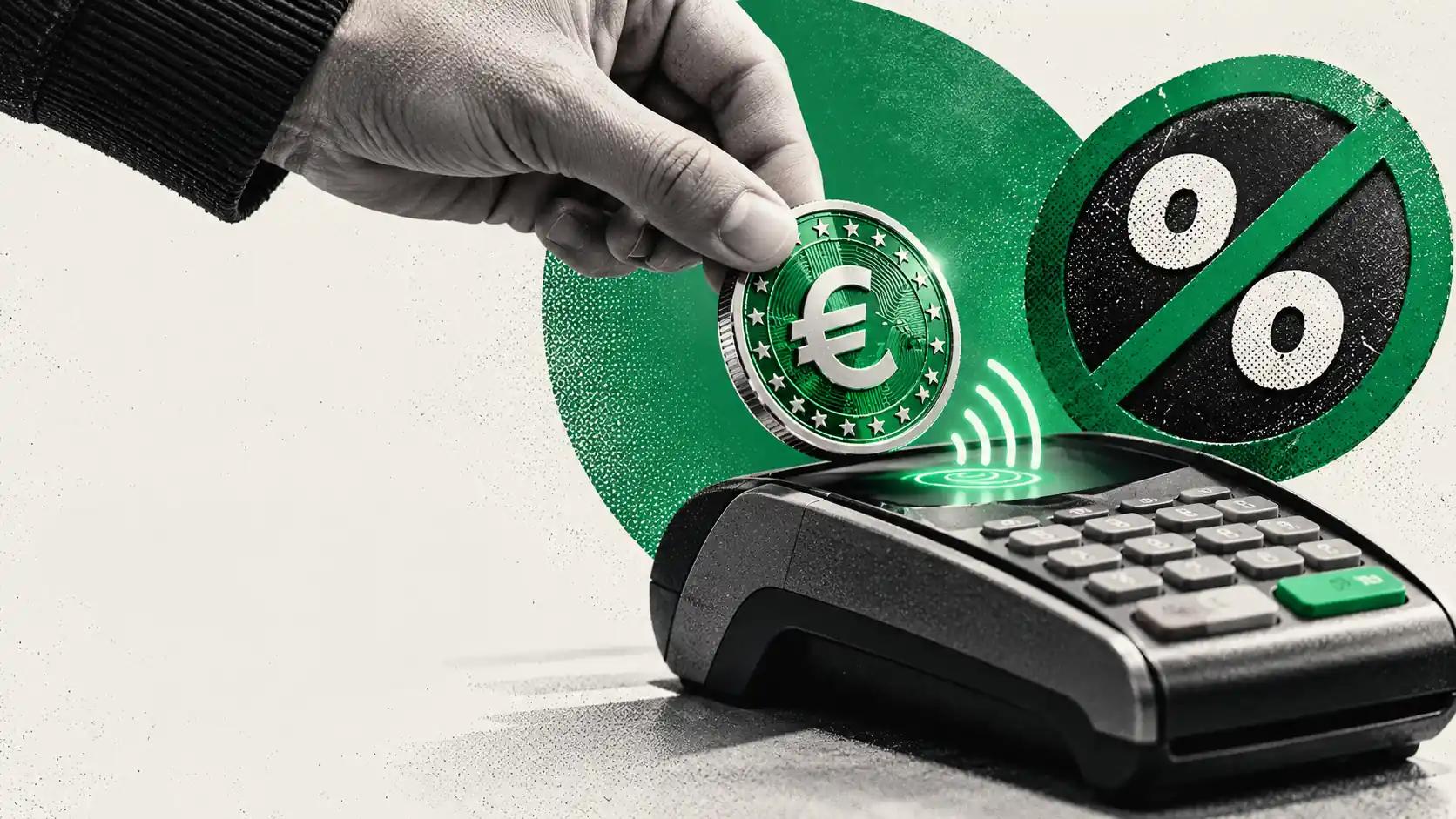


The digital euro is moving closer to a real checkout test. The Eurosystem is seeking online retailers and mobile commerce operators to verify how digital euro payments would work in practice. Selected merchants will integrate a new payment acceptance method and help identify operational issues before any large-scale rollout.
Applications close at 5:00 PM CET on October 27, 2026. The European Central Bank published the original call on September 15, with Banca d'Italia flagging the initiative on September 23. The focus of this particular round: selecting merchants for a pilot program scheduled to launch in the second half of 2027.
A Dedicated Checkout for Real Purchases
The pilot will use a near-final beta version of the digital euro, closely aligned with the technical and functional specifications outlined in the EU legislative proposal, but without legal tender status. The program will involve staff from participating central banks, selected intermediaries, and merchants. This call specifically targets remote payments via websites and mobile applications.
Participating merchants must set up a dedicated or adapted checkout accessible only to pilot users. Real goods and services will be purchased within a controlled environment. That distinction matters: observing actual transactions helps identify operational friction, but a closed user group does not predict how the broader retail customer base would respond.
Eligibility Requirements and Application Process
According to the ECB merchant call document, applicants must be legally established in the European Union and capable of serving customers in at least two pilot locations. An active e-commerce website or m-commerce application and integration-ready infrastructure are also required. Simply operating an online store does not guarantee entry to the selection process.
Applications must be submitted in English, using the questionnaire in Annex 1 and the signed declaration in Annex 2. The ECB asks that the questionnaire be kept in its original Excel format and sent to digitaleuro-pilotmerchant@ecb.europa.eu. Meeting the stated requirements moves an applicant into the comparative evaluation stage, but it does not secure admission.
The Pilot in Three Figures
Sources: ECB and Banca d'Italia documentation, consulted September 28, 2026.
- October 27, 2026, 5:00 PM CET: deadline for merchant applications.
- Second half of 2027: scheduled pilot launch, with a planned 12-month duration.
- 7 Italian PSPs out of 36: intermediaries already selected across the euro area, separate from the merchants sought in this call.
Seven Italian PSPs Already on Board
On July 14, Banca d'Italia announced that Banca Monte dei Paschi di Siena, Banca Sella, Isybank, Nexi Payments, Numia, Poste Italiane, and UniCredit had been selected. These seven Italian operators are among the 36 payment service providers chosen across the euro area. That earlier selection covered intermediaries. The September call now targets the merchants who will use their services.
Admitted merchants will need to sign an agreement with the ECB and establish or update a contractual relationship with a pilot PSP to handle payment acceptance. The ECB FAQ clarifies that having an existing relationship with one of these operators is not a prerequisite for applying. Any pairing will still need to fit the requirements of the experiment.
Participation Comes With Real Costs
Participation is voluntary and carries no financial compensation beyond the revenue from goods and services sold during the pilot. Merchants bear their own participation costs without reimbursement. On the other side, they will not pay commissions to PSPs for pilot payment services. The distinction is worth spelling out: zero commissions on those specific services does not eliminate the cost of integrating and running the test.
Merchants are also expected to provide structured feedback on integration, technical issues, support quality, and the overall payment experience. The evaluation framework includes observations before, during, and after the pilot period. This connects to a broader debate in Europe around merchant acceptance costs, though the pilot's conditions do not define the fee structure of any eventual permanent system.
What This Pilot Actually Measures
The real value of this phase lies in measuring the operational effort required to bring the digital euro into a live commercial environment. Integration timelines, clarity of onboarding procedures, and the quality of technical support may prove as decisive for adoption as the monetary characteristics of the currency itself. The pilot can deliver concrete data on these variables, even if a closed test group cannot stand in for the full retail market.
The political and institutional decision remains separate. The ECB will only decide on issuance after relevant legislation has been adopted. As the ongoing debate over the digital euro's role in payments and its relationship with bank deposits shows, building operational readiness means confronting questions that are still unresolved. For anyone tracking this project, the next meaningful signal will come from what the test reveals about daily usability, not from projecting an outcome before results are in.