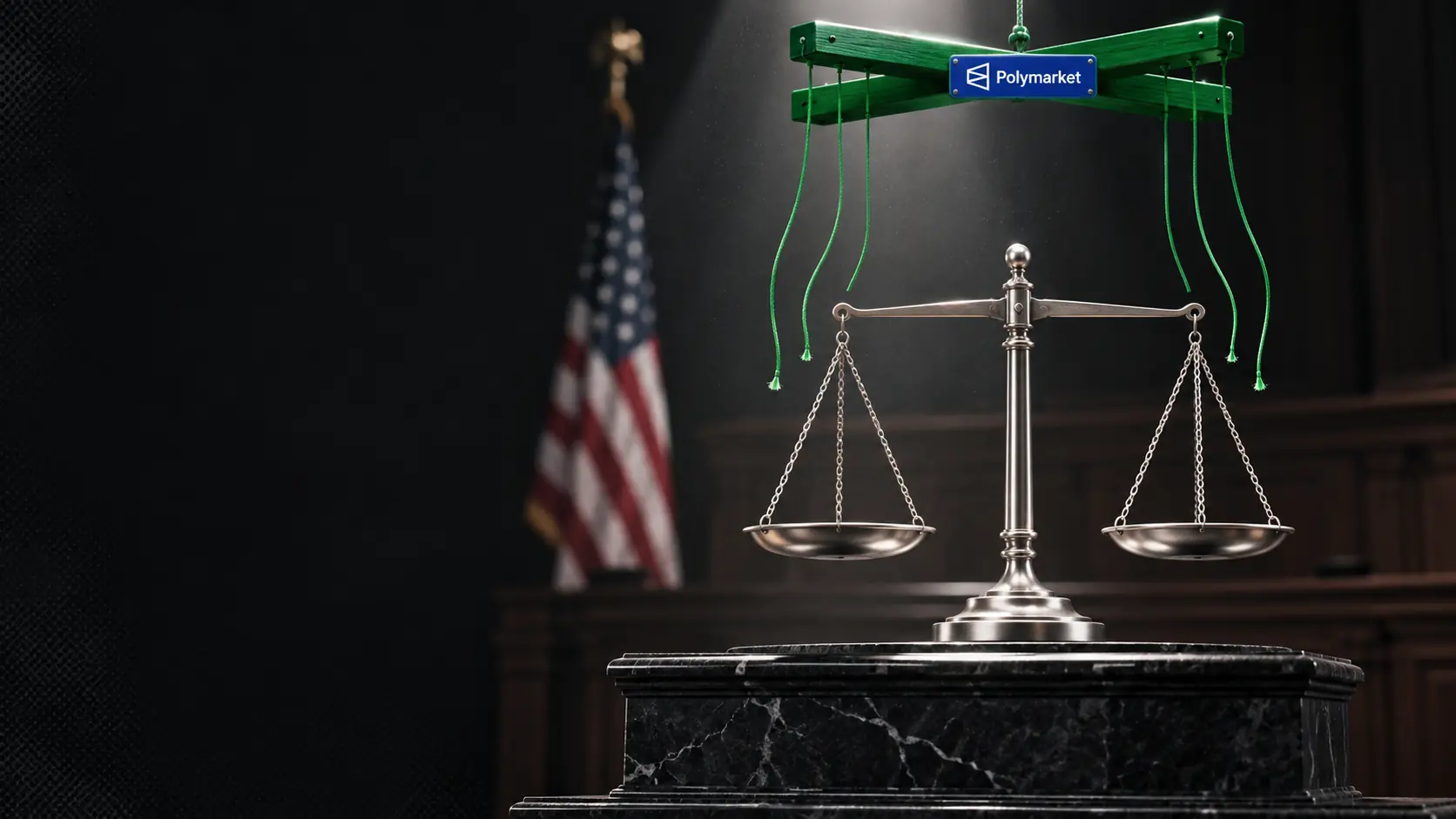


While markets watch the Federal Reserve, a quieter but equally consequential battle is playing out in Washington. The fight is not between crypto and regulators. It is between two levels of American government: the federal level, which wants a single, light-touch law, and the states, which fear being stripped of enforcement power precisely when fraud is surging.
The loudest voice for the states belongs to one of the most feared prosecutors in America: New York Attorney General Letitia James, who delivered a blistering attack on the CLARITY Act before a Senate subcommittee. Her argument is as straightforward as it is uncomfortable: this bill would pull cops off the beat.
What James Told the Senate
In written testimony submitted to the Senate's Permanent Subcommittee on Investigations, James argued that the CLARITY Act, as currently drafted, would pre-empt state laws that currently allow local prosecutors to investigate and pursue crypto-related crimes. Her message is unambiguous: the bill would shrink the number of enforcers watching the sector at exactly the moment when losses are hitting record highs.
The figures her office cited are striking. According to the New York Attorney General's office, crypto scams account for 10% of all financial fraud cases and, more alarmingly, 50% of all dollar losses from fraud. Half the money Americans lose to financial schemes, her office argues, now flows through cryptocurrency. Dismantling local enforcement in this environment, she warns, would be a historic mistake.
The Paradox of the Moment
What makes James's position so explosive is the timing. Her Senate testimony arrived just after the federal Department of Justice effectively disbanded its dedicated unit for criminal enforcement against crypto fraud. The federal level is retreating. And yet the bill under debate would simultaneously strip power from the state level too.
The result, the AG warns, would be a vacuum: nobody genuinely watching the sector. That is why her intervention carries more weight than a technical objection. She is not saying “regulate differently.” She is saying that the combination of federal retreat and federal pre-emption of state laws would leave victims with nowhere to turn.
What's at Stake: Who Guards the Sector
To understand why this fight matters, consider the structure of American enforcement power. State attorneys general, with New York's office historically at the forefront, have been the real operational arm against financial abuse, often faster and more aggressive than federal agencies. This dispute is not ideological. It is about who gets to hold the gun.
Two Opposing Views of the Same Bill
Why the federal government and the states are clashing over the CLARITY Act
- The pro-bill camp: a single, clear federal rule eliminates the chaos of 50 different state regimes and gives businesses legal certainty.
- The states’ camp: a weak federal rule that overrides local laws strips prosecutors of the tools they need to pursue fraud cases.
Both sides have a genuine point, and that honesty is worth stating plainly. The industry is right that a patchwork of fifty different state rules is a compliance nightmare for legitimate operators. James is right that a weak federal law, one that pre-empts state frameworks without replacing them with equally effective controls, creates a dangerous gap. The real problem is not choosing between federal and state authority. It's avoiding the worst of both worlds: light rules at the top and tied hands at the bottom.
I'm calling on Congress to implement stronger regulations on cryptocurrency platforms to protect consumers and investors from scams.
— NY AG James (@NewYorkStateAG) July 27, 2026
Without safeguards, these scams cost people massive financial losses.
We must act now to protect investors, our economy, and national security.
Why This Matters Beyond the U.S.
This dispute is not purely an American affair, and that's what makes it instructive for observers in Brussels or London. The underlying dilemma is universal: how do you write a rule that delivers legal certainty to businesses without disarming the people responsible for enforcing it?
Europe, through MiCA, chose the opposite path from the one James fears. The EU framework is a single, detailed rulebook applied by national authorities that retain their own enforcement powers. It is a heavier model, frequently criticized by industry for compliance costs, but one that at least does not create the enforcement vacuum the New York AG is warning about. The U.S. battle shows the price of legislating too late: when a law arrives after interests have already entrenched, every provision becomes a negotiation between power centers rather than a clean policy choice.
The Bigger Picture
Beyond the specific fate of the CLARITY Act, this episode reveals something that will define crypto regulation for the rest of the decade. The era when the central question was “should crypto be regulated?” is over. The answer is yes, everywhere. The new question, far harder, is “who regulates it, and with what powers?”
It is a bureaucratic battle, without the drama of a price spike, but it will determine whether the sector matures into a supervised industry or remains a frontier market with a legitimacy sign above the door. The sharpest front, as is often the case, is not between crypto advocates and crypto skeptics. It is between two parts of the same government competing for the right to oversee it. Readers wanting to understand the full U.S. regulatory picture can start with our guide on the CLARITY Act. Primary documents remain available on the official website of the New York Attorney General's office.