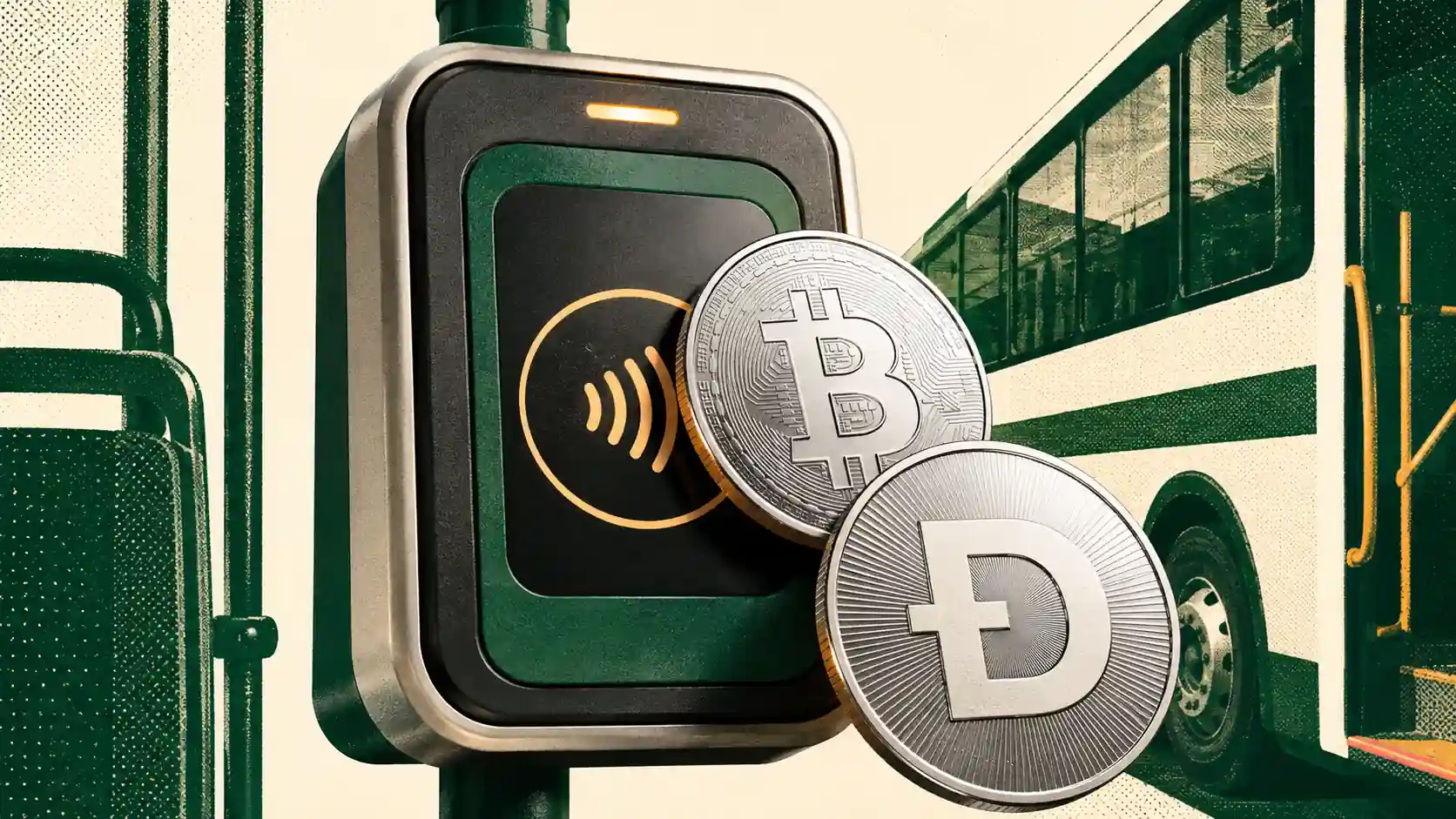


A single figure, certified by the Banca d'Italia in its August 2026 report, captures just how dramatically Italian payment habits have changed: in 2025, 88% of all card payments at physical terminals were contactless, completed with a tap of a card or phone rather than a physical insertion. Just four years earlier, that share was barely above 50%, according to the same Banca d'Italia data. That kind of shift rarely happens in payments. When it does, it tends to reshape the entire competitive landscape for financial technology, including stablecoins and digital currencies.
This is not, strictly speaking, a crypto story. But it is a story that every crypto and Web3 observer should read carefully, because it defines the battlefield on which stablecoins, the digital euro, and blockchain-based payment rails will compete over the next decade.
TL;DR: According to Banca d'Italia data published in August 2026, 88% of Italian POS card payments are now contactless and 24% are made via mobile devices, with total cashless transactions exceeding 16 billion annually. The cultural barrier to digital payment adoption has already fallen; the remaining challenge for stablecoins and the digital euro is backend infrastructure, not user behavior.
How Italians Pay in 2025
Snapshot from Banca d'Italia. Source: Banca d'Italia, 2026
- The leap: over 16 billion cashless transactions per year, more than double the 2018 figure.
- The gesture: 88% of POS payments are contactless; 24% are already made via mobile devices.
- The counterweight: cash remains the single most-used payment method by transaction count in physical stores.
Italy Goes Digital, Fast
The Banca d'Italia data paints a clear picture. Between 2018 and 2025, the number of non-cash payments in Italy more than doubled, crossing the 16 billion annual transaction threshold. The pandemic provided the initial spark, pushing millions of consumers toward touch-free payment options, but the shift proved durable long after restrictions lifted.
Cards led the charge. According to the Banca d'Italia report, cards now account for roughly 75% of all digital payment operations in Italy, up from about 63% just a few years ago. Beyond the contactless headline figure, the mobile payment trend stands out: nearly one in four in-store transactions in 2025 was completed via a smartphone, smartwatch, or wearable device, per Banca d'Italia data. For millions of Italians, the phone has functionally replaced the wallet.
 Banca d'Italia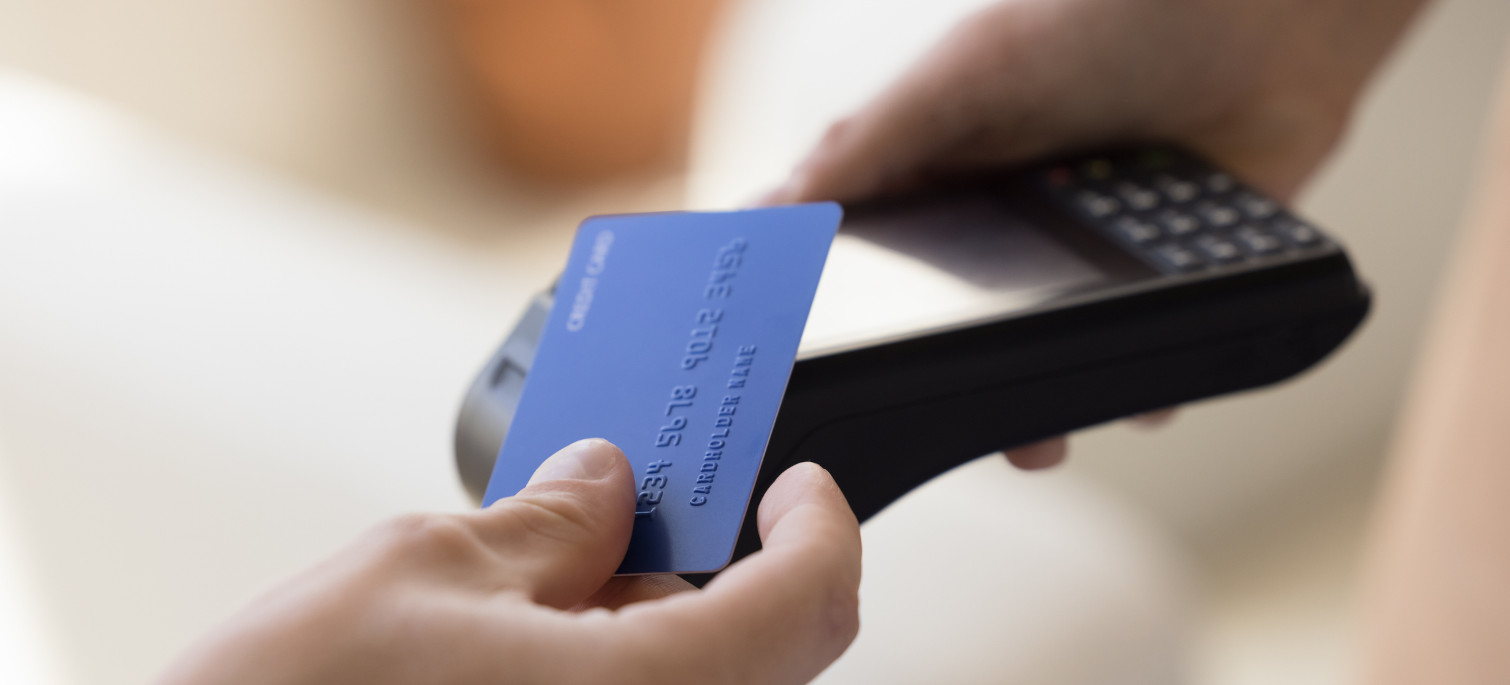
Cash Is Not Dead (Yet)
The Banca d'Italia itself urges caution against overreading the data. By transaction count at physical points of sale, cash remains the single most frequently used payment instrument in Italy. The digital revolution is real and fast-moving, but it coexists with a deeply rooted cash culture, particularly for small everyday purchases.
That coexistence matters for anyone building financial technology for Italian or European consumers. The honest picture is a transition underway, not a changeover already complete. Regional differences persist: the North leads on electronic payment adoption, though the South is closing the gap at the fastest rate nationally, according to the same Banca d'Italia report. Italy is a payments construction site where old and new are actively being mixed.
Why This Matters for Crypto and Stablecoins
Here's where the data becomes genuinely relevant for the crypto and Web3 space. The most important finding is not the 88% contactless figure itself. It's what that figure signals about cultural readiness. Millions of Italians have already learned to tap a phone against a reader to pay, a gesture that was exotic to most consumers just five years ago. That cultural barrier, historically the hardest obstacle for any payment innovation to clear, has already fallen.
For stablecoins and the digital euro, this reframes the challenge entirely. The question is no longer whether consumers will accept a new payment gesture. They already have. The real competition is in the backend: the invisible technological infrastructure that processes each transaction. Success will depend on whether blockchain-based rails can demonstrably offer lower costs, faster settlement, or new programmable functionality, while integrating invisibly into the apps people already use. This is exactly the logic behind approaches like Italy's patent for crypto-based mobility payments, where the technology operates entirely behind the scenes. The user doesn't need to know they're interacting with a blockchain. They just need to find the payment more convenient.
Italy's Digital Payment Leap
Data: Banca d'Italia, 2025
The Bigger Picture
The Banca d'Italia snapshot reveals a country far deeper into its digital payment transition than the old stereotype of cash-loving Italy would suggest. That maturity in both infrastructure and consumer habit is the ground on which the next wave of financial innovation, including digital money in its various forms, will need to prove itself.
The read is two-sided. On one hand, the path to mass adoption for new forms of digital payment is, in a real sense, already paved: the habit of paying cashlessly with a smartphone is now embedded across broad segments of the Italian population. For stablecoins and the digital euro, the challenge won't be teaching users a new behavior. It'll be demonstrating superior technology underneath the surface. On the other hand, cash's persistence is a reminder that transitions take time and carry resistance. The disappearance of physical money, if it happens at all, remains years away. The future of payments is being built right now, in a dynamic equilibrium between entrenched habit and genuine innovation. Banca d'Italia's August 2026 figures suggest the Italian consumer is ready for that future, possibly more ready than policymakers and payment startups yet appreciate. For MiCA-regulated stablecoin issuers and digital euro advocates at the ECB, that readiness is both an opportunity and a pressure to deliver.