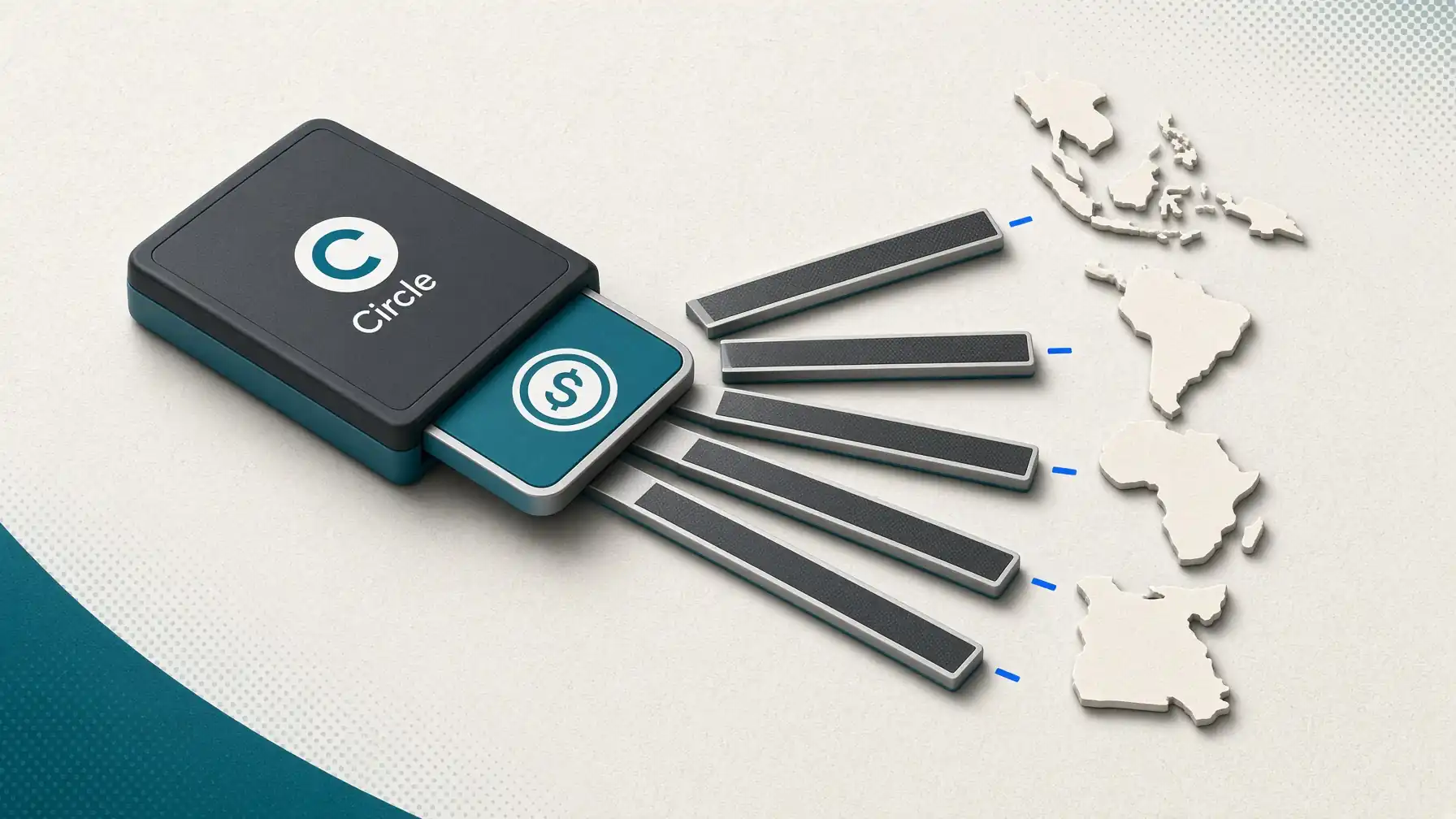


The biggest crypto story of the week didn't come from an exchange or a blockchain. It came from a stage in London where Samsung was unveiling new phones. Samsung announced that stablecoins are coming to Samsung Wallet, the app that hundreds of millions of people already use to pay, board planes, and unlock hotel rooms.
This is the kind of announcement that could drive crypto adoption further than a thousand price rallies. But that's precisely why it deserves a clear-eyed read, because the gap between the potential and the current reality remains considerable.
What Samsung Actually Announced at Galaxy Unpacked
At Galaxy Unpacked on July 22, Samsung confirmed that Samsung Wallet would move beyond cash and savings to support new forms of digital value, including stablecoins. On stage, a product manager showed a demo screen featuring a USDC balance (Circle's regulated stablecoin) sitting alongside payment cards and boarding passes already in the app. The whole thing runs on Samsung Knox, the built-in security layer embedded across Samsung devices.
The move came alongside the launch of the Galaxy Card, Samsung's first proprietary credit card, issued with Barclays on the Visa network. The signal is clear: Samsung wants to turn Wallet from a payments app into a full financial hub, with crypto as one component among several.
Why This Could Be a Genuine Shift for Crypto Adoption
Here's what separates this news from any other crypto product launch. Until now, using a stablecoin meant running an obstacle course: download a dedicated app, open an account on an unfamiliar platform, pass identity checks, absorb a new vocabulary. Each step was a filter that kept out the vast majority of ordinary people.
Putting stablecoins inside a payments app that's already installed removes that course entirely. There's nothing to download, no new world to enter: crypto becomes just another icon next to the credit card. It's the same principle that made contactless payments universal. Contactless didn't win because people wanted the technology; it won because it was already there, in the phone in their hand. When friction disappears, adoption stops being a choice and becomes a habit.
Why the Phone Changes Everything
The old path versus the new one
- Before: download an app, open an account, pass identity checks, learn the jargon, then maybe use a stablecoin.
- After: open the app you already have, and the stablecoin is an icon next to your card.
The Reality Check: What Samsung Did Not Say
This is the part almost nobody is covering, and it matters most. The announcement is real; the details are almost entirely absent. Samsung gave no launch date, offered no official confirmation of which stablecoin it will use beyond the USDC demo, specified no blockchain, no custody model, and no list of countries. Samsung hasn't even clarified what the feature will actually let users do: hold a balance only, or also send, pay, and convert.
There's also a number circulating everywhere that needs correcting, because it's misleading. Numerous headlines claim 800 million users are ready to use stablecoins through Samsung. That figure is Samsung's target for Galaxy AI-enabled devices by the end of 2026, per Samsung's own investor communications, not the count of Wallet users and certainly not the count of future stablecoin users. Conflating the two massively inflates the near-term opportunity. A more grounded benchmark: Samsung's 2025 Coinbase integration reached roughly 75 million users in the United States. From there, local regulation, the GENIUS Act in the US and MiCA in Europe, will determine where and how the feature can actually go live.
The Strategic Play Behind the Announcement
Even as an intention rather than a shipped product, the direction is unmistakable. Samsung has been building a position in crypto for some time. The company holds a partnership with Coinbase, acquired a stake alongside other subsidiaries in the operator of South Korea's largest exchange, and is among the more than 140 companies participating in a dollar stablecoin project backed by major payments names.
The real target, though, is a competitor Samsung didn't name: Apple. By bringing stablecoins natively into its Wallet, Samsung positions itself as one of the first major handset makers to do so, putting pressure on a rival that has remained cautious on crypto so far. This is a battle being fought not between crypto protocols and exchanges, but between the two operating systems that control the smartphones of the planet.
 Jose Antonio Lanz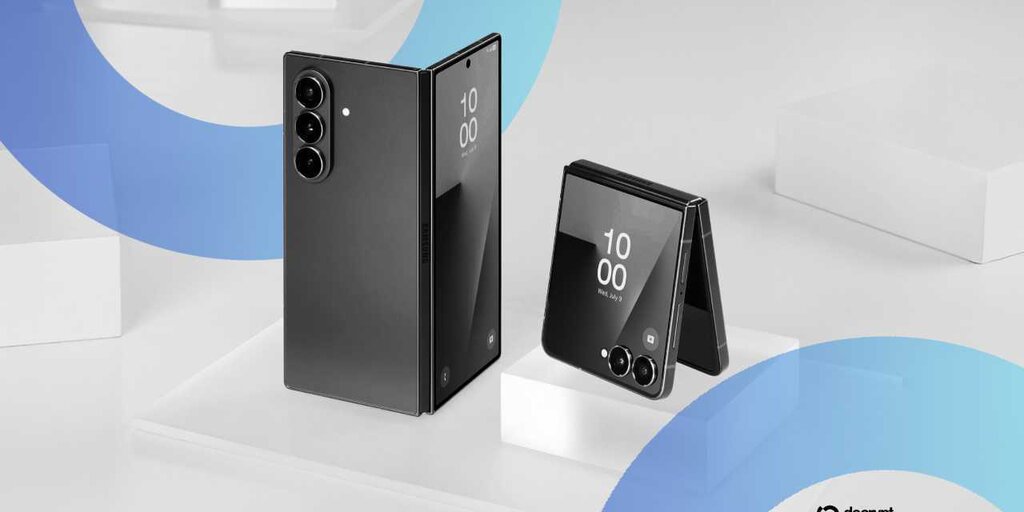
The Bigger Picture
Whatever the timeline, this announcement marks a phase transition. Crypto's real goal was never to persuade people to enter its world. It was always to disappear into the world people already inhabit. When a stablecoin becomes an icon next to the credit card, most users won't know they're touching a blockchain, and they won't care: they'll just want the payment to work.
It's another confirmation of the pattern running through 2026: crypto wins mass adoption precisely when it becomes invisible, a quiet infrastructure inside familiar products. Samsung has shown where the phone in billions of pockets is heading. Now it has to prove it can actually get there. Anyone wanting to understand how these instruments work can start with our guide on how stablecoins work. Official updates remain on Samsung's channels.